


More news on this day
Across the United States, travelers are increasingly planning getaways around pottery wheels, quilting frames and culinary classrooms, as hobby-focused “creative escapes” shift from niche offerings to a fast-growing segment of the leisure market.
Get the latest news straight to your inbox!
Santa Fe Turns Classes and Workshops Into a Travel Magnet
Santa Fe, long known for its galleries and high desert light, is leaning into structured classes and workshops as a way to anchor longer, purpose-driven trips. Tourism information for the city highlights hundreds of hands-on options each year, from introductory pottery and painting sessions to photography, jewelry-making and cooking classes, with organizers reporting that visitors routinely time their stays to coincide with specific courses.
Dedicated retreat providers have emerged around this demand. Programs such as multi-day abstract painting retreats, artist residencies and small-group workshops position Santa Fe not just as a place to view art but as a destination to produce it, often bundling instruction with lodging, studio time and visits to local museums and galleries. Publicly available schedules show four-day and weeklong sessions marketed directly to travelers who want to return home with new skills as well as souvenirs.
The city’s broader cultural infrastructure reinforces the trend. Historic and contemporary art institutions, festivals and studio tours in and around Santa Fe layer on lectures, demonstrations and short courses, giving visitors ways to connect hobby learning with the region’s Indigenous, Hispanic and Anglo artistic traditions. This mix of structured learning and open-ended exploration is helping position Santa Fe as a flagship hub for hobby-led itineraries.
From Quilting Camps to Craft Cruises: A National Surge
Beyond northern New Mexico, hobby travel is expanding in scale and variety across the United States. Coverage in lifestyle and travel outlets describes quilting and crafting retreats filling camp-style venues in states such as Texas and Florida, where participants book several nights specifically to work intensively on sewing, knitting or embroidery projects. Organizers highlight the appeal of uninterrupted time, communal workrooms and tuition that includes patterns, materials and guidance from experienced instructors.
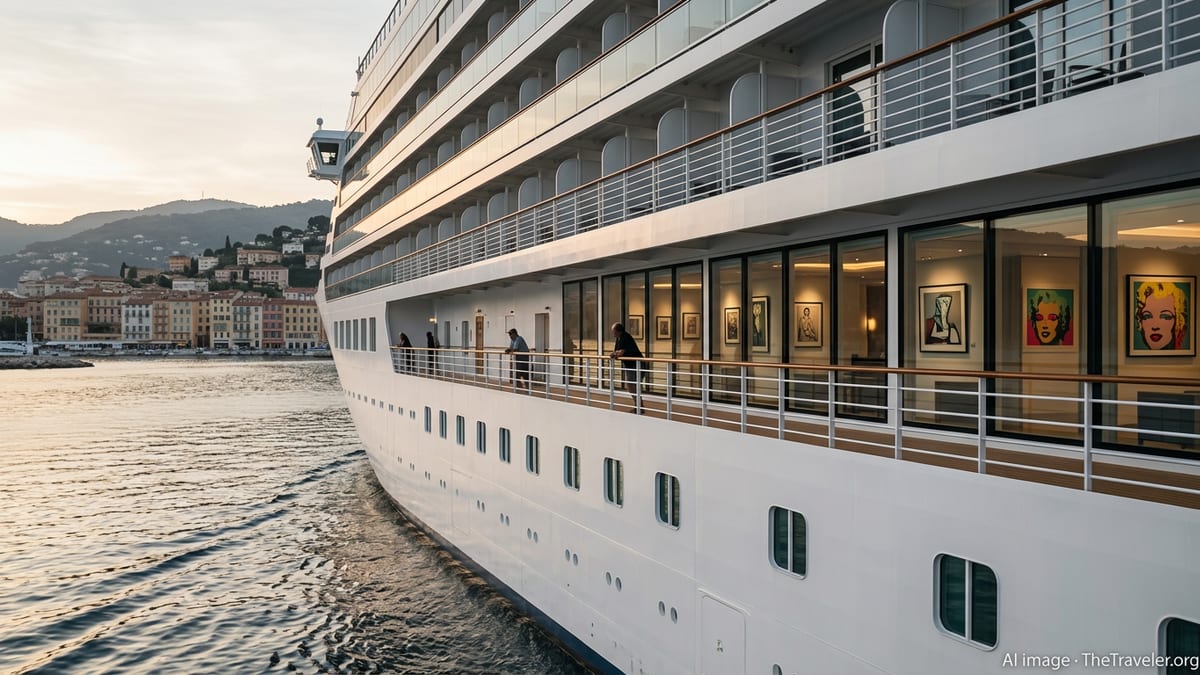
Craft-focused getaways are also moving onto the water. According to recent travel features, U.S. operators now sell multi-day “craft cruises” where passengers book not only a cabin but also a seat in dedicated classrooms for scrapbooking, card-making or mixed-media workshops while at sea. These itineraries mirror traditional themed cruises, but the central draw is hands-on creative time rather than performances or shore excursions.
The boom extends to road-based travel as well. Reports on RV and motorcoach tourism describe itineraries built around quilting festivals, regional craft shows and pop-up workshops, with caravan groups moving from one hobby event to the next. Many of these trips are marketed to long-time hobbyists who see travel as a way to deepen skills, meet peers and shop for specialized tools and fabrics that may be difficult to source at home.
Why Travelers Are Swapping Loungers for Lathes and Looms
Analysts of the retreat sector and consumer behavior point to several factors behind the rise of hobby holidays. Data from global consumer surveys show that crafting, DIY projects and other creative pursuits remain among the most popular leisure activities for middle-aged and older Americans, even as more traditional vacation habits like beach stays compete for time and money. Travel industry reports indicate that many of these same travelers now rank learning, self-expression and social connection as priorities when choosing trips.
Retreat platforms reporting on 2026 booking patterns note that roughly one-third of their guests select itineraries centered on painting, sculpture or other creative practices, suggesting that niche workshops have evolved into a mainstream category. Industry insights describe creativity-focused retreats as one of the fastest-growing segments within the wider wellness and experiential travel market, sitting alongside yoga, meditation and nature-immersion programs.
Academic research into experiential tourism and “slower” styles of travel adds context. Recent studies highlight a shift from checklist sightseeing to activities that offer immersion, personal development and a clear narrative of transformation. Hobby-based trips fit this model by providing structured progress, tangible outputs and communities of interest, all of which may be especially appealing to travelers seeking meaning and routine after years of disrupted mobility.
Santa Fe as a Case Study in Hobby-Led Cultural Tourism
Santa Fe’s example illustrates how destinations can convert existing cultural assets into hobby-focused products. Local initiatives promoting creative tourism emphasize workshops held in artists’ studios, shared maker spaces and community colleges, often in disciplines that echo the region’s heritage, including ceramics, weaving, jewelry and regional cuisine. Marketing materials stress that many classes are open to beginners, enabling visitors to engage with traditional crafts in an accessible way.
The city’s calendar is increasingly populated by multi-day events that incorporate classes into wider festivals and markets. In and around Santa Fe, art tours and markets often add demonstrations, mini-workshops and opportunities to meet makers, effectively turning a day of browsing into a partial learning experience. These formats appeal to both serious hobbyists and casual visitors who want a short introduction before committing to a full retreat.
Local operators are also experimenting with crossovers between hobbies. Some workshops combine art-making with wellness elements such as mindfulness, forest walks or gentle movement, while others pair cooking sessions with regional history lessons and market visits. By layering activities, organizers can attract travelers with different primary interests who share a desire for structured, small-group experiences.
The Business of Turning Passions Into Itineraries
The expansion of hobby holidays is reshaping how travel businesses package and price their offerings. Many retreat organizers charge a bundled fee that covers instruction, materials, accommodation and meals, positioning the experience closer to a course with lodging than a conventional hotel stay. This model can deliver higher per-guest revenue for properties in rural or shoulder-season locations, where traditional tourism demand may be muted.
Destinations that have embraced hobby travelers often highlight ancillary spending too. Participants typically purchase tools, books and locally made items related to their craft, and may extend their stays to visit museums, galleries and independent shops. Travel trade coverage suggests that organizers increasingly partner with local businesses, from fabric stores to galleries and cooking schools, to create packages that spread economic benefits across the community.
As travelers look ahead to 2027, industry observers expect the line between hobby and holiday to blur even further. With cities like Santa Fe demonstrating how classes, retreats and workshops can anchor itineraries, more U.S. destinations are likely to invest in creative infrastructure and marketing that invite visitors not only to see a place, but to make, cook, stitch or sculpt their way through it.