


More news on this day
Once a quiet cruise call known mainly to nature enthusiasts, the Dominican capital of Roseau is emerging as a pivotal stop on new Caribbean island-hopping routes that prize the journey as much as the destination.
Get the latest news straight to your inbox!
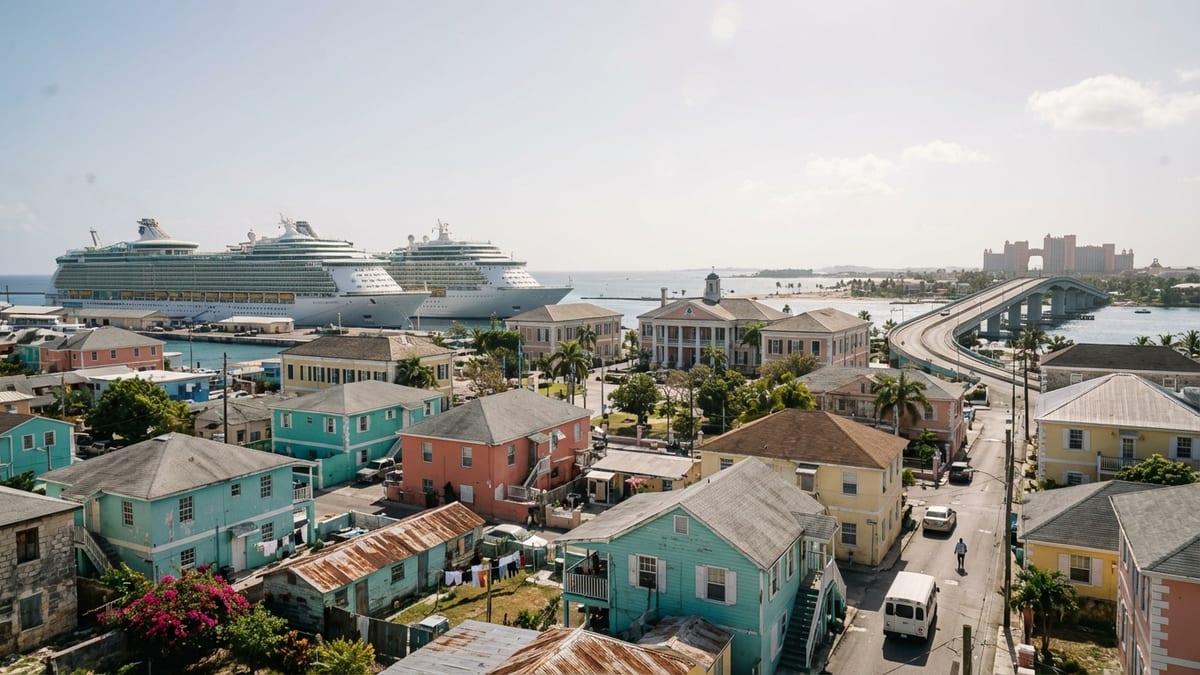
Roseau’s Cruise Port Grows While Staying Small-Ship Friendly
Dominica’s main cruise gateway at Roseau is preparing for a new phase of growth, with government plans outlining upgrades to the Roseau Cruise Ship Berth, Woodbridge Bay and the Cabrits facility in the north of the island. Publicly available documents describe a program aimed at handling more traffic while keeping the island positioned as a niche call for smaller and mid-size vessels rather than the mega-ships that dominate busier Caribbean hubs.
Traffic figures illustrate why Roseau is attracting more attention. Regional statistics show the port handling hundreds of thousands of cruise passengers in 2025, still far below volumes in ports such as Cozumel or Nassau but significant for an island that markets itself as the “Nature Island” rather than a shopping or theme-park stop. That scale, advisors say, allows operators to build itineraries where time ashore focuses on waterfalls, hot springs and hiking trails rather than a quick sweep through duty-free stores.
Reports in regional trade media indicate that the planned infrastructure works are designed to improve turnaround times, expand services for shore-excursion operators and make Roseau more resilient to seasonal surges. For cruise lines experimenting with longer or more unusual Caribbean sailings, that combination of modest capacity and improved facilities makes Dominica a natural addition to multi-island routes.
Flights and Ferries Redraw Access to the Lesser Antilles
The shift is not limited to cruise piers. Dominica’s access constraints have long been a barrier to broader tourism growth, but airlines and ferry operators are quickly redrawing the map. American Airlines introduced nonstop jet service from Miami to Dominica in late 2021 and has gradually expanded frequencies, including near daily service in peak summer periods. Travel trade coverage from 2025 notes that American is planning up to six flights per week from Miami, reflecting increased demand for the route.
United Airlines added another layer of connectivity in 2025 with new services from the New York area, giving Dominica a direct link to one of its largest source markets. Discover Dominica Authority releases highlight how this added airlift coincides with a pipeline of new hotel rooms and growing international awareness of the island’s hot springs, diving and hiking.
At the same time, regional carriers and ferries are strengthening the web of short hops that make island-to-island travel more practical. SVG Air has reintroduced scheduled service from Canefield, the smaller airport near Roseau, to nearby territories such as Antigua and Saint Lucia, after years without regular flights. L’Express des Iles and other high speed ferries continue to link Dominica with Guadeloupe, Martinique and Saint Lucia, allowing visitors arriving by air or cruise to stitch together their own multi-island itineraries without returning to a major hub.
Together, these developments are turning Roseau and its neighbors into a cluster that visitors can move between in a matter of hours, reshaping what a Caribbean holiday looks like for travelers who prefer movement over a single resort stay.
Island Hopping Moves Beyond Big-Ship Circuits
Industry data from the Cruise Lines International Association show that the Caribbean, Bahamas and Bermuda region attracted about 43 percent of all global cruise passengers in 2024, underscoring how central these waters remain to the sector. But the same reports point to a diversification within that dominance, with more than 70 percent of ships by 2030 expected to fall into the small and mid-size categories. For many travelers, the appeal is the ability to reach ports that cannot accommodate the world’s largest vessels.
Travel trade analysis highlights increasing interest in itineraries that skip the busiest turn-around ports in favor of strings of smaller islands. Southern and Eastern Caribbean routes that combine Dominica with islands such as Saint Kitts, Antigua, Saint Lucia and Guadeloupe are gaining traction among experienced cruisers who have already ticked off marquee stops like Cozumel or St Thomas. Advisors report that clients are increasingly asking for itineraries that do not repeat ports and allow more time in each destination.
Cruise lines have responded by testing longer sailings and one way voyages that begin in one island and end in another, especially from homeports in Barbados, San Juan and other regional hubs. Articles in consumer travel media describe these trips as a way to combine the convenience of a cruise with the flexibility of a multi-stop land itinerary, often encouraging guests to add several nights pre or post cruise in a place like Dominica.
For Roseau and other secondary ports, that creates an opportunity to appear more frequently on maps without being overwhelmed by the very largest ships. The result is a version of island hopping where the rhythm of overnight sailings and day-long calls matters as much as any single beach or attraction.
Travelers Seek Meaning, Not Just Margaritas
Alongside the logistical changes, traveler expectations in the Caribbean are also shifting. Reports in specialist trade publications describe a move toward more “meaningful” ways of exploring the region. Instead of simply chasing the nearest beach bar, visitors are booking itineraries that emphasize local culture, hiking, wellness and community-based experiences.
Dominica, with its volcanic landscapes and dense forests, fits squarely into that trend. Market updates from the Discover Dominica Authority point to strong interest in river tubing, canyoning, whale watching and village homestays, alongside the island’s growing portfolio of luxury eco-resorts. Travel advisors say this mix makes Dominica an appealing middle stop in a longer journey, where guests can reset between more urban or nightlife-oriented islands.
Elsewhere, new museums, restored historic districts and culinary festivals across the Caribbean are giving travelers reasons to look beyond resort walls. Coverage of Nassau’s ongoing waterfront improvements and the development of new cultural venues in islands such as Antigua and Saint Lucia illustrate how ports are investing in experiences that reward repeat visitors.
For island hoppers, that means each leg of the journey can feel distinct. A week that moves from a yacht charter in Antigua to rainforest trekking in Dominica and a boutique hotel stay in Martinique reflects a broader appetite for variety, depth and local character.
A New Map for the Caribbean Holiday
Advisors in the luxury and bespoke travel sectors report rising demand for custom itineraries that string several islands together by a mix of cruise segments, regional flights and ferries. One scenario might see travelers flying into San Juan, boarding a small-ship voyage that calls in Roseau, disembarking in Barbados and then using short hops to explore Grenada and Saint Vincent before heading home.
Data from Caribbean-focused tourism reports suggest that this kind of modular planning is being encouraged by airlines and tourism boards, which promote multi-island passes and cooperative marketing between neighboring nations. The goal is to increase visitor spend across the region by extending stays and spreading traffic beyond a handful of major hubs.
For now, Roseau’s role in this emerging network remains that of a quietly pivotal node rather than a dominant gateway. Yet with cruise port upgrades under way, expanding airlift and renewed ferry links, the capital of Dominica is increasingly where itineraries pivot. In a Caribbean travel landscape that is starting to value movement as much as arrival, that may turn out to be the most important position of all.