


More news on this day
As another hotter-than-average European summer approaches, travelers planning city breaks in Paris, Rome, Athens or Madrid are increasingly confronting a new reality: extreme heat is no longer an occasional inconvenience but a predictable feature of the peak travel season that is reshaping what it feels like to visit the continent’s most famous capitals.
Get the latest news straight to your inbox!
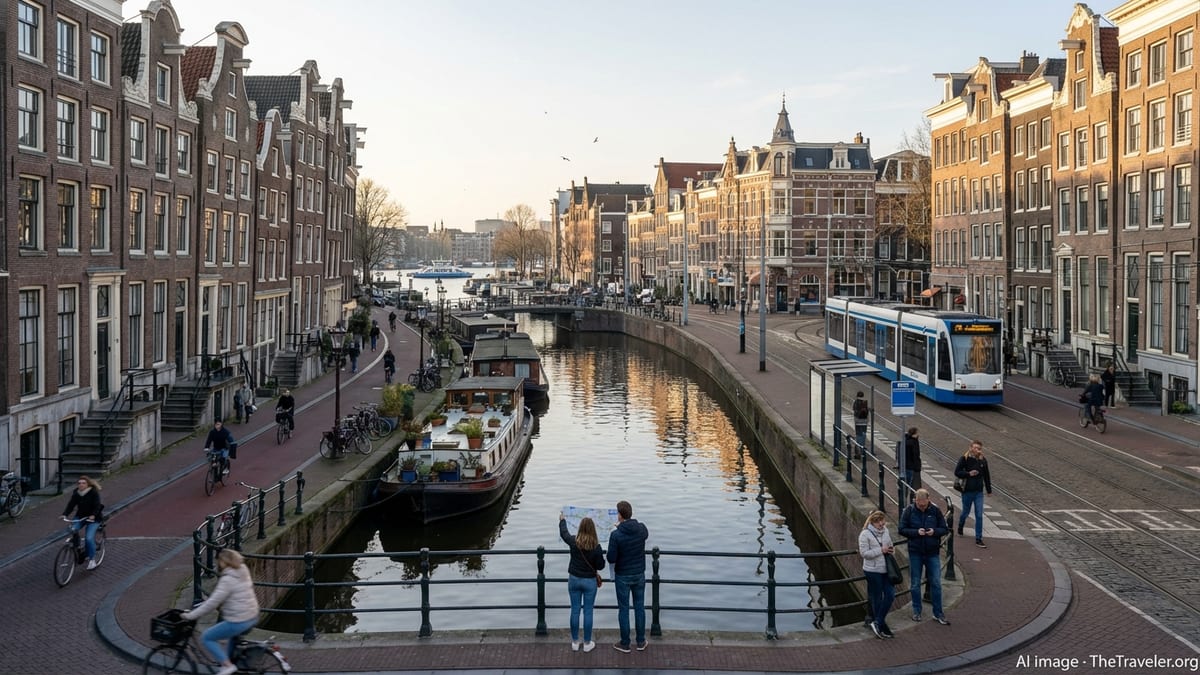
Europe’s Capitals Are Heating Faster Than Visitors Realize
Publicly available climate data show that Europe is warming about twice as fast as the global average, with summers marked by more frequent, longer and more intense heatwaves. Recent assessments from European and international agencies describe heat as the continent’s deadliest weather-related hazard, responsible for tens of thousands of excess deaths during recent extreme summers. For urban tourism hubs, this trend is no longer theoretical but visible in daily life, as midday temperatures in cities such as Rome, Madrid and Athens regularly climb well above 35 degrees Celsius in July and August.
Scientific analyses of the past two decades indicate that hot and dry summers that were once considered rare are now occurring repeatedly and expanding northwards. In practice, this means that even destinations long marketed on their mild, temperate climate, including Paris, Berlin and Amsterdam, are seeing record-breaking temperatures and extended stretches of hot days. Visitors who assume that northern capitals provide automatic relief from Mediterranean heat increasingly find themselves walking through cities where shade and cooling are suddenly at a premium.
Researchers attribute much of this shift to human-driven climate change, which is amplifying the background warming trend and altering atmospheric circulation patterns over Europe. Studies highlight that extreme heat events across western and central Europe are now several times more likely than in the late twentieth century, and that the intensity of these episodes often exceeds what earlier climate models projected. For travelers, these statistical shifts are felt in practical ways: more days where sightseeing feels uncomfortable, higher nighttime temperatures that interrupt sleep, and a greater need to plan activities around cooler hours.
The urban heat island effect compounds the problem in large capitals. Dense building patterns, limited vegetation and traffic-clogged streets trap warmth, keeping city centers several degrees hotter than surrounding areas. European reports summarizing recent summers note that temperatures in heavily built-up districts can remain elevated well into the evening, which reduces the window of respite for both residents and visitors. This dynamic is particularly visible in historic cores, where stone pavements and monuments absorb heat during the day and release it after sunset.
Iconic Sights Adjust Schedules, Shade and Safety Measures
The changing climate has already prompted some of Europe’s most recognizable attractions to alter how and when they welcome visitors. During recent heatwaves, the Acropolis in Athens has periodically closed during the hottest hours of the day, with published coverage describing queues forming early in the morning and tourists redirected as temperatures exceeded 40 degrees Celsius. These brief shutdowns, designed to reduce health risks for visitors and staff, illustrate how extreme heat can disrupt even the most carefully planned itineraries.
In Rome, reports indicate that authorities have expanded shaded waiting areas and misting systems around high-traffic sites such as the Colosseum and the Vatican Museums, while encouraging tour operators to prioritize early-morning and late-afternoon time slots. Similar adaptations have appeared in Paris, where temporary shade structures, water stations and cooling spaces are increasingly visible around major landmarks in peak season. Museums and indoor attractions, already popular as cultural highlights, are gaining a parallel reputation as de facto cooling refuges during the hottest parts of the day.
Some city governments are integrating visitor needs into broader heat adaptation plans. Public information campaigns now routinely include multilingual guidance on staying hydrated, recognizing signs of heat stress and identifying designated “cool rooms” in public buildings. Maps highlighting drinking fountains, shaded parks and riverside promenades are becoming standard tools not only for residents but also for tourists who rely on official tourism portals. In several capitals, authorities have expanded the opening hours of public swimming pools and installed temporary splash areas that draw both families and city-break travelers seeking relief.
There are also subtle changes in the way monuments and historic districts are managed. Conservation bodies are examining the impact of repeated heat stress on heritage structures, while local regulations in some destinations now discourage or restrict activities that cluster large crowds in unshaded plazas at midday. These measures, described in urban adaptation assessments across Europe, reflect an emerging understanding that tourist safety, monument preservation and climate resilience are increasingly interconnected.
Tourist Behavior Shifts: Earlier Starts, Later Nights and New Seasons
Travel trend reports for 2024 and 2025 indicate that extreme temperatures are beginning to influence where and when people choose to travel within Europe. Surveys by tourism organizations show that a significant share of European travelers now say they will avoid destinations at times when extreme weather, including heatwaves, is likely. Many respondents report considering more stable or milder climates and express a growing interest in trips during the traditional shoulder seasons of spring and autumn instead of the height of summer.
Data on overnight stays and air arrivals suggest that southern Europe continues to attract strong demand, but there are signs that the most intense summer months are losing some appeal relative to May, June, September and October. Industry analyses describe robust growth in these shoulder periods, supported by travelers who still want Mediterranean culture and coastline experiences but prefer to avoid the combination of high temperatures and crowding. Capitals such as Lisbon, Madrid and Athens are seeing more visitors distribute their city time across the year rather than concentrating exclusively on late July and August.
On the ground, the daily rhythm of sightseeing is also changing. Guides and tour companies increasingly emphasize “heat-smart” itineraries, encouraging travelers to book outdoor activities around dawn or in the early evening, and to reserve the hottest hours for long lunches, museum visits or rest. Anecdotal accounts from tourism businesses in Rome, Seville and Athens describe a clear preference for earlier start times and later dinners, as visitors synchronize their routines with those of locals who have long adapted to intense summer sun.
Meanwhile, northern and higher-altitude capitals are marketing themselves as comparatively cooler alternatives during heatwaves. Promotional materials for destinations such as Copenhagen, Stockholm and Vienna routinely highlight shaded parks, waterfront walking routes and cooler evening temperatures. While these cities are themselves experiencing hotter summers than in the past, they can still feel more comfortable than Mediterranean hubs during the worst heat episodes, creating new competitive dynamics within the European city-break market.
Urban Cooling Strategies Are Becoming Part of the Visitor Experience
European climate and urban-planning bodies increasingly frame tourism as one of several sectors that must adapt to rising heat. Reports on “what works” in city adaptation emphasize measures such as expanding tree cover, installing reflective surfaces, restoring waterways and designing public spaces that promote airflow and offer shade. As these projects roll out in capitals from Paris to Budapest, travelers encounter them firsthand in the form of greener boulevards, redesigned plazas and new car-free zones that feel cooler and more pleasant to walk through.
Several capitals have launched large-scale tree-planting and nature-based cooling initiatives that consciously target areas popular with visitors. Paris has created new “cool islands” in public squares and along the Seine, while Madrid’s urban forestry projects extend shade across pedestrian routes linking key museums and historic neighborhoods. In Athens, plans to enhance green corridors around central archaeological sites are presented as both a heritage-conservation measure and a response to mounting heat stress.
Water is another emerging feature of city cooling strategies. Fountains, misting arches and interactive water features are being added or upgraded in central districts, often near tourist routes. These amenities, once primarily decorative, are now described in municipal communication as elements of heat adaptation that offer tangible comfort to passersby. In some capitals, experimental projects redirect reclaimed or non-potable water to create temporary cooling installations during heat alerts.
Transport policies also play a role. During severe heat episodes, a number of cities have introduced discounted or free public transport to encourage people to avoid long walks in the sun and to reduce emissions. Investment in shaded tram stops, air-conditioned metro lines and covered pedestrian connections between transit hubs and cultural sites can significantly influence how comfortable it feels to move around a capital in mid-summer. For visitors, these interventions may not be labeled as climate measures, but they increasingly shape how convenient and bearable a hot city day can be.
What This Means for Summer 2026 Travelers
For travelers preparing to cross Europe in the summer of 2026, the growing body of climate and tourism research points toward a season defined by adaptation rather than avoidance. Tourism forecasts for the region remain positive, with reports from European and international organizations describing a sector that continues to expand even as it confronts climate-related disruptions. The consensus emerging from recent studies is that city breaks will remain central to Europe’s appeal, but that successful trips will increasingly depend on flexible planning around heat.
Practical implications include paying closer attention to local heat alerts, building more rest time into itineraries and recognizing that some headline attractions may adjust hours at short notice when temperatures spike. Travelers may also find that the most rewarding experiences now come from embracing slower, more climate-conscious rhythms: exploring neighborhoods early in the morning, seeking out tree-lined streets and riverside paths, and using the midday lull to discover museums, markets and indoor cultural venues that double as cooling havens.
The broader shift visible across Europe’s capitals is that measures once framed narrowly as responses to extreme weather are being woven into long-term visions for livable, visitor-friendly cities. Green corridors, heat-resilient public spaces and redesigned mobility networks are intended to protect residents, but they will also determine how future generations of travelers experience the continent’s iconic landmarks. As heatwaves become a regular feature of the European summer, the cities that succeed in adapting are likely to be those where sightseeing and comfort can still coexist, even when the thermometer soars.