


Standing on a dock with a life jacket half-zipped, staring at a map full of bays, rivers, and sea caves, it can be hard to know whether the kayak tour you picked is really right for you. The photos all look inviting, but water conditions, currents, and your own experience level matter far more than the marketing copy. Choosing wisely is the difference between a relaxed, confidence-building day and a stressful trip you cannot wait to end. This guide walks you through how to match your skill level to the right destination, water type, and tour operator, using real-world examples from coastal and river trips in the United States and beyond.
Get the latest updates straight to your inbox!
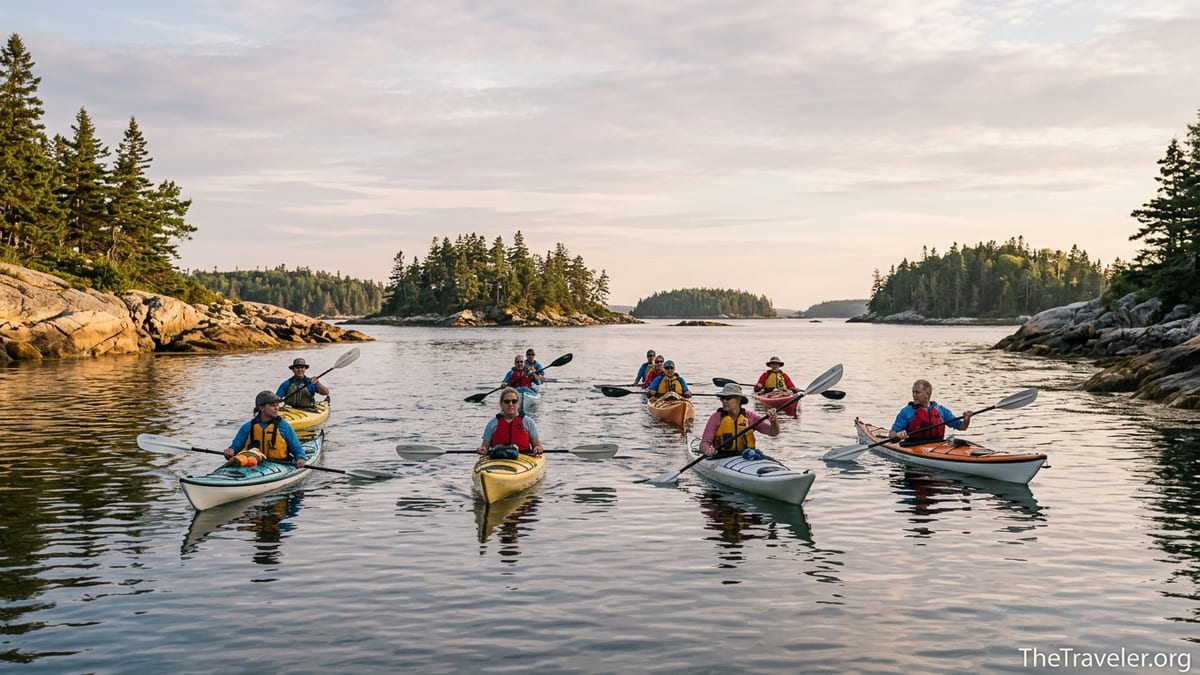
Know Your Starting Point Before You Book
Before you start scrolling through glossy tour descriptions, take an honest inventory of your paddling background. Tour operators will often label trips as beginner, intermediate, or advanced, but those words mean different things in a sheltered harbor than on a tidal coastline or fast-moving river. Ask yourself if you are comfortable steering a kayak in light wind, if you can paddle steadily for at least two hours, and whether you are confident in the water wearing a life jacket if you flip. If the answer to any of those is no, you will want a truly beginner-friendly outing on flat, protected water.
On calm sea kayak tours around Frenchman Bay in Bar Harbor, Maine, for example, companies such as Acadia Bike & Coastal Kayaking Tours and Maine State Sea Kayak specifically welcome first-timers and provide a land-based lesson before launching. Their half-day tours, usually around three to four hours on the water with plenty of breaks, are typical of entry-level coastal trips. Prices in 2026 for group sea kayak tours in this area often fall in the 75 to 100 dollar range per adult for a standard half-day outing, which is a useful benchmark when comparing similar coastal trips elsewhere.
If you already paddle a sit-on-top kayak on lakes at home or rent a boat several times each summer, you might progress directly to longer coastal tours or mellow river sections. Outfitters on the Colorado River and Arkansas River in Colorado, for instance, often split kayak classes into beginner, intermediate, and advanced days on different sections of river, matching guests who already have basic strokes to short stretches of Class II or gentle Class III whitewater. Being clear with them about what you have done before helps them place you on the right trip.
For families, the baseline is usually the least experienced and least confident member of the group. A parent who has paddled for years but is traveling with school-age children will be better off on a family-focused harbor tour in a place like Portland, Maine, where two-hour sunset paddles in Casco Bay are run at a relaxed pace in double kayaks, rather than on open-ocean or surf-exposed routes.
Understand Water Types: Flatwater, Coastal, and Whitewater
The same “beginner” label can feel very different on a sheltered lagoon, an island-dotted bay, and a canyon river at spring runoff. When you evaluate tours, focus less on the marketing category and more on the type of water: flatwater, coastal/tidal, or whitewater. Each has its own risks and learning curve, and the right choice depends as much on conditions as on your paddling background.
Flatwater tours are usually on lakes, gentle rivers, or calm bays with little current. Typical examples include sunrise paddles on glassy lakes in the Adirondacks or wildlife-focused tours through mangrove tunnels in places like Florida’s Gulf Coast. These trips are generally suitable for first-timers who can sit comfortably in a kayak and follow basic instructions. If your main goal is to see wildlife or get comfortable on the water, start here.
Coastal and tidal tours add moving water, wind, swell, and sometimes surf landings. In a place like Acadia National Park, sea kayak guides often choose routes along the more sheltered “quiet side” of Mount Desert Island or among the Porcupine Islands in Frenchman Bay, where islands break the swell and create more protected channels. Similar logic applies in the Pacific Northwest, where novice-friendly tours might stick to inlets and narrow passages rather than open Pacific coastline. If a tour description mentions headlands, surf launches, or long crossings exposed to wind, consider it more advanced even if it is advertised as suitable for beginners.
Whitewater tours and river kayak classes involve fast-moving water and rapids rated on the International Scale of River Difficulty, from Class I (moving water, small waves) to Class V and VI (expert only). On Colorado’s Arkansas River, for instance, inflatable kayak trips in Bighorn Sheep Canyon typically focus on Class II to III whitewater, which outfitters market to adventurous beginners who are strong swimmers and comfortable getting splashed. Meanwhile, advanced hardshell kayak clinics on the same river might target steep Class IV sections, which are only appropriate for paddlers with solid rescue skills and experience.
How to Read Rapids and Sea Conditions in Tour Descriptions
Once you know your comfort level, learn to decode the language outfitters use to describe conditions. On rivers, the most important information is usually the rapid class rating. Class I and II mean moving water with small, predictable waves and straightforward routes. These are appropriate for most people on guided trips, assuming they are comfortable in the water. Class III adds stronger currents, larger waves, and the possibility of swims that feel intense; tours in this range often specify a minimum age, sometimes around 12 or 14, and require participants to be confident swimmers.
Some Arkansas River outfitters break their trips into “family float” runs on primarily Class II water, “intermediate” runs with a mix of Class II and III, and “advanced” sections with consistent Class III and IV rapids. Prices can be similar from section to section, but the experience is not. A first-time kayaker who signs up for an inflatable kayak tour through a mostly Class II canyon in July will likely come away exhilarated and more confident. The same person dropped into cold, pushy Class III at high water in June might find it overwhelming.
On the coast, you will not see rapid classes, but you should look for mentions of wind, swell, and tides. A “calm, sheltered bay” or “protected inner harbor” in a tour description usually signals easier conditions. In contrast, words like “exposed coastline,” “open-water crossings,” or “surf landings” suggest that you will encounter more complicated sea states, with clapotis (reflected waves near cliffs), breaking swell on beaches, and potentially strong tidal currents around headlands.
Good operators will describe how they adapt routes and cancel or reschedule trips when conditions exceed their comfort thresholds. In Maine, for example, some sea kayak companies emphasize that they avoid strong afternoon sea breezes by starting longer trips in the morning and that they choose island routes that keep guests in the lee of prevailing winds. When you compare tours, prioritize those that talk clearly about conditions and safety rather than simply promising adrenaline or idyllic sunsets.
Matching Destinations to Your Experience Level
Once you understand the basics of water types and conditions, you can start pairing destinations with your skill level. Novices and cautious paddlers might gravitate toward calm destinations such as Bar Harbor’s Frenchman Bay, Portland’s inner Casco Bay, or sheltered lakes in state parks where outfitters offer guided morning or sunset paddles that rarely stray far from shore.
Intermediate paddlers who have some miles under their belt might target longer coastal tours, such as full-day sea kayak trips exploring the “quiet side” of Acadia’s Mount Desert Island or multi-day expedition-style tours in the island-studded waters between Penobscot Bay and Acadia. These itineraries often involve four to six hours of paddling per day, landings on cobble or rocky beaches, and crossings where you are exposed to wind and boat traffic for longer stretches. They are best for travelers who have already spent time in a kayak and are comfortable paddling into light chop and wind.
For whitewater enthusiasts, classic learning destinations include beginner-friendly sections of the Colorado River near Glenwood Springs, where broad channels and moderate rapids provide a more forgiving classroom, and Class II and III stretches of the Arkansas River around Buena Vista and Cañon City. Many outfitters in these areas run progression programs, starting with pool or lake roll sessions, then moving to easy river days and ultimately to more technical rapids. Travelers can sign up for a single introductory day or build a weekend around a series of classes.
At the advanced end, serious paddlers might seek out expert whitewater like high-volume Class IV and V canyons on rivers in Colorado or big-water runs in the Pacific Northwest, but these trips are only appropriate for those with extensive experience, strong rescue skills, and the right equipment. Most travelers looking for a vacation outing will be much happier on the scenic Class II to III range that offers waves and excitement without requiring years of training.
What to Expect from a Quality Kayak Tour Operator
Regardless of location or difficulty, certain hallmarks distinguish reliable tour companies. A solid operator will clearly list guide qualifications, such as local licensing or completion of recognized instructor or swiftwater rescue courses. In Maine, for instance, many coastal outfitters employ Registered Maine Guides, who are licensed by the state after passing written and practical exams related to navigation, safety, and local natural history. On whitewater rivers in the western United States, reputable companies often point to industry certifications and years of operation on specific stretches of water.
Safety briefings and instruction are another key indicator. Before launching, your guide should cover basic paddle strokes, how to steer and stop, what to do if you flip, and how to communicate on the water. On National Park lands that regulate guided kayak tours, such as certain island shorelines on the Great Lakes, conditions of operation often specifically require outfitters to provide safety talks that include proper use of life jackets, foot placement to avoid leg entrapment in rivers, and procedures for capsizes. If a tour description or pre-trip email does not mention any instruction, that is a red flag for beginners.
Group size and guide-to-guest ratios also matter. Many coastal outfitters in North America cap group sizes around 8 to 12 guests per trip, often with one guide for every 6 to 8 participants, depending on conditions and boat types. On whitewater, inflatable kayak trips might be supported by a safety kayaker and one or more raft guides in addition to the trip leader, so that swimmers can be collected quickly. When you inquire, operators should be comfortable explaining how many guides will be on the water and how they adjust group size to water levels and guest experience.
Finally, a quality tour company will be transparent about cancellations and weather calls. In coastal environments where fog and wind can change quickly, some Maine and Pacific Northwest outfitters make day-of decisions based on marine forecasts, offering to reschedule or refund if conditions are not right. Similarly, Colorado river outfitters may alter trip sections or move launch times when spring melt pushes river flows to levels better suited to intermediate paddlers than first-timers.
Gear, Fitness, and Comfort: Honest Self-Assessment
Matching your skill to the right tour is not only about technique; it is also about realistic expectations for comfort and fitness. A three-hour harbor paddle at an easy pace is within reach for most travelers who are moderately active, but a six-hour open-coast tour or a day of continuous Class III rapids requires more stamina. Look carefully at trip length in hours, not just distance, and ask whether there are built-in rest stops on beaches or quiet stretches of river.
Kayak type makes a difference, especially for newer paddlers. Sea kayak tours in New England and the Pacific Northwest typically use closed-deck touring kayaks with spray skirts, which stay drier and track efficiently, but can feel more confining to someone who has only tried open sit-on-tops. Some companies offer a mix, placing less experienced guests in more stable double kayaks with a guide or experienced partner. On warmer rivers, inflatable kayaks, sometimes called duckies, are a popular choice for adventurous beginners because they are more stable and easier to re-enter after a swim than traditional hardshell kayaks.
Clothing and safety gear also factor into comfort. In cold-water environments like coastal Maine or high-elevation rivers in Colorado, good operators often provide or strongly recommend wetsuits or dry wear, even in summer. If a tour in chilly conditions only mentions a standard life jacket and gives no guidance on thermal protection, follow up with questions. Hypothermia is a real risk for swimmers in cold water, even on sunny days. In warm, shallow rivers and tropical lagoons, a swimsuit, synthetic layers, and a sun-protective shirt may be sufficient, but always follow the outfitter’s packing list carefully.
If you are unsure about your fitness, consider booking the shortest available tour in your chosen area for your first day. For example, in Portland, Maine, two-hour harbor or sunset paddles are often marketed as introductory experiences and can be a great test of your comfort in a sea kayak before committing to a longer island-hopping trip later in the week.
Questions to Ask Before You Reserve
Once you have narrowed your options, a short email or phone call to the outfitter can clarify whether a trip truly fits your needs. Ask how they define beginner, intermediate, and advanced on that specific body of water. An operator on a calm Florida spring, for instance, might classify a three-hour upstream-and-downstream paddle as beginner, while a company running surf landings through breaking waves will likely have stricter standards for who qualifies as a novice.
Inquire about typical conditions during the season you plan to visit. The same Maine sea kayak route that feels placid in August can be markedly rougher during a windy June cold front, and the Arkansas River’s Class III rapids in mid-summer often feel more forgiving than during peak snowmelt in early June. Ask how often they cancel for wind or high water, what alternatives they offer on those days, and whether they are willing to recommend a different trip or even a different company if your needs fall outside their normal offerings.
It is also wise to ask about minimum ages, swimming requirements, and any prerequisites for whitewater trips. Some inflatable kayak tours on Class II to III rivers require guests to have previous rafting experience or to begin with a guided raft trip before stepping into a solo or tandem kayak. Others fold instruction into a progressive series of days that start in the pool and end on the river. Understanding where your chosen tour sits on this spectrum will help avoid surprises.
Finally, discuss your personal concerns candidly, whether that is nervousness about capsizing, a past shoulder injury, or limited mobility in your knees. Good guides will explain which trips offer easier entries and exits, allow more frequent breaks, or minimize situations where you need to climb up steep riverbanks or scramble over rocks.
The Takeaway
Choosing the right kayak tour is less about chasing the most dramatic photos and more about matching your skills, comfort, and curiosity to specific water conditions and destinations. A calm morning paddle among the Porcupine Islands off Bar Harbor or through the sheltered islands of Casco Bay can be every bit as memorable as a whitewater run, especially if it leaves you feeling confident and eager to paddle again.
By learning the basic language of river classes and sea conditions, being honest about your paddling background and fitness, and asking targeted questions about how outfitters structure their trips, you can sort through the marketing language and find tours that are genuinely suited to you. Whether you end up gliding over glassy water in a double sea kayak, threading easy rapids in an inflatable duckie, or planning a multi-day coastal expedition, the goal is the same: a safe, rewarding experience that matches your abilities and leaves room to grow.
FAQ
Q1. I have never kayaked before. What type of tour should I book first?
For a true first outing, choose a short tour of about two hours on flat or very sheltered water, such as a harbor, calm bay, or lake. Look for operators that clearly state they welcome beginners, provide a land-based lesson before launching, and use stable double kayaks or wide sit-on-tops. Avoid whitewater and exposed coastal trips with surf or long crossings until you have a few easier paddles behind you.
Q2. How do I know if a whitewater kayak tour is within my skill level?
Check the rapid class rating and your swimming comfort. Class I and II trips with a guide are generally appropriate for fit first-timers who are confident in the water, while Class III and above are better for those with previous rafting or kayaking experience. If you are unsure, start with a guided raft trip on the same river section or ask the outfitter whether they recommend beginning with a lesson or easier stretch.
Q3. Are sea kayak tours on the ocean safe for beginners?
They can be, if they are run in sheltered areas and conditions are calm. Look for tours that stay close to shore, weave among protective islands, and avoid surf landings or exposed headlands. Companies in places like coastal Maine often design specific routes on quiet sides of islands or in protected bays for first-timers. If a tour mentions strong tides, large swell, or surf, consider it more advanced.
Q4. What fitness level do I need for a half-day kayak tour?
Most half-day tours involve two to three hours of actual paddling with breaks. You should be able to sit comfortably for that long, paddle at a steady but moderate pace, and climb in and out of the kayak unassisted or with minimal help. Regular walking or light exercise a few times a week is usually enough. If you are concerned, start with a shorter two-hour trip before attempting a longer outing.
Q5. Should I choose a single or double kayak on a guided tour?
Double kayaks are often more stable and can be a good choice for beginners, families, or anyone nervous about steering. A guide may pair a less experienced paddler with a more confident partner in a double. Single kayaks provide more independence and are better for those who already know basic strokes. If you are unsure, ask the outfitter which option they recommend based on your size, experience, and the expected conditions.
Q6. What safety gear should a reputable kayak tour provide?
At minimum, every participant should have a properly fitted Coast Guard–approved life jacket, an appropriate kayak and paddle, and, where relevant, a helmet for whitewater or surf zones. In cold water regions, good operators often supply wetsuits or recommend specific thermal clothing. Guides should carry spare paddles, basic repair tools, communication devices, and first-aid supplies. Do not hesitate to ask what they bring on the water.
Q7. How do weather and season affect the difficulty of a kayak tour?
Wind, water temperature, and river level all change with the season. Coastal trips can be much rougher on windy days, even in summer, while snowmelt can make rivers colder and more powerful in early season compared with late summer. When you book, ask about typical conditions for your travel dates and how often trips are rescheduled or moved to easier routes because of weather or water levels.
Q8. Can children join kayak tours, and how do I choose a kid-friendly option?
Many outfitters offer family-focused trips with minimum ages that vary from around 6 to 12, depending on water type and conditions. For younger children, look for calm, short tours using stable doubles, with plenty of shore breaks and no significant rapids or surf. Be sure to mention your child’s age, size, and swimming ability when booking so the operator can confirm that the trip and equipment are appropriate.
Q9. What if I am nervous about capsizing or do not like deep water?
If you are anxious, start in shallow, sheltered environments where you can see the bottom and stand up in many areas, such as quiet coves, lagoons, or slow-moving rivers. Choose a tour that emphasizes instruction and calm conditions, and tell your guide about your concerns before launching. They can adjust the route, keep you in a more stable boat, and stay close by until your confidence grows.
Q10. How far in advance should I book a kayak tour in popular destinations?
In busy summer destinations such as coastal Maine or well-known whitewater hubs in Colorado, popular time slots, especially morning and sunset tours, can sell out weeks in advance. Booking at least one to two weeks ahead is wise in peak season, and longer for weekends or large groups. Shoulder seasons can be more flexible, but it is still worth reserving once you know your travel dates so you can secure a trip that fits your skill level and preferred conditions.