


When demanding outdoor activities are paired with comfortable accommodation, the schedule needs to leave enough time for rest and recovery.
Balancing challenging alpine ascents or coastal treks with a high level of comfort depends on choosing the right location, working with experienced local guides, and planning luggage transfers. Travellers with limited time also benefit from reducing unnecessary logistics before the trip begins. Setting realistic expectations around daily distance, elevation gain, and transfer times can help keep the itinerary active without making it exhausting.
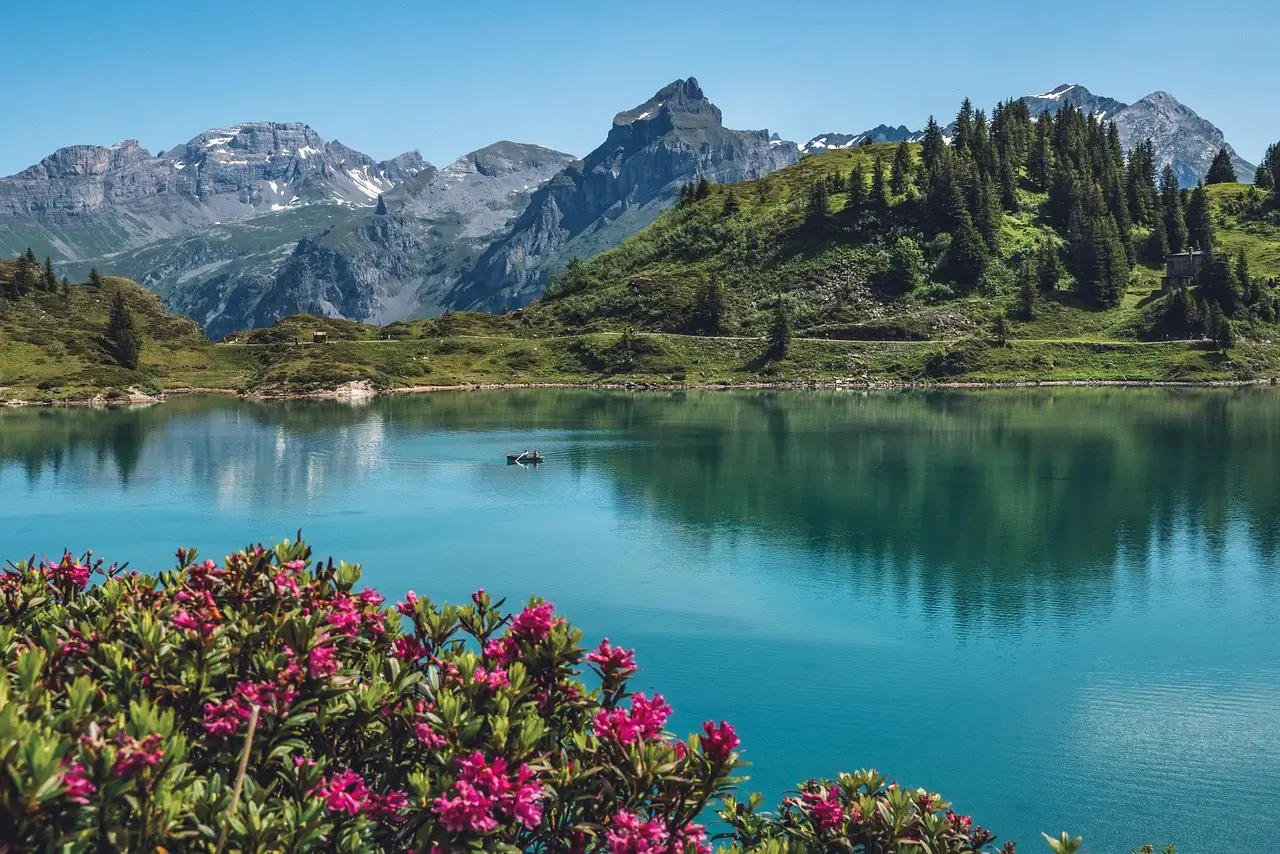
Pick a Region That Balances Trails and Terraces
Selecting a destination where hiking routes sit close to historic towns can cut down on transfer time. In Sicily, Mount Etna has volcanic trails, lava fields, and wooded slopes, while the Madonie is known for mountain walking, forests, and villages such as Castelbuono and Cefalù. Choosing a base where outdoor routes sit close to good accommodation and dining makes it easier to follow a demanding morning hike with a quieter afternoon. A refined guide to holidays in Sicily can help identify areas with convenient access to parks, trails, and nearby towns.
Selecting the wrong geographical base can mean long daily drives between trailheads and accommodation. In regions with slower mountain roads, that can take valuable time away from both hiking and recovery. Focusing on a compact area, such as the Madonie around Cefalù, gives hikers access to mountain routes without moving accommodation every night. Evaluating terrain, road access, dining options, and transfer times during the planning stage keeps more of the physical effort on the trail instead of in the car.
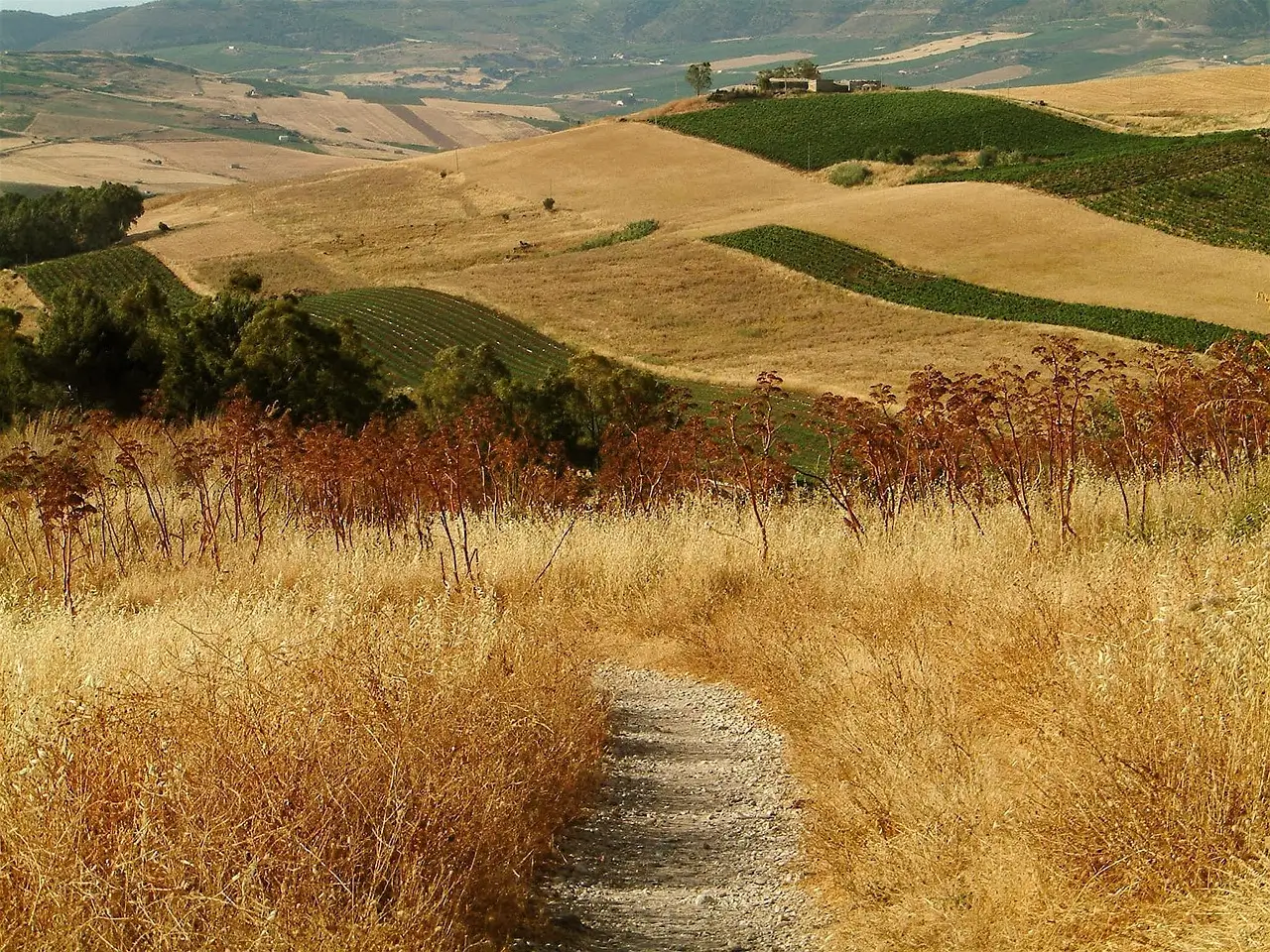
The Best Itineraries Include a Day of Downtime
Demanding activities like multi-day trekking or sea kayaking can create cumulative fatigue when several active days are scheduled back to back. Building a rest or lower-intensity day into the itinerary gives you time to recover before the next activity. The timing will depend on the difficulty of the route and individual fitness levels.
Downtime does not have to mean staying in the hotel all day. A wine tasting, a long lunch, or a spa treatment can keep the itinerary interesting without adding another strenuous activity. Hotels with pools, massage treatments, or other recovery facilities can also provide a more comfortable way to spend the day between hikes.
Planning downtime also creates useful flexibility. Attempting to fit five different hiking regions into a seven-day trip can lead to long transfers and little recovery time. Leaving a mid-week block free of major activities creates space to adjust the schedule if weather delays a hike or an earlier day proves more demanding than expected.
A Private Guide Can Rescale Any Alpine Trail
Alpine weather and physical fatigue can change how manageable a planned route feels on the day. Hiring a qualified private mountain guide allows the route to be adjusted according to fitness levels, trail conditions, and changing weather. In high-altitude regions such as the Valais or the Engadin, experienced guides can also factor in alternative trails, mountain transport, and nearby huts into the day's plans.
A private guide can provide more flexibility than a fixed group itinerary. Travellers booking high-altitude routes, such as luxury walking holidays across Switzerland, may value having someone who can adjust the day's distance or elevation if conditions change. Cable cars, local transport, or shorter trail alternatives can sometimes be used when fatigue or knee strain makes the original route less suitable.
Guides can also help with route timing, hut stops, and local trail regulations. At popular areas such as Gornergrat or Bachalpsee, an earlier start or adjusted route may help avoid the busiest periods. Having an experienced professional on the trail can make challenging alpine terrain easier to manage while keeping the itinerary responsive to personal limits and conditions.
What Happens When Mountain Weather Turns Fast
Mountain weather can change quickly when fronts move across high passes, bringing sudden drops in temperature, precipitation, strong winds, and reduced visibility. At higher elevations, rain can also turn to sleet or snow depending on the freezing level and local conditions. Preparing for rapid changes in weather is an important part of keeping an outdoor day comfortable and safe.
Packing the right layers makes a big difference when conditions shift. A weatherproof outer layer, warm insulation, quick-drying clothing, suitable footwear, and basic emergency equipment belong in a mountain daypack even when the morning forecast looks good. A first-aid kit and space blanket are also useful additions for longer or more exposed routes.
A well-planned active itinerary should also include indoor alternatives for poor-weather days. If strong winds or storms make exposed routes unsuitable, options such as museums, historic sites, or indoor thermal facilities can keep the day useful without forcing a risky hike. Agreeing on clear turn-back points with a guide before setting out can also make it easier to adjust the plan if conditions deteriorate.
Let Someone Else Handle Every Transfer and Bag
Carrying a heavy multi-day backpack can make a demanding trail more tiring than it needs to be. Luggage transfer services can move larger bags between hotels while hikers carry a lighter daypack with water, layers, and basic emergency supplies. In Switzerland, some multi-day hiking itineraries already include hotel-to-hotel luggage transfer as part of the trip.
Point-to-point transfers also need careful coordination, especially when trailheads sit away from main rail or bus routes. Prearranged drivers, hotel transfers, or local public transport can simplify the journey between accommodation and the start or end of a hike. Switzerland's rail system also provides luggage services to stations and accommodation for some journeys.
Delegating some of these logistics leaves more time for rest and dining between active days. Knowing how bags and onward transfers will be handled before setting out can also reduce stress if a hike finishes later than planned. For multi-stage trips through regions such as the Swiss Alps or Sicilian highlands, that extra planning can make the transition between trail days and comfortable accommodation much easier.
Can Comfort and Adventure Really Coexist?
Active adventure and a high level of comfort can coexist when the trip is built around careful planning, experienced local support, and reliable transfer logistics. Prioritising recovery time, flexible pacing, and professional guidance can make demanding routes easier to manage without removing the physical challenge.
Luggage transfers, private mountain guides, and accommodation close to trailheads can all help protect time and energy between active days. The aim is to keep the adventure challenging while making the logistics, recovery, and downtime as comfortable as possible.