


A day trip from Salzburg to Hallstatt is one of Austria’s classic excursions: lakes and mountains, a storybook village, and just enough travel logistics to trip you up if you do not plan ahead. With a bit of strategy, though, you can comfortably travel from Salzburg to Hallstatt and back in a single day, see the highlights, and still be back in the city in time for dinner.
Get the latest updates straight to your inbox!
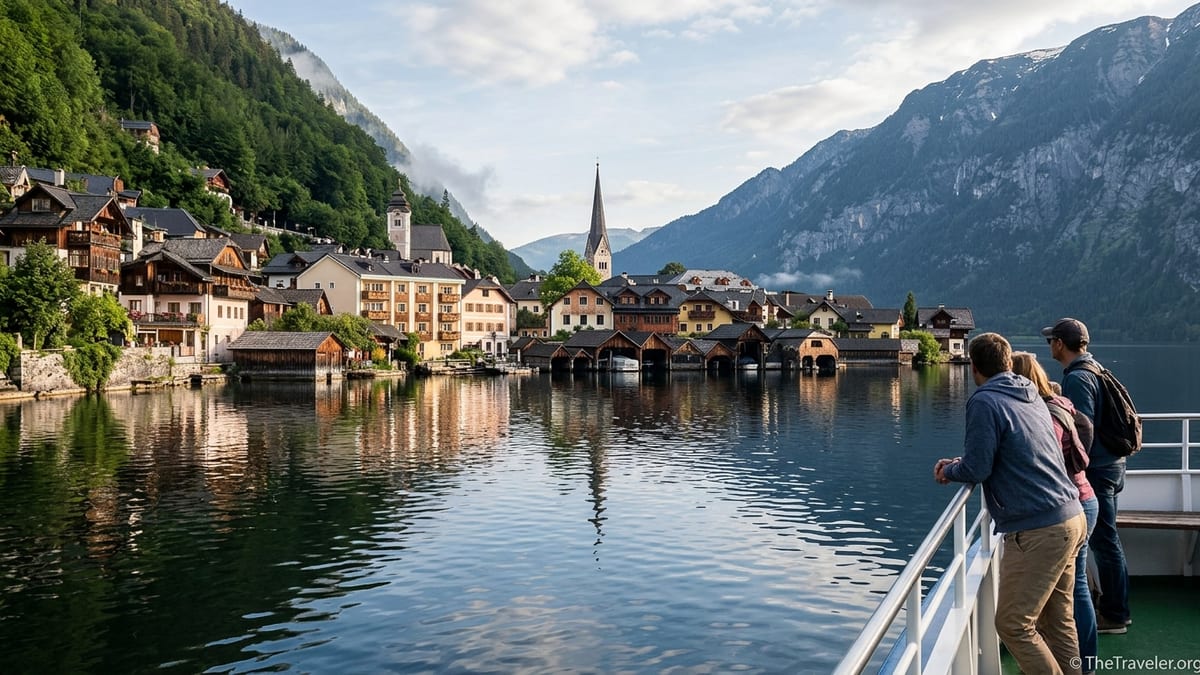
Understanding the Salzburg to Hallstatt Journey
Salzburg and Hallstatt look close on the map, but the mountains and lakes between them mean there is no quick direct express. You should expect about 2.5 to 3 hours in each direction door to door, whether you go mainly by train or by bus. For most travelers, that makes a realistic Hallstatt day trip about 10 to 12 hours total, including time in the village.
The most popular public transport route combines a mainline train from Salzburg Hauptbahnhof to Attnang-Puchheim, a regional train along the Salzkammergut line to Hallstatt Bahnhof, and a short ferry ride across the lake to the village. Typical journey times on this combination are around 2 hours 15 minutes to 2 hours 30 minutes in each direction, depending on the specific connection.
An alternative is to travel by bus through the lake district to Bad Ischl, then connect by train or bus to Hallstatt. The regional bus 150 runs from Salzburg Hauptbahnhof through Hof, Fuschl and St Gilgen to Bad Ischl roughly every 30 minutes during the day, and the ride takes about 1 hour 40 minutes. From Bad Ischl it is about 30 to 40 minutes by regional train to Hallstatt station, then the ferry across. This route is slightly slower overall but passes several scenic lakes and can be a good choice if you want to incorporate St Gilgen or Wolfgangsee into your return journey.
There are also fully organized coach tours from Salzburg that handle all logistics for you, and of course you can drive yourself in about 75 to 90 minutes each way in good conditions. For a first visit, most independent travelers find the train plus ferry route the best balance of scenery, reliability and simplicity.
Best Time of Year and When to Start Your Day
Hallstatt is a year round destination, but your experience will change a lot depending on the season. From late spring through early autumn, usually May to early October, you can expect the fullest range of activities: lake ferries running regular schedules, mountaintop viewpoints and cable cars open, and long daylight hours that make a same day return to Salzburg much less stressful.
In peak summer the village can feel crowded from mid morning to mid afternoon. On a typical July or August day, tour buses from Salzburg, Vienna and regional cruise ships can all arrive around 10:30 to 11:00, which makes the streets and central square busy. In these months it is worth catching one of the early trains from Salzburg, often around 6:00 or 7:00, to reach Hallstatt by about 9:00. That gives you at least an hour of quieter time before the day trippers arrive.
Winter visits can be magical if you get snow covered mountains and low season calm, but you need to watch for shorter days, possible weather disruptions, and reduced opening hours at sights such as the Skywalk or salt mine. In January, for example, it is common to have darkness settling in Hallstatt by around 16:00, and some ferry and bus services may run on a reduced schedule. If you are planning a winter day trip, build in more buffer time and be prepared that some attractions might be closed or operating limited hours.
Regardless of season, the key to a relaxed day is an early start. For many visitors staying in central Salzburg, leaving the city between 6:30 and 8:00 works well. That puts you in Hallstatt between about 9:00 and 11:00, which is ideal if you want time for a village walk, a lakefront lunch and at least one major sight before you have to head back for a late afternoon or early evening train.
Choosing Your Route: Train, Bus, Car or Tour
For most independent travelers, the default choice is the train plus ferry route via Attnang Puchheim. From Salzburg Hauptbahnhof, long distance and Railjet style trains run toward Vienna, stopping at Attnang Puchheim. Journey time on this leg is usually around 45 to 60 minutes depending on the service. From Attnang Puchheim you transfer to a regional train on the Salzkammergut line, which follows lakes and river valleys to Hallstatt Bahnhof in about 1 hour 15 minutes. From there, the small Hallstatt ferry takes about 10 minutes to cross the lake directly to the village pier.
This combination is popular because it is scenic, tickets can be bought in one transaction on the national rail website or at Salzburg Hauptbahnhof ticket machines, and the ferry is scheduled to meet arriving trains. As an example, a mid morning departure in 2026 might leave Salzburg at about 9:12, reach Attnang Puchheim just after 10:00, connect to a regional train shortly after, and have you stepping off the ferry in Hallstatt around 11:30.
The bus route via Bad Ischl can make sense if you prefer a more flexible, hop on hop off style day. You would board regional bus 150 at Salzburg Hauptbahnhof or Mirabellplatz, ride about 1 hour 40 minutes through Hof, Fuschl am See, St Gilgen and Strobl to Bad Ischl, then change to either a regional train or local bus toward Hallstatt or Obertraun. Travelers who enjoy lake hopping often ride the bus only as far as St Gilgen in the morning, take a Wolfgangsee boat trip to Strobl or St Wolfgang, then continue by bus and train to Hallstatt, returning via Attnang Puchheim in the evening.
If you rent a car, the drive from Salzburg to Hallstatt typically takes around 75 to 90 minutes one way in normal traffic. The highway route runs toward Golling and through the Salzach valley before cutting over into the Salzkammergut, while the more scenic route follows lakes like Fuschlsee and Wolfgangsee. Car hire in Salzburg in 2026 often starts from roughly 60 to 80 euros per day for a compact model before fuel and insurance. The upside is absolute flexibility and easier access to viewpoints and side valleys. The downside is parking: Hallstatt has designated paid parking lots outside the core village, and they can fill by late morning on busy days.
Tickets, Passes and What It Will Cost
Costs for a Salzburg to Hallstatt day trip vary depending on how far ahead you book and which tickets you choose. On the national rail network, a standard one way ticket on the Salzburg to Hallstatt route typically starts around the low 30s in euros if bought last minute in 2026, though regional promotions and advance deals can bring the price down. Return tickets may not always be much cheaper than two singles, so it is worth checking for time specific discounted fares if your schedule is fixed.
Regional bus fares are generally lower. A one way ticket on bus 150 from Salzburg to Bad Ischl in 2026 often costs in the low teens in euros, with integrated regional day passes sometimes offering better overall value if you plan several bus journeys in one day. For example, some visitors use a Salzkammergut style day card that allows unlimited travel on certain regional buses and trains between Salzburg, Bad Ischl and surrounding lakes for a fixed price. The exact products change periodically, so it is wise to check current offers on the local transport website or at the Salzburg Verkehrsverbund counter in the station.
You also need to budget for the Hallstatt ferry. A typical adult single ticket across the lake from Hallstatt Bahnhof to the village pier is usually priced in the mid single digits in euros, with child, return and group options available. Families sometimes underestimate this cost if they are used to urban transit being included in rail tickets, so factor it into your per person calculation. For a couple traveling by train, a realistic ballpark for the full round trip including ferry in 2026 is often somewhere in the 70 to 90 euro range, depending on discounts and exact trains.
If you opt for an organized coach tour from Salzburg, prices commonly start around 80 to 120 euros per adult for a full day trip including transport and a guide, but not necessarily meals or attraction entry fees. While this is more expensive than doing it independently, it removes the need to study timetables, and some tours include side stops at places like Gosausee or St Gilgen that would be awkward to combine on your own in one day.
Working With Timetables: Example Day Trip Itineraries
Because Hallstatt sits on a lake with a small ferry connecting the train station to the village, your planning should start from your preferred arrival and departure times rather than from Salzburg alone. In 2026, ferries typically leave shortly after each arriving train, and the last return sailing from Hallstatt village back to the station is usually early in the evening, with exact times varying by season. It is essential to confirm your date’s last ferry time ahead of travel and plan to be on the pier at least one departure earlier than the final boat as a safety margin.
A classic summer itinerary might look like this in practice. You leave Salzburg Hauptbahnhof around 7:12 on a morning train to Attnang Puchheim, change platforms there with about 10 to 15 minutes connection time, then take the regional train along the Salzkammergut line to Hallstatt station, arriving roughly 9:30. After the short walk down to the lakeside and a few minutes waiting, you board the ferry and reach Hallstatt village by about 9:45. You then have the rest of the morning to wander the old streets, climb to the church viewpoint and explore the lakeshore paths before a relaxed lunch.
In the afternoon, you might visit the Skywalk viewpoint above the village if the weather is clear and the funicular is operating, which usually requires about 2 to 2.5 hours including walking and photo stops. Returning to the village around 16:00, you can enjoy coffee and cake at a lakeside café, then catch a late afternoon ferry back to the station in time for a train that will have you in Salzburg between about 19:00 and 20:00. This gives you roughly 7 or 8 hours in and around Hallstatt itself and gets you back to the city at a comfortable hour.
On a shoulder season day with shorter daylight, aim for a slightly earlier arrival and an earlier return. For example, you might target a 6:12 departure from Salzburg, arrive in Hallstatt shortly after 8:30, have a full morning exploring, then begin your journey back no later than 15:30 or 16:00 to avoid traveling the mountain section in full darkness. Whichever pattern you choose, always build at least one connection buffer into your plans, such as allowing an extra hour in the late afternoon in case a train is delayed and you miss your preferred connection.
What to See and Do in Hallstatt on a Day Trip
On a day trip you will not see everything, but you can comfortably experience Hallstatt’s essential highlights. Most visitors start with the lakeside promenade and the central Marktplatz, the compact square framed by pastel houses and small guesthouses. Walking slowly from the village entrance past the boat pier to the far end takes only 15 to 20 minutes, but with photo stops and café breaks it easily fills the morning. The classic postcard view of Hallstatt with church spire and mountains behind is along the shore path slightly north of the main square, and it is worth allowing time to walk there for your own version.
For a sense of the village’s history, climb up to the parish church and the hillside viewing terrace above the charnel house. The steps are fairly steep but can be climbed in about 10 minutes from the square if you are reasonably fit, and the view back over the roofs to the lake is one of the most rewarding in Hallstatt. The small ossuary, where carefully stacked and painted skulls recall older burial customs in the valley, can usually be visited for a modest fee when it is open. It makes a striking contrast with the polished souvenir shops on the streets below.
Weather permitting, the Hallstatt Skywalk is a strong candidate for your primary paid attraction on a day trip. You reach it via a short funicular ride that starts near the village center, followed by a brief walk to a suspended viewing platform high above the lake. The platform gives a dramatic bird’s eye view of the village and surrounding peaks and is especially atmospheric on days when low cloud drifts through the valley. In 2026 adult round trip tickets for the funicular and viewing platform access typically sit in the mid twenty euro range, with combination tickets including the salt mine tour priced higher.
If you are particularly interested in mining history, the Hallstatt salt mine tour can fill much of your day. The tour usually takes around 2.5 to 3 hours including the funicular ride and underground visit, so it works best if you have at least 6 or 7 hours available in the village. On a tight day trip, many travelers prefer to skip the mine in favor of the Skywalk and a slower exploration of the village streets and lakeside instead.
Practical Tips: Crowds, Packing and Food
Hallstatt’s biggest practical challenge is not its size but its popularity. In the high season months, you can expect queues for the funicular and busier ferries during late morning and early afternoon. If the weather is good, try to ride the funicular either shortly after you arrive in the morning or later in the afternoon after 15:00, when some day tour groups are already leaving. Buying funicular tickets shortly before you plan to go up rather than first thing can also help you time your visit around passing showers or low cloud.
Clothing wise, think in layers. Even in July, early morning temperatures around the lake can feel cool, especially on the ferry or at the Skywalk platform where breezes pick up. A light windproof jacket, comfortable walking shoes with grip for potentially damp stone steps, and a small daypack for water and snacks are sufficient for most travelers. In winter, insulated boots and traction for icy paths are recommended, as the steep streets and steps can become slippery.
Food options in Hallstatt run from simple takeaway stands selling sausages and pretzels to sit down restaurants with lakefront terraces serving fish from the lake and traditional Austrian dishes. Prices are in line with a popular tourist destination. A casual lunch of grilled fish, potatoes and a drink at a mid range lakeside restaurant can easily come to 20 to 30 euros per person in 2026, while a coffee and cake at a café may cost around 7 to 10 euros. If you are on a tighter budget, consider picking up sandwiches in Salzburg or at a supermarket in Bad Ischl, then enjoying them on a bench by the lake.
To avoid the most crowded times in restaurants, aim for an early lunch around 11:30 or a later one after 14:00. Many coach tour groups have fixed mealtimes around noon, and indoor seating can be limited in poor weather. It also pays to carry some small snacks and water in case you arrive just as a group queue forms at your chosen café and you prefer to keep exploring instead of waiting.
Staying Flexible and Handling Disruptions
Even with careful planning, alpine weather and occasional rail works mean you should build flexibility into your day trip plan. Before you travel, check for any planned construction work on the Salzburg to Attnang Puchheim or Attnang Puchheim to Hallstatt lines for your exact dates. On some weekends or off peak periods, trains may be replaced by buses along parts of the route, which can add 20 to 40 minutes and alter where your ferry connection departs.
Carrying a current screenshot or printout of at least two or three alternative return connections is good practice. For example, if your preferred 17:00 departure from Hallstatt is canceled or full, knowing that there is another regional train about an hour later can make decisions easier. Likewise, if the weather deteriorates and low clouds obscure the Skywalk, you might bring forward your return and spend your evening back in Salzburg’s old town instead of waiting for a clearing that might not come.
Language should not be a barrier. Staff at Salzburg Hauptbahnhof ticket counters are used to English speaking visitors asking for Hallstatt day trip advice, and digital departure boards clearly show platform numbers and any delays. On the Hallstatt ferry, crew are typically used to handling large numbers of international visitors and will signal clearly when it is time to board. Keeping your earphones out during station announcements and allowing a few extra minutes for changes can prevent small hiccups from turning into missed connections.
Travel insurance that covers delays and missed connections is a sensible extra for any multi stop day trip. While national rail operators in Austria have a reputation for punctuality, mountain weather or technical issues can affect specific services, and having coverage offers peace of mind if you need to buy a different ticket at short notice or adjust your broader itinerary.
The Takeaway
A Salzburg to Hallstatt day trip rewards a little advance thought with a rich blend of alpine scenery, lakeside calm and historic village charm. The key is to respect the travel time on each leg, start early enough to enjoy the quieter morning hours, and remain flexible about exactly how you spend your time once you arrive. Whether you choose the classic train and ferry combination, a more meandering bus route through the lakes, or the convenience of an organized coach tour, careful planning will allow you to see Hallstatt at a comfortable pace instead of watching the clock.
If you focus your day around a few essential experiences, such as the lakeside promenade, the church viewpoint and perhaps the Skywalk, and accept that you cannot fit in every possible activity, you will leave with stronger memories and less stress. Build in a connection buffer on your return, pack for changeable mountain weather, and keep an eye on the season specific ferry and funicular timetables for your exact travel date.
Above all, remember that this is a journey as much as a destination. The view from the Salzkammergut regional train carriage as the lake comes into sight, the short ferry ride across still water with the village rising ahead, and even the quiet early morning platform at Salzburg Hauptbahnhof are all part of the experience. With the right expectations and a realistic plan, a Hallstatt day trip can be a highlight of any Salzburg stay.
FAQ
Q1. Can I realistically visit Hallstatt from Salzburg in one day?
Yes, it is realistic if you start early and accept that you will see the main highlights rather than everything. Plan on 2.5 to 3 hours each way and aim for at least 5 to 6 hours on the ground in Hallstatt, which makes a 10 to 12 hour day overall.
Q2. What is the easiest way to get from Salzburg to Hallstatt on public transport?
For most visitors the easiest way is the train plus ferry route: mainline train from Salzburg to Attnang Puchheim, regional train to Hallstatt station, then the short ferry across the lake to the village. Tickets can be bought in one transaction at Salzburg Hauptbahnhof.
Q3. How much does a Salzburg to Hallstatt day trip cost using trains and the ferry?
Exact prices vary, but as a rough guide in 2026 many travelers spend somewhere in the 70 to 90 euro range per adult for a round trip by train plus the Hallstatt ferry, depending on discounts and specific trains chosen.
Q4. Do I need to book train tickets in advance for this route?
You can usually buy standard tickets on the day, but booking in advance can secure cheaper promotional fares and reserved seats on busy services. For peak summer weekends or holiday periods, reserving earlier is wise, especially for morning departures from Salzburg.
Q5. How often does the Hallstatt ferry run and what if my train is late?
The ferry schedule is generally coordinated with train arrivals and departures at Hallstatt station. If a train is slightly delayed, ferries often wait a short time or adjust departure, but this is not guaranteed. Always check the timetable for your specific date and try not to rely on the very last ferry of the day.
Q6. Is it better to drive or take public transport from Salzburg to Hallstatt?
Driving offers flexibility and slightly shorter travel time, around 75 to 90 minutes each way, but parking in Hallstatt is paid and can be crowded. Public transport avoids parking stress, gives scenic views from the train and is generally straightforward. For many first time visitors, the train plus ferry combination is the more relaxing choice.
Q7. What should I wear and bring for a Hallstatt day trip?
Wear comfortable walking shoes, bring a light jacket even in summer, and pack a small daypack with water, snacks, and perhaps a compact umbrella. In winter, add warm layers, gloves and footwear suitable for icy streets and steps.
Q8. Can I visit both Hallstatt and another lake like Wolfgangsee in one day?
It is possible but makes for a long and tightly scheduled day. Some travelers take bus 150 from Salzburg to St Gilgen on Wolfgangsee in the morning, ride a lake boat, then continue via Bad Ischl and train to Hallstatt, returning to Salzburg by train in the evening. Only attempt this if you are comfortable managing connections.
Q9. Are organized tours from Salzburg to Hallstatt worth it?
Organized full day coach tours cost more than independent travel but can be worth it if you dislike dealing with timetables or are traveling in winter when schedules are more limited. They often include narration, side stops at viewpoints and guaranteed return to Salzburg without you needing to monitor connections.
Q10. Is Hallstatt very crowded and how can I avoid the worst of the crowds?
Hallstatt can be very busy, especially in summer between late morning and mid afternoon. To avoid the worst crowds, aim to arrive by around 9:00, visit popular spots like the Skywalk early or late in the day, and consider traveling outside peak months such as May, June or late September instead of high summer.