


Lapland promises two things most skiers dream about: reliable snow and a genuine sense of being far north, under vast Arctic skies. If you plan it right, you can combine long, uncrowded runs and pristine cross-country tracks with husky sleds, reindeer farms and northern lights safaris, without wasting days in the wrong resort or the wrong month. This guide walks you through how to ski in Lapland for the best snow conditions and the richest Arctic experiences, with concrete examples to help you plan a real trip rather than a theoretical one.
Get the latest updates straight to your inbox!
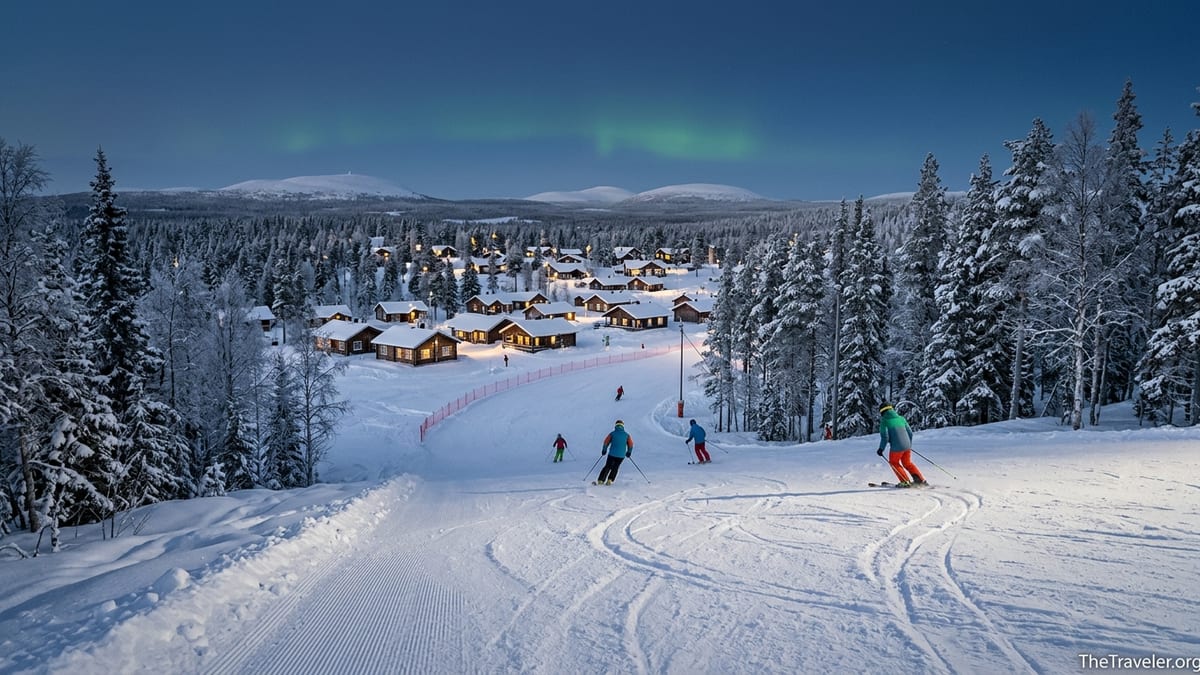
When to Ski Lapland for the Most Reliable Snow
Lapland’s ski season is long by European standards. In the main fells like Levi and Ylläs, lifts often spin from late October until mid May, and the snow cover is typically reliable from November through May. Climate data for northern Finland shows that permanent snow usually arrives in most of Lapland by mid November, and in the far north winter can last until mid May, with average mid-season snow depths around 80 to 120 centimeters. That makes Lapland one of the safest bets in Europe if you are chasing natural snow instead of thin man-made ribbons.
For downhill skiing, the sweet spot for snow conditions and daylight is usually from late January through late March. By that time, early-season thin cover and occasional rain have given way to a firm base and regular top-ups, and you will have more usable hours of daylight than in December. A typical mid February day in Levi might bring temperatures around minus 10 degrees Celsius, dry packed powder on the pistes, and cross-country tracks groomed on a solid base rather than scratchy early-season snow.
If your priority is deep winter atmosphere and Christmas magic over skiing performance, early December in Rovaniemi or Levi can still work. Christmas programs in Rovaniemi usually run from mid November through early January, and Santa-focused packages sell out months in advance. Snow conditions that early can vary, though. Some years you will glide on fresh powder; in others you may rely more on snowmaking and limited open runs, so it is wise to check current snow reports a couple of weeks before you commit to nonrefundable extras.
Late season, from late March into April, often gives the most relaxed ski days. The sun sits higher, the cold can be less biting, and the snowpack is still substantial on the fells. In 2026, for example, skiers in Levi reported excellent cross-country and alpine conditions in mid March, even if river crossings on some tracks became trickier during an unusually warm spell. If you like long, cruisy days and do not mind firmer spring snow in the afternoons, an April Lapland trip can be a smart way to dodge peak prices and crowds while still finding plenty of white.
Choosing the Right Lapland Ski Base
The biggest mistake many first-time visitors make is assuming every Lapland resort offers the same mix of skiing and Arctic activities. In reality, each area has its own personality. Levi, for example, is the largest ski resort in Finland and has a proper little town at the base of the fell, with multiple hotels, cabins, bars and after-ski spots. With a long season and relatively generous snow cover, Levi suits travelers who want varied slopes, a social scene and easy access to tours like husky safaris and aurora hunts.
Ylläs, a little farther from major towns, is often described as more about nature and views than nightlife. It has a reputation among Finnish skiers as one of the best downhill areas in Lapland, with long, fairly quiet runs and big open vistas. You will find far fewer bars than in Levi and a calmer evening scene, which suits families and travelers who want to focus on skiing and cabin life. Several recent visitors have contrasted Ylläs’s tranquility with Levi’s more “big resort” feel, suggesting that party-oriented skiers stick to Levi, while those seeking scenery and a slower pace head to Ylläs.
Saariselkä, near Ivalo, lies farther north and feels more Arctic in character. The downhill area is smaller, but cross-country skiing, winter hiking and aurora watching are outstanding, and you are close to wilderness areas rather than big infrastructure. This is a strong option for travelers who care more about snowshoeing under the northern lights and glass igloo stays than racking up vertical on chairlifts. Pyhä and Luosto, elsewhere in Finnish Lapland, are quieter still, with minimal after-ski and a strong focus on nature.
Rovaniemi, the provincial capital, is not a major downhill destination in itself, but it does offer access to small local hills, Santa Claus Village, the Arktikum museum and a dense cluster of tour operators. Many travelers use Rovaniemi for one or two nights at the start or end of a trip, ticking off Santa, reindeer and museums before heading north to Levi, Ylläs or Saariselkä by bus. A common one-week itinerary might include two nights in Rovaniemi for Santa and city comforts, followed by five nights in Levi or Saariselkä for serious skiing and husky tours.
Getting to Lapland and Moving Between Resorts
For most international travelers, the journey starts with a flight into Helsinki and then a domestic connection or train north. Night trains branded as the Santa Claus Express link Helsinki with Rovaniemi in roughly 12 hours, with departures in the early evening and arrivals the following morning. You can book simple seats, but many visitors choose a private sleeper cabin with bunks and a small bathroom, which doubles as both transport and accommodation for the night and often sells out well in advance during December and school holidays.
Domestic flights connect Helsinki with key Lapland gateways like Kittilä for Levi and Ylläs, Ivalo for Saariselkä and Rovaniemi for the southern part of the region. In winter high season, there are usually multiple daily flights on the Helsinki–Rovaniemi and Helsinki–Kittilä routes. Flying will save you time if you have only a long weekend, while the night train is often preferred by travelers who enjoy the journey itself and want to keep their carbon footprint lower.
Once in Lapland, coaches and regional buses connect major hubs and ski resorts. From Rovaniemi, for example, buses run north to Levi, Saariselkä and Pyhä or Luosto, with typical journey times of around two and a half hours to Levi and longer for the far north. In recent seasons, express bus routes branded specifically for skiers have operated from southern towns up to the biggest ski fells, often timed with weekend changeovers. If you are planning to combine two bases, such as Rovaniemi and Levi, check bus timetables in advance and build travel days into your itinerary.
Car rental is another option, but winter driving in Lapland is not for everyone. Roads in December and January can be icy and dark, with snowbanks and reindeer on rural stretches. Rental cars are usually fitted with winter tires and may include engine heaters, but you will still need to be comfortable with snow conditions, limited daylight and the possibility of temperatures well below zero. For many visitors, especially those staying at full-service resorts or booking guided tours with transfers included, public transport plus occasional taxis is the simpler choice.
Downhill and Cross-Country Skiing: What to Expect
Lapland is not the Alps; the fells are smaller, the tree line lower and the vertical drop less dramatic. What you trade in sheer steepness, you gain in space, snow reliability and a peaceful atmosphere. At Levi, for example, you can lap groomed blue and red runs without long lift queues, even at busy times, and enjoy near-empty slopes on weekday mornings. Snowmaking covers the main pistes, but mid-season you are usually skiing on a blend of man-made and natural snow, with off-piste lines through sparse birch and pine when conditions allow.
Ylläs and Saariselkä offer a similar style of skiing, with gently rolling pistes perfect for intermediates and families rather than aggressive experts chasing couloirs. In many Lapland resorts, green and blue trails snake down wide-open slopes, giving beginners space to build confidence without fear of crowds. Ski schools in Levi, Ylläs and Saariselkä typically run in English and other major languages through the main winter months, so it is realistic to book group lessons for kids or private coaching for adults, especially in February and March.
Where Lapland truly excels is cross-country skiing. Trail networks often span hundreds of kilometers, linking villages, wilderness huts and frozen lakes. In Levi, skiers in March 2026 highlighted how well maintained the tracks were despite an unusually warm spell, with only some river crossings becoming tricky. If you book accommodation near a track entrance, you can ski from your door, stop at a kota hut for sausage grilling over an open fire, and loop back before daylight fades. The snowpack and cooler inland climate mean cross-country often stays good into April, long after lower-altitude areas in central Europe have turned brown.
Lift passes and rental prices vary by resort, but in general Finland sits between budget Eastern European hills and premium Alpine destinations. Expect to pay noticeably less for a week’s pass and gear hire in Levi or Ylläs than you would in top-tier French or Swiss resorts, though prices can climb during Christmas and New Year. Helmet and proper outerwear rental is widely available, but you will be more comfortable bringing your own base layers and mid-layers suited to sub-zero temperatures.
Planning Husky, Reindeer and Aurora Experiences Around Skiing
While you could ski from first chair to last lift every day, most travelers come to Lapland to mix skiing with classic Arctic experiences. Husky safaris, reindeer sleigh rides, snowmobile tours and northern lights hunts can be slotted into your ski week without sacrificing too much slope time, especially if you plan them on arrival or departure days or in the darker evenings.
In Levi, a family-run operator might charge around 139 euros per person for a two-hour self-drive husky sled experience, where you take turns driving the team over a five kilometer trail through the forest. Shorter husky rides closer to one and a half kilometers can cost from around 84 euros, while combined “husky, reindeer and snowmobile” tasters often sit around the same 139 euro mark. In Rovaniemi, current price guides suggest that a mid-range husky safari of six to ten kilometers typically costs roughly 150 to 265 euros per person, with 2 to 3 hours on the trail and warm gear included. Reindeer sleigh rides with a farm visit usually fall in the 120 to 200 euro bracket per adult.
Northern lights tours vary both in style and in cost. Simple group aurora hunts by minibus from Rovaniemi or Levi might start around 75 to 120 euros per person for a 3 to 5 hour outing, sometimes with hot drinks and photography assistance. More premium options, such as small-group tours with unlimited mileage and flexible route choices, cost more but improve your chances of finding clear skies. In Levi, for instance, some operators now offer northern lights tours with partial refunds if no aurora appears, signalling how competitive the marketplace has become and how seriously they take guest expectations.
Reindeer experiences are especially popular with families and travelers who prefer a gentler pace. In the Rovaniemi area, evening reindeer safaris that double as aurora outings can range from just under 90 euros up to more than 250 euros per person depending on distance, meal inclusions and group size. Farm-based visits typically include time to feed the animals, learn about herding traditions and warm up in a wooden kota around the fire. Transport from the city is often included and can make the tour seem expensive at first glance, but arranging a private taxi 25 kilometers out to a farm and back in midwinter usually costs a significant fraction of the tour price anyway.
When building these Arctic experiences into your ski plan, aim for one big activity every day or every other day, not three in a row. Combine a half-day lift ticket with an evening aurora hunt, or ski hard for two days and then take a break with a daytime husky safari. Winter daylight in December and early January is limited, especially north of the Arctic Circle, so evening activities naturally revolve around darkness. In March and April, you can ski in bright sunshine and still chase the northern lights after an early dinner if the forecast cooperates.
Budgeting Smartly for a Lapland Ski Trip
Lapland is not a low-cost destination, but thoughtful planning can help you avoid the worst surprises. Recent cost breakdowns for Rovaniemi suggest that winter activities alone often consume 30 to 40 percent of a typical visitor’s total budget, with husky, reindeer and aurora excursions representing the biggest single expenses. Husky safaris in 2026 commonly fall in the 120 to 350 euro range per person, with shorter sampler rides at the lower end and long, premium safaris at the top. Snowmobile tours, especially night-time aurora rides, often cost around 130 to 160 euros per person for a few hours on the trails.
Accommodation prices depend strongly on timing. A standard hotel room in Rovaniemi or Levi may cost substantially more during Christmas week, New Year and European school holidays than in late January or mid March. Some packaged Christmas programs in Rovaniemi run from mid November to early January and bundle lodging, meals and activities into a single per-person rate that looks high but includes reindeer rides, Santa visits and guided excursions. Outside these dates, you can often save by booking accommodation directly and choosing only the activities you most care about.
Food and drink in Lapland are generally a little more expensive than in many parts of Europe, but breakfasts are often included in hotel rates, and self-catering cabins help keep restaurant costs in check. Many skiers stock up at supermarkets in Rovaniemi, Kittilä or Ivalo before heading to cabins in Levi, Ylläs or Saariselkä, then treat themselves to après-ski dinners a few nights a week. A further money saver is to book tours directly with local operators rather than through large international resellers, which a number of travelers report adding 20 to 40 percent markups for the same husky or reindeer farm experiences.
Finally, remember that some Lapland “extras” are effectively free if you plan them yourself. Cross-country ski tracks are often publicly accessible, with modest fees if you need equipment rental but no ticket barrier on the trails. Aurora viewing can be done independently if you are staying away from town lights, checking forecasts and dressing properly for hours outside. Saunas are a staple of Finnish life, and many hotels and cabins include them in the nightly rate. Building a few self-guided experiences around your paid tours can stretch your budget while still delivering a rich Arctic week.
Practical Tips for Staying Comfortable in Arctic Conditions
Good snow is only enjoyable if you are warm enough to appreciate it. Lapland’s winter temperatures can range from around freezing on mild days to below minus 20 degrees Celsius, with wind and humidity making a big difference. Many tour providers in Rovaniemi, Levi and elsewhere include thermal overalls, boots and mittens in the price of husky, snowmobile and aurora outings. For example, Christmas programs around Rovaniemi commonly advertise that they provide winter clothing and boots as part of the package from mid November through early January.
Even so, you will be happiest if you bring a solid layering system for both skiing and tours. That means moisture-wicking base layers, warm mid-layers like fleece or wool, and a waterproof, windproof shell. Cotton is a poor choice because it stays damp and chills you. Hand and toe warmers, thin liner gloves under thick mittens, and a balaclava or buff can all make chairlift rides and husky sledding much more pleasant. Given how often you will be taking out a phone or camera to capture aurora and sled dogs, gloves that allow you to use touchscreens without exposing bare skin are particularly useful.
Daylight and darkness also affect how you plan your ski and tour schedule. In mid December in Rovaniemi, you may only have a few hours of faint daylight, with long twilight periods that give the landscape a blue glow. Further north, the polar night shortens the daylight even more. Resorts respond by lighting pistes for evening skiing and timing husky and reindeer rides to the brightest part of the day. By March, days lengthen quickly, and you can ski in sunshine while still having dark skies after dinner for aurora hunting. Adjust your expectations: it is normal to eat dinner relatively early and wrap up outdoor activities before midnight when temperatures plummet.
Finally, consider travel insurance that covers weather-related disruptions, especially if you are traveling with connecting flights and trains. While Lapland’s infrastructure is accustomed to snow and cold, severe storms can still delay flights or close certain lifts for safety reasons. Being flexible with your daily plan, building some slack into your schedule, and having backup indoor activities such as museum visits or spa time will make your trip feel less stressful if the weather turns against you for a day or two.
The Takeaway
Skiing in Lapland is about more than just chasing perfect corduroy. It is about linking quiet, snow-laden forests, small fell-side towns and age-old Arctic traditions into one coherent winter journey. If you choose your timing carefully, favoring late January to late March for the most reliable combination of snow and daylight, and pick a base that matches your style, whether that is lively Levi, scenic Ylläs or more remote Saariselkä, you can enjoy consistently good skiing without Alpine-style crush.
Build your days around a balance of skiing and signature Arctic experiences. Slot in one or two big-ticket activities such as a husky safari or reindeer farm visit, add an aurora tour or two when the forecast looks promising, and spend the rest of your time on the fells or cross-country tracks. Budget realistically for activities, but remember that simple pleasures like saunas, self-guided aurora watching and forest walks in the snow cost little or nothing once you are there.
Above all, think of Lapland as a place where winter still feels like winter should. The snow sticks, the lights of small villages glow against the dark, and you can end a ski day not just with a drink at the bar but with the crunch of snow underfoot on the way back to your cabin and maybe, if you are lucky, a pale green ribbon of aurora starting to dance overhead.
FAQ
Q1. When is the best month to ski in Lapland for reliable snow and daylight?
Late January to late March usually offers the best combination of deep, reliable snow, more daylight hours and stable cold temperatures for both skiing and tours.
Q2. Which Lapland resort should I choose for my first ski trip?
Levi is a strong first choice thanks to its large ski area, town services and wide range of tours, while Ylläs and Saariselkä suit visitors seeking quieter slopes and more wilderness.
Q3. How many days do I need to combine skiing with husky and reindeer tours?
A one-week trip works well, with two or three full days focused on skiing and two or three days mixing half-day skiing with husky safaris, reindeer visits and aurora outings.
Q4. Are Lapland ski resorts suitable for beginners and families?
Yes. Resorts like Levi, Ylläs and Saariselkä have gentle green and blue runs, English-speaking ski schools and quieter pistes that are ideal for children and first-time skiers.
Q5. How expensive are husky and reindeer experiences in Lapland?
As a guide, expect to pay roughly 120 to 265 euros per person for a mid-length husky safari and around 120 to 200 euros for a reindeer sleigh ride with a farm visit.
Q6. Can I see the northern lights while on a ski holiday in Lapland?
Yes. From roughly September to April, it is often possible to see the northern lights on clear nights, and many ski resorts offer dedicated aurora tours that fit around ski days.
Q7. Do I need to rent a car to get between Rovaniemi and ski resorts like Levi?
No. Regular buses and airport transfers connect Rovaniemi with Levi, Ylläs and Saariselkä, and many tours include transport, so a car is optional rather than essential.
Q8. What kind of clothing do I need for skiing and tours in Lapland?
Bring moisture-wicking base layers, warm mid-layers, a waterproof outer shell, insulated gloves, a hat and proper winter boots, and use layering rather than one very thick coat.
Q9. Is Lapland skiing very different from skiing in the Alps?
Yes. The fells are lower and runs shorter, but slopes are less crowded, snow is generally reliable, and the experience emphasizes quiet forests and Arctic light over big vertical.
Q10. How far in advance should I book trains, flights and activities?
For peak periods like Christmas and February holidays, it is wise to book flights, night trains and key activities several months ahead, while March and April often allow more flexibility.