


More news on this day
A Hueytown man who died after a collision between his vehicle and a freight train at a Jefferson County rail crossing has been publicly identified, focusing fresh attention on rail safety in the Birmingham metro area.
Get the latest news straight to your inbox!
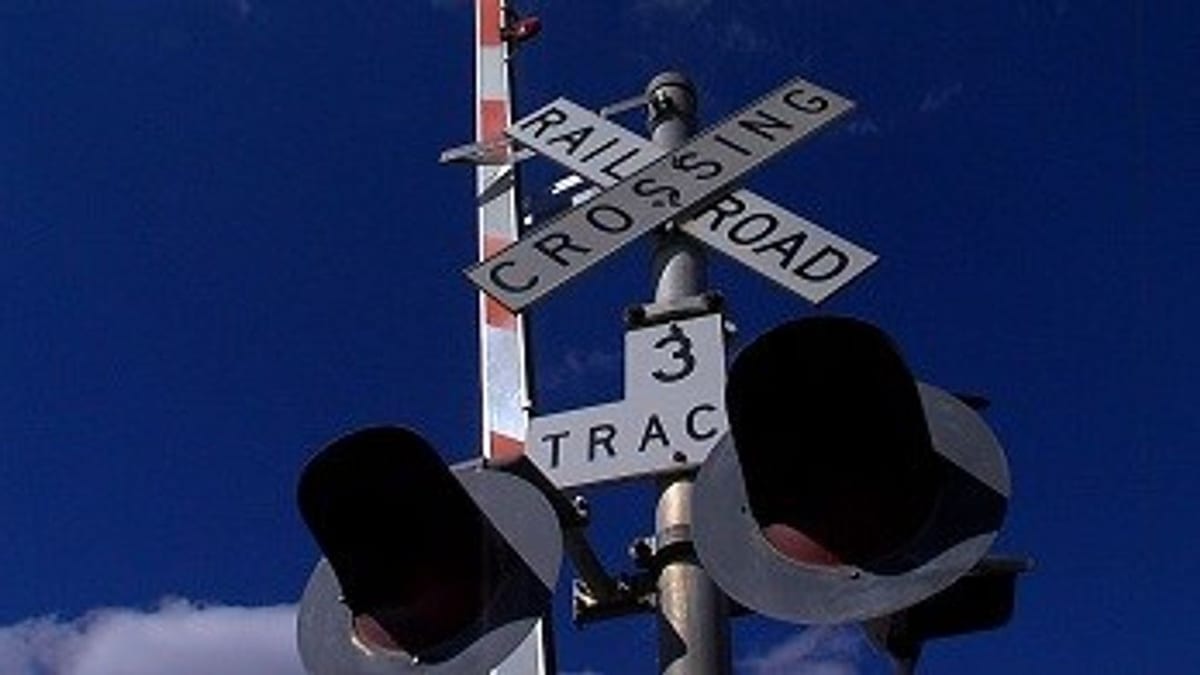
Victim Identified After Fatal Rail Crossing Crash
Publicly available information indicates that the man killed in the collision was a longtime Hueytown resident, identified as an adult male whose name is being shared by local media in the wake of the crash. Reports describe the incident as a violent impact between a train and a passenger vehicle at a grade crossing used frequently by neighborhood traffic.
Initial accounts indicate the crash occurred at a marked crossing where road traffic intersects an active freight line serving the greater Birmingham area. The victim was pronounced dead after the impact, and there were no immediate reports of injuries involving train crew members or bystanders near the scene.
Coverage from regional outlets notes that investigators are reviewing factors such as vehicle speed, sight lines along the tracks, and the operation of crossing protection at the time of the crash. Early descriptions characterize the event as a sudden, devastating collision that left the vehicle heavily damaged and halted rail traffic for an extended period.
The identification of the Hueytown man has led to expressions of sympathy across the community, with friends, neighbors, and co-workers acknowledging the loss of a familiar local figure. Publicly posted messages emphasize the shock of losing a community member in circumstances that unfolded within minutes along a route many residents use daily.
Details Emerge From the Scene of the Collision
According to published coverage, the collision happened at a crossing situated along a corridor that carries regular freight traffic across the western side of Jefferson County. The roadway, which links local neighborhoods with nearby commercial areas and regional highways, sees steady traffic throughout the day.
Witness descriptions and early summaries suggest that the vehicle was on or near the tracks at the moment the freight train approached. Investigators are working from photographs, track data, and statements gathered after the crash to reconstruct how long the vehicle was positioned at the crossing, and whether there was time for evasive action.
Publicly shared images from the aftermath show damaged rail infrastructure and debris in the vicinity of the crossing, alongside emergency vehicles that converged on the scene. Train operations in the area were temporarily suspended, leading to delays along the route as rail operators coordinated the removal of the vehicle and safety checks on the line.
Local reporting notes that weather conditions at the time were typical for the season, with no immediate indications that rain or low visibility were primary factors. The focus of the reconstruction now centers on the interaction between the vehicle and the crossing controls, the speed and braking distance of the oncoming train, and any decisions made in the seconds before impact.
Rail Safety Background in the Birmingham Region
The fatality involving the Hueytown man underscores a broader safety concern at rail crossings throughout Alabama and the Southeast. Public data from transportation agencies consistently show that collisions between trains and road vehicles are more likely to result in serious injury or death than many other types of crashes, due to the size and stopping distance of freight trains.
The Birmingham metro area, built around an extensive network of freight lines, records regular freight movements through suburban communities like Hueytown, Bessemer, and neighboring cities. Grade crossings in these communities range from major intersections with active warning gates and lights to smaller roads where protection may be more limited, depending on traffic volume and historical collision patterns.
Safety campaigns promoted by rail operators and state agencies generally emphasize core guidance for drivers: never attempt to beat a train through a crossing, avoid stopping on the tracks, and treat warning lights or gates as indications that a train is closer than it may appear. They also stress that trains require far greater distance than passenger vehicles to come to a complete stop, especially when hauling long lines of freight cars.
In past years, regional awareness efforts have encouraged drivers in central Alabama to take extra caution at crossings that curve or pass through wooded or industrial areas where lines of sight can be limited. Advocates argue that collisions like the one that claimed the life of the Hueytown man show how quickly routine trips can turn tragic when a vehicle and train converge at the same place and time.
Investigation and Possible Safety Review
In the wake of the collision, local law enforcement and rail company representatives are conducting parallel inquiries into what happened at the Hueytown-area crossing. Publicly available information shows that such investigations typically review train event recorders, radio communications, and physical evidence from the tracks and roadway, alongside statements from anyone who witnessed the crash or its immediate aftermath.
These inquiries often aim to determine whether any traffic violations, equipment malfunctions, or environmental factors contributed to the collision. In some cases, the findings can influence whether additional signage, updated signal technology, or roadway reconfiguration is recommended for a crossing that has seen a serious crash.
Transportation analysts note that fatal incidents also feed into statewide and federal data that help prioritize safety improvements, such as upgraded gates, improved lighting, or the re-routing of roads where feasible. When a crash involves a death, the timeline for collecting and analyzing information can stretch over weeks or months, as investigators seek to ensure that conclusions are based on a full record of what occurred.
In the short term, residents who drive the affected route are likely to see visible signs of the investigation, including markings on the pavement, inspection crews along the right-of-way, and intermittent train slowdowns in the immediate vicinity of the crossing. Those measures generally remain in place until investigators and rail operators are confident that normal operations can safely resume.
Community Response and Ongoing Concerns
The death of the Hueytown man has prompted an outpouring of concern on social media and in neighborhood forums, where residents have shared condolences and recounted their own close calls at rail crossings around Jefferson County. Some contributors describe slowing or stopping more carefully near particular intersections after hearing about the crash.
Faith communities, civic groups, and local organizations often step in to provide support to families affected by sudden loss, and observers expect similar efforts in this case. Even as investigators continue to examine the technical circumstances of the collision, community members are focusing on practical steps they can take to improve their own habits at crossings they use every day.
Public discussion has also touched on the challenges of balancing the economic importance of freight rail to the Birmingham region with the need for safe integration of rail lines into residential and commercial landscapes. Suggestions range from enhanced public education campaigns to incremental infrastructure upgrades at crossings that see a combination of high vehicle volumes and frequent train traffic.
For Hueytown and nearby communities, the identification of the man killed in the train collision is both a deeply personal loss and a reminder of the risks associated with sharing transportation corridors with heavy rail. As formal findings slowly emerge, many residents are using this moment to reconsider how they approach rail crossings and to advocate for measures they believe could prevent future tragedies.