


When you see Post Office Travel Insurance advertised between passport applications and currency exchange, it is easy to assume it is just a convenient but fairly average option. I thought the same, until I sat down to compare its latest cover levels and real prices with other big UK brands for trips in 2026. The results were not what I expected at all.
Get the latest updates straight to your inbox!
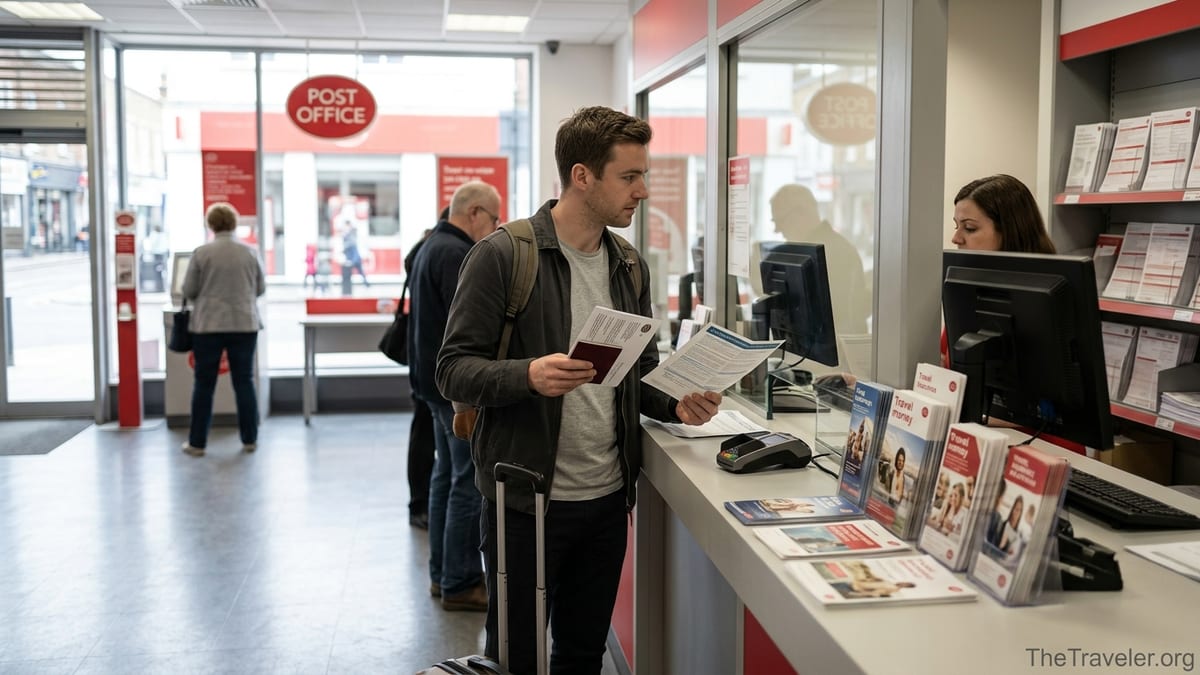
What Post Office Travel Insurance Actually Offers in 2026
Post Office Travel Insurance has quietly become one of the UK’s more fully featured high street policies, particularly at its top tier. The core offering is split into three main levels of cover on most products: Economy, Standard and Premier, across single trip, annual multi-trip and backpacker policies. For many travellers the big headline is medical cover. On a typical 2026 Premier policy, medical and repatriation cover can reach up to around £10 million on single trip and backpacker products, and up to a stated £15 million on some annual multi-trip versions, which is at the upper end of the UK market for mainstream brands.
The insurer behind the scenes is a specialist provider and the policy wording was refreshed in late 2023 and March 2026 for several products, so the terms you see today are not the same as those people bought years ago. That update brought Post Office’s cover into line with current industry norms, especially around Covid, cruises and pre-existing conditions. All current policies include at least some Covid-related medical and curtailment cover as standard, treating Covid much like any other illness if you fall sick during your trip.
One thing that consistently stands out is that Post Office has continued to win consumer awards. It has been recognised multiple times at the MoneyFacts Awards and Your Money Awards in recent years, with its Premier level typically carrying a 5-star rating from the research firm Defaqto. That does not guarantee it is the best option for every trip, but it signals that the overall mix of cover, price and customer feedback is competitive compared with similar UK policies in 2026.
In practice, what this means is that a standard British holidaymaker taking a summer break to Spain or Greece can often arrange a policy that comfortably clears the key benchmarks experts recommend: at least £5 million medical cover, £2,000 to £5,000 cancellation, and decent baggage protection. Post Office meets or exceeds those figures on its mid and top tiers, though the entry-level Economy option can be considerably more stripped back.
The Surprises When You Compare Cover Levels Side by Side
The first surprise when I compared Post Office with rival names like AA Travel Insurance and several comparison-site favourites was how wide the gap is between its Economy and Premier tiers. Look at the policy summary and you will see that Economy may offer relatively low or even no cover for personal possessions, limited cancellation amounts and higher excesses. Step up to Premier and cancellation limits jump to around £5,000, baggage limits increase, and the excess can be as low as £50, which is more generous than some similarly priced competitors.
For example, one recent Post Office single-trip policy document for Bronze, Silver and Gold style tiers (names used for certain products like backpacker) shows how sharply the benefits scale. A Bronze-style option might offer £2 million in emergency medical cover and no cover at all for personal possessions. A mid-range Silver level can raise medical limits to around £5 million and introduce up to about £1,500 of baggage cover. At the top Gold or Premier style level, medical cover reaches £10 million and baggage cover climbs to around £2,000 with higher single-item limits and better travel disruption protection. That kind of spread means the cheapest quote can be far less comprehensive than travellers assume.
The second surprise is that while Post Office’s medical cover is very strong, its entry-level baggage and money protection can lag behind expectations unless you move up a tier. Rival policies from some specialist brands sometimes include baggage at all levels by default, whereas the budget Post Office option is clearly built to hit a low headline price rather than to be all-inclusive. That is not a flaw in itself, but it means you need to pay close attention to the policy schedule instead of assuming every tier works in the same way.
Yet the biggest positive surprise came when comparing real quotes for a typical one-week summer holiday in 2026. For a couple in their 40s travelling to Portugal, a Premier level Post Office single-trip policy often came out only a few pounds more expensive than the leaner Standard or Economy options, and within a few pounds of rival policies that offered lower medical limits. In some comparisons, third-party brokers found that specialist sites could still beat Post Office on price for similar cover, but not by a dramatic margin. The message is clear: at the top tier, Post Office may not be the absolute cheapest, but the difference can be small enough that the stronger limits feel like good value.
Real-World Scenarios: When Post Office Cover Helps, and When It Does Not
Insurance only proves itself when something actually goes wrong, so I looked at how Post Office’s structure would play out in real situations. Imagine a family of four from Manchester heading to Florida in August. On a Premier annual multi-trip policy they would typically get up to £15 million of medical cover. If one parent were admitted to hospital in Orlando after an accident at a theme park, the combination of US emergency room fees, surgery and a possible air ambulance back to the UK could realistically reach six figures. In this scenario, the high medical ceiling becomes more than just a number; it is the difference between a stressful claim and a financial disaster.
Now consider a very different case: a budget weekend in Prague with only hand luggage. A traveller picks the cheapest Post Office Economy policy they find on a comparison site for under £10. Midway through the trip, their airline misdirects their carry-on bag during the return leg and it arrives 48 hours later. If the policy’s baggage cover is minimal or missing at that level, the traveller may have almost no recourse for the cost of replacing essential items or clothes. Another insurer’s basic policy might have included at least £1,000 of baggage protection, so in this instance the hunt for the lowest price could backfire.
There are also edge cases around delays and disruption. Suppose you are booked on a cruise around the Greek islands and summer wildfires force the line to change ports or cancel several stops. Higher-tier Post Office policies increasingly offer a “trip disruption” style benefit, including cover for natural catastrophes or airspace closure, and there is specific optional cruise cover you can add if you are spending significant time at sea. Those supplements can help with missed ports, missed excursions and cabin confinement compensation. But if you had stuck with a basic Economy policy and skipped cruise cover altogether, you might find that many cruise-specific issues are excluded.
Covid is a further example. Most 2026 policies, including Post Office’s, now treat Covid like other illnesses for emergency medical treatment and trip curtailment if you fall ill while abroad. However, cover is typically more limited for cancellation if you decide not to travel because of general Covid worries or new restrictions, unless your policy explicitly lists those triggers. Travellers who assume any pandemic-related change will be covered may discover too late that only a narrower set of scenarios, such as testing positive before travel or government advice changing, are eligible.
Pricing: Where Post Office Sits in Today’s Market
Price is the third big surprise. Based on recent independent reviews and sample quotes in 2026, Post Office is rarely the very cheapest option for any given trip, but it is often competitive when you look at what you receive in return. A HelloSafe analysis of Post Office Travel Insurance, for instance, found that for common destinations the entry-level price was modest while the cost of upgrading to the most comprehensive medical cover was relatively small, narrowing the gap between basic and premium protection.
To put that into real numbers, take a 35-year-old solo traveller planning two short city breaks and one beach holiday in Europe over the next 12 months. On comparison sites, an Economy annual multi-trip policy from a range of insurers might start from around £20 to £25, with cancellation limits of £1,000 or less and £3 million medical cover. A Standard or Premier level Post Office policy could come in at around £35 to £50, depending on exact options and destination bands, yet offers £10 million to £15 million medical cover and up to £5,000 cancellation. That makes Post Office more of a solid mid-market player than a bargain-basement brand.
Where some travellers may feel surprised is in the cost of optional extras. Adding winter sports cover for a week’s skiing, for example, can materially increase the premium, though this is true across the industry. Post Office’s pricing for add-ons like ski, cruise, gadget or enhanced Covid cover is usually middle of the pack rather than rock-bottom. That said, the ability to bolt those options on to a single annual policy can be good value if you know you will ski or cruise at least once a year, compared with buying separate specialist policies each time.
Another notable angle is cover for families. Post Office often allows children to be covered for free when travelling with insured adults on certain products, especially at the Premier level. For a couple with two children under 18, an annual multi-trip policy that allows this can significantly undercut the cost of four separate budget policies that charge per person. In real terms, that can be the difference between paying roughly £60 to £80 with a mainstream brand that includes free kids, and closer to £100 or more across several no-frills policies with lower protection.
Pre-Existing Conditions, Covid and Fine Print You Should Not Ignore
One reason Post Office draws mixed but often positive feedback online is its approach to pre-existing medical conditions. The brand actively signals that many pre-existing conditions can be covered, provided you declare them during the screening process and accept any extra premium or terms. In practice this means that common issues such as high blood pressure, well-controlled asthma or past minor surgery can often be covered without huge additional cost, whereas some rival policies may refuse cover or exclude them outright.
However, the fine print still matters. Conditions that are more serious or unstable, such as recent heart problems, cancer treatment or complex mental health issues, may require more detailed medical screening and can lead to higher prices or specific exclusions. Online reviews on consumer platforms highlight cases where travellers appreciated being able to get cover at all from Post Office when other brands had turned them away. At the same time, there are complaints from some customers who discovered, often during a claim, that a seemingly minor undeclared condition counted as pre-existing and invalidated part of the cover.
Covid has its own nuances. While Post Office now treats Covid in a similar way to any other illness once you are abroad, cancellation before travel due to Covid is usually limited to more defined circumstances, such as you or a close relative testing positive within a certain timeframe, or being required to self-isolate according to local guidance. If a new variant emerges and you simply decide you no longer feel comfortable travelling, you should not automatically expect a payout. Only policies that explicitly include “cancel for any reason” (which are rare in the UK) would typically cover such a change of heart.
Then there are the general exclusions that often catch people out: alcohol-related incidents, travelling against official Foreign Office advice, and reckless or high-risk activities done without the proper add-ons. Post Office is no different here. If you injure yourself skiing off-piste without having paid for winter sports cover, or you ignore a specific travel advisory, you should not expect sympathy at claims stage. The lesson is that convenience at the Post Office counter or on a quick online form does not remove the need to read the schedule and understand what you are buying.
How Post Office Stacks Up Against Big-Name Competitors
To see the true shape of Post Office Travel Insurance, it helps to set it beside rivals like AA Travel Insurance, InsureandGo and a selection of comparison-site favourites. In 2026 reviews, the AA positions itself similarly as a familiar brand offering tiered cover levels with strong medical limits. Some AA policies, however, may not match the highest cancellation or baggage limits found on Post Office’s Premier tier at a comparable price, although specific quotes depend heavily on destination, age and dates.
InsureandGo and other online-focused insurers often compete aggressively on price, especially for younger travellers and short European trips. In some sample cases these brands undercut Post Office by several pounds for similar limits on paper. Yet independent reviewers have also noted that customer service scores, claims turnaround times and clarity of wording can vary notably between low-cost providers, and that Post Office has recently scored better than some of the cheapest options on overall customer satisfaction.
Comparing real-world feedback, there is a split. On platforms that aggregate reviews for travel insurance, you find plenty of customers praising smooth Post Office claims after medical emergencies abroad or trip cancellations due to illness. Others, though, complain of delays or disputes over technicalities, often where documentation was incomplete or a condition had not been declared in full. This pattern is not unique to Post Office; it is common across the sector. What stands out is that, relative to its huge customer base, Post Office continues to attract awards and positive expert reviews, which suggests its performance is at least in line with, and sometimes ahead of, other household-name providers.
For frequent travellers, another comparison point is trip length. Post Office annual policies typically cover an unlimited number of trips in a year, with a maximum duration per trip that varies by cover level and optional extensions. Common limits are 31 days per trip as standard, with paid upgrades to 45 or 60 days. Some specialist providers offer longer maximum trip lengths but may charge more or focus on particular traveller types such as digital nomads. If your travels fit the more classic pattern of two or three holidays a year of up to a month each, Post Office’s structure will be more than sufficient.
The Takeaway
After diving into the latest policy documents, expert reviews and real customer experiences, I came away with a different view of Post Office Travel Insurance than I had going in. This is not just the convenient option you pick because you happened to be in a branch; at its Premier level it is a serious, well-rounded policy with high medical limits, solid cancellation cover and a good spread of optional extras for cruises, winter sports and gadgets.
The main caveat is that the cheapest Economy-style versions can be leaner than many travellers expect, especially on baggage and disruption cover. If you choose Post Office purely on price without checking which level you are buying, you may be surprised for the wrong reasons if you ever need to claim. On the other hand, stepping up one or two tiers often costs less than a single nice dinner on holiday and can transform the policy from basic to robust.
In 2026’s crowded travel insurance market, Post Office sits firmly in the credible middle, with flashes of strength at the top end: particularly strong medical cover, family-friendly options and a decent record on pre-existing condition screening. If you are willing to read the fine print and avoid the rock-bottom tier when you need more than minimal protection, you may find, as I did, that you did not expect this level of cover from a brand you mostly associate with postage and passports.
FAQ
Q1. Is Post Office Travel Insurance good value compared with other UK insurers?
In many real-world examples, Post Office is not the absolute cheapest but offers strong medical cover and solid cancellation limits for a mid-range price, especially at its Premier level.
Q2. What medical cover limits can I get with Post Office Travel Insurance?
Depending on the product and level, medical and repatriation cover typically ranges from around £2 million on basic tiers up to about £10 million or even £15 million on higher-level annual policies.
Q3. Does Post Office Travel Insurance cover Covid-related issues?
Current policies generally treat Covid like other illnesses for medical treatment and trip curtailment abroad, with more limited but still defined cover for cancellation if you test positive before departure.
Q4. Are pre-existing medical conditions covered?
Many pre-existing conditions can be covered if you declare them during screening and accept any extra premium or terms, but more serious or unstable conditions may be excluded or priced higher.
Q5. How does Post Office’s baggage cover compare to other insurers?
On mid and top tiers, baggage cover is competitive, often around £1,500 to £2,000, but on some Economy-style options possessions cover can be minimal or absent, so checking your level is essential.
Q6. Is Post Office Travel Insurance a good choice for families?
Yes, particularly because certain policies allow children to be covered for free when travelling with insured adults, which can work out cheaper than buying several low-cost individual policies.
Q7. Do I need extra cover for skiing or snowboarding?
Yes. Winter sports are usually an optional add-on. Without paying for that extra, injuries or issues that occur while skiing or snowboarding may not be covered, especially off-piste.
Q8. What about cruises? Does Post Office offer specific cruise cover?
Post Office offers dedicated cruise cover as an add-on, which can protect against missed ports, missed excursions, cabin confinement and some forms of disruption that standard cover might not fully address.
Q9. How long can each trip last under an annual multi-trip policy?
Trip length limits vary by cover level but are commonly around 31 days per trip as standard, with paid options to extend this to 45 or 60 days for longer holidays.
Q10. Is it better to buy Post Office Travel Insurance online or in a branch?
Buying online usually makes it easier to compare levels and read full documents, while a branch visit offers in-person convenience. In both cases, the key is to focus on cover levels rather than just price.