


More news on this day
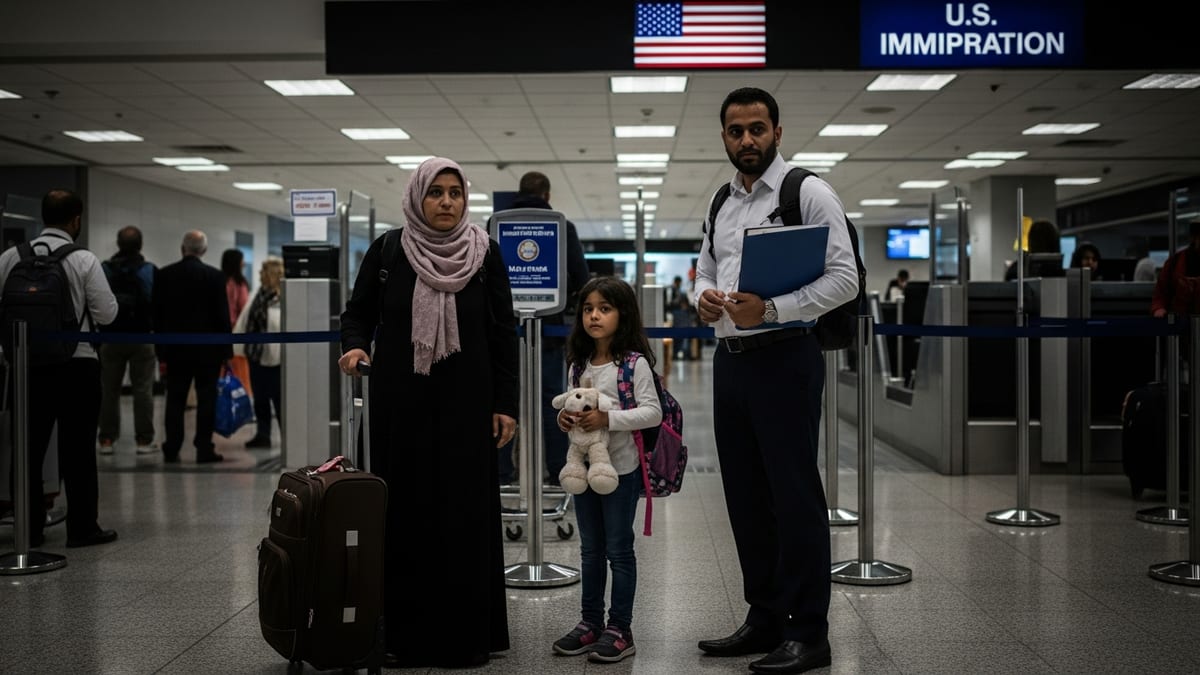
Immigration-related arrests at major airports appear to be climbing as U.S. enforcement agencies tighten screening of international travelers, creating a more uncertain arrival experience for visitors, permanent residents, and some U.S. citizens subjected to secondary inspection.
Get the latest news straight to your inbox!
Enforcement Shifts From Border Crossings to Ports of Entry
Publicly available enforcement data and recent analytical reports indicate a broader shift in U.S. immigration control, from an overwhelming focus on irregular crossings between ports of entry to increased scrutiny at airports and other official gateways. While the majority of encounters still occur along the southwest land border, fiscal year summaries show a growing share of arrests now originate at ports of entry, where Customs and Border Protection officers manage primary and secondary inspection of arriving passengers.
Analysts point to several factors behind the trend. As pandemic-era public health expulsions ended in 2023, policies reverted to more traditional immigration processing, with a greater emphasis on formal arrests and removals rather than rapid turn-backs. At the same time, interior enforcement by Immigration and Customs Enforcement has intensified since early 2025, and observers note that airports are often where existing warrants, previous removal orders, or unresolved immigration violations are first detected when travelers attempt to leave or reenter the country.
Research by nonpartisan data projects tracking federal enforcement suggests that overall immigration arrests have rebounded from earlier declines, with authorities carrying out more deportations following arrest. Although nationwide statistics do not always isolate airports as a separate category, advocates and legal observers at major hubs report a noticeable increase in travelers being taken into custody during secondary inspections, particularly those with prior immigration histories or minor criminal records.
Who Is Being Stopped at the Airport
Reports from legal aid organizations, traveler accounts, and case summaries reviewed in recent months suggest that those most at risk of airport arrests include noncitizens with past removal orders, individuals who overstayed visas, and lawful permanent residents with certain criminal convictions in their history. In many instances, people are detained after a routine scan of shared databases flags an old immigration case, sometimes years after the initial encounter.
Publicly accessible data on “criminal alien” arrests along U.S. borders shows that only a small share of all people apprehended have prior criminal convictions, yet enforcement resources increasingly prioritize those cases. At airports, this focus can translate into targeted questioning and detention of travelers whose records include any prior contact with immigration or criminal systems, even for nonviolent or lower-level offenses.
Advocacy groups warn that people with legitimate legal claims or pending applications are also being caught up in the net. For example, travelers who left the United States while asylum or other protection claims were still unresolved have been detained on return, as have some individuals who believed they had resolved their status through marriage-based or employment-based petitions. Because airport screenings are time-sensitive and occur in controlled spaces, detained travelers often have limited immediate access to counsel, adding to the sense of vulnerability.
Global Travel Rebounds as Screening Intensifies
The apparent rise in airport arrests is taking place just as international air travel volumes approach or surpass pre-pandemic levels. Aviation and travel data show that passenger flows through major U.S. hubs have grown steadily since 2023, with more flights, fuller planes, and a return of long-haul international routes. For immigration authorities, this means more people passing through inspection lines every day, many of them first-time visitors or returning residents whose records must be checked in real time.
Government accountability reports on port-of-entry operations describe multiple efforts to modernize and speed up screening, from facial recognition kiosks to automated document checks. Yet these same technologies can also make it easier to match travelers with historical immigration files and outstanding removal orders, leading to more enforcement actions in the arrival halls. Observers note that even small increases in the percentage of passengers referred to secondary inspection can translate into significant numbers of arrests when multiplied across tens of millions of annual arrivals.
Airport authorities and airlines are simultaneously under pressure to move passengers quickly through customs and immigration to avoid congestion in terminals. This tension between efficiency and enforcement frequently surfaces in traveler accounts, in which some describe being whisked through automated gates while others are pulled aside for lengthy questioning, device searches, or detention. For those detained, what begins as a reasonably predictable arrival can end with immediate transfer to immigration holding facilities.
Legal Risks for Travelers and the Tourism Industry
For individual travelers, the growing likelihood of enforcement action at airports adds a layer of legal risk to international trips. Immigration attorneys advise noncitizens with any prior contact with enforcement agencies to carefully review their status before flying, especially if they have old removal orders, unresolved court cases, or criminal records that might affect admissibility. Travelers with pending immigration applications are often encouraged to seek legal advice before departing the country, since reentry can trigger a review of their entire file.
Concerns extend to the travel and tourism industry as well. Airports in gateway cities depend heavily on international visitors, many of whom are tourists or business travelers with no prior connection to the U.S. immigration system. Tourism boards worry that widely publicized cases of travelers detained at airports, even when relatively rare in percentage terms, can create a perception of unpredictability that discourages visits and conferences. Industry groups argue that clear communication about entry rules and better pre-travel screening could help reduce last-minute detentions at arrival gates.
At the same time, a more aggressive posture at airports may encourage some travelers with unresolved immigration histories to avoid international trips altogether, out of fear that departure or return will trigger arrest. Analysts caution that this can have ripple effects on cross-border business ties and family visits, especially in diaspora communities that traditionally travel frequently between the United States and countries of origin.
Rights, Transparency, and Calls for Data
Civil liberties organizations and immigrant rights advocates have responded to the reported increase in airport arrests with renewed calls for transparency and more detailed public data. While federal agencies regularly publish statistics on encounters and apprehensions between ports of entry, comparable figures for arrests made at airports are more limited or embedded within broader categories, making it difficult for the public to track trends specific to aviation hubs.
Advocates are urging clearer reporting on how many people are being arrested at airports, the grounds for those arrests, and the outcomes of subsequent proceedings. They also seek information on how long travelers are held, whether they are given timely access to interpreters and legal assistance, and what safeguards exist to protect vulnerable individuals, including unaccompanied minors, survivors of trafficking, and those expressing fear of persecution.
Legal experts emphasize that travelers, including many noncitizens, retain certain rights during airport inspections, although these rights are more limited at the border than in the interior of the country. Public-facing education campaigns encourage passengers to understand what questions they must answer, when they may request legal assistance, and how to document their experiences for later review. For now, as enforcement tools grow more sophisticated and international travel volumes continue to rise, arriving at a U.S. airport with an immigration history increasingly carries the possibility that a routine trip could turn into an arrest.