

More news on this day
Two Indian crew members are among almost 150 people stranded aboard the expedition cruise ship MV Hondius after a deadly hantavirus outbreak in the Atlantic Ocean left three passengers dead and several others infected, according to recent media reports from India and international outlets.
Get the latest news straight to your inbox!
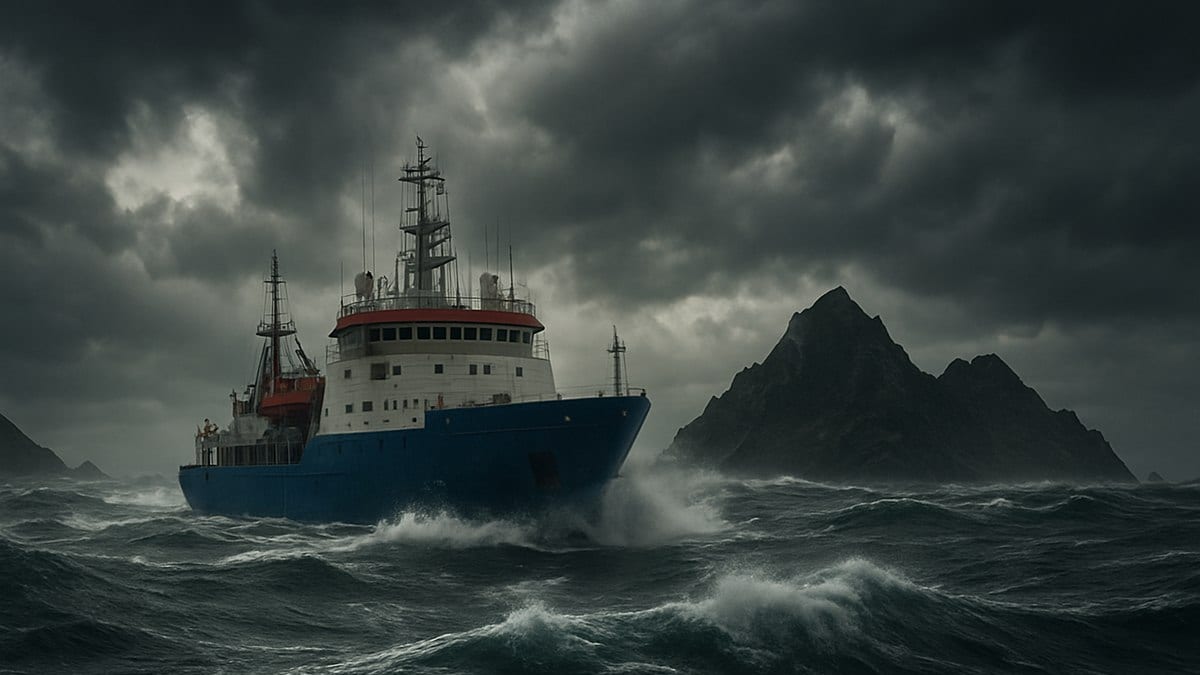
Indian Nationals Caught in Mid-Ocean Health Emergency
Coverage from Indian media indicates that at least two Indian crew members remain aboard the Dutch-operated MV Hondius, which has been anchored off the coast of West Africa following the detection of multiple hantavirus cases among passengers and crew. Their exact medical status has not been publicly detailed, but they are understood to be part of the reduced complement still confined to the vessel while health assessments continue.
Reports describe a complex picture in which different nationalities are affected in varying ways. Philippine officials have stated that dozens of Filipino crew members have tested negative, while Indian coverage highlights anxiety among families at home who are seeking clarity on the condition of the two Indians serving on the ship. Publicly available information suggests that crew from Asia, Europe and Latin America are all subject to close monitoring as health teams work to map possible exposure.
The presence of Indian crew on a high-profile international expedition vessel underlines how global the cruise and maritime workforce has become. For many Indian seafarers, long contracts on foreign-flagged ships are routine, but the sudden emergence of a rare virus in a confined environment has turned a standard posting into a prolonged medical and logistical ordeal far from home.
While there is no indication so far that the Indian crew members are among the confirmed or suspected hantavirus cases, the slow-moving nature of the evacuation and investigation means their families could be waiting weeks for definitive clearance. Indian coverage notes that the episode has sparked fresh calls for clearer communication protocols between cruise operators, flag states and workers’ home countries in the event of outbreaks at sea.
From Antarctic Adventure to Quarantine Flashpoint
The MV Hondius had been marketed as a polar and South Atlantic nature expedition, departing from Ushuaia in southern Argentina at the start of April with more than a hundred guests hoping to visit Antarctica, remote islands and rich birdlife habitats. Passengers from Europe, North America and Asia joined seasoned expedition guides and an international crew on a voyage billed as a once-in-a-lifetime journey through some of the world’s most isolated waters.
According to published timelines, the first fatal illness on board was recorded in mid-April, with the body later disembarked on the remote island of Saint Helena before the cruise continued north. Only in early May did the pattern of additional severe illnesses prompt wider suspicion of a hantavirus outbreak, transforming the ship from an ice-capable adventure vessel into a quarantined setting under intense global scrutiny.
Subsequent analyses in outlets such as The Guardian and Le Monde, drawing on official briefings and scientific commentary, have pieced together a likely origin involving a passenger who had traveled in southern Argentina before joining the cruise. Visual reconstructions published in the Spanish press suggest that participation in birdwatching excursions and contact with rodent-contaminated environments around Ushuaia may have provided the initial exposure point before the ship ever left port.
By the time the Hondius reached waters near Cape Verde, at least eight suspected or confirmed hantavirus cases had been identified and three passengers had died. The ship was unable to dock in Cape Verde, according to international coverage, and instead remained offshore while destination countries debated how to receive a vessel associated with a rare and potentially lethal infection.
Deadly Andes Hantavirus Raises Alarm Beyond the Ship
Health-focused publications and regional newspapers report that the strain linked to the Hondius cluster is believed to be the Andes virus, a hantavirus type associated primarily with South America. Unlike many other hantaviruses that spread only from rodents to humans, this variant has been documented as capable of limited person-to-person transmission, typically among close contacts such as family members or intimate partners.
Scientific experts cited in coverage by the Los Angeles Times, Smithsonian Magazine and fact-checking sites note that Andes virus infections often lead to hantavirus cardiopulmonary syndrome, a condition marked by flu-like symptoms that can rapidly progress to respiratory failure and shock. Published fatality estimates for related hantaviruses can reach 30 to 50 percent in severe cases, though outcomes vary depending on early detection and intensive care availability.
Publicly accessible briefings from health agencies emphasize that, despite the severity for those directly affected, the broader risk of a pandemic-style spread is considered low. Hantaviruses do not transmit with the ease of respiratory viruses such as influenza or coronavirus; instead, they usually require either exposure to rodent excreta or prolonged close contact with an infected person. Even so, reports of a possible infection linked to air travel with a Hondius passenger have heightened concern that the fallout from the outbreak may not be limited to those who sailed.
The discovery of a suspected human-to-human component in a cruise ship setting has renewed discussion among epidemiologists about how well current maritime health protocols account for less familiar pathogens. Past incidents involving norovirus and COVID-19 already pushed the cruise industry to reinforce onboard surveillance and isolation measures, but the Hondius experience is drawing attention to the challenges posed by rarer zoonotic diseases that present differently and may elude early detection.
Cruise Industry Scrutiny and Passenger Repatriation Efforts
Travel and business media describe a complicated repatriation process for the nearly 150 people originally aboard, involving staged medical evacuations, limited disembarkations at Saint Helena and negotiations with ports in Europe and Africa. Some passengers left the ship before the outbreak had been clearly identified, while others have been taken ashore in small numbers for hospital care or quarantine.
According to widely shared summaries of cruise line statements, the operator has outlined a phased plan to return passengers and crew to their home countries once receiving governments approve entry and appropriate health facilities are in place. These efforts have included coordination with European states, island territories in the South Atlantic and, in the case of Asian nationals such as the Indian and Filipino crew members, their respective embassies and labor agencies.
Travel sector analysts quoted in international coverage suggest that the Hondius incident may prompt regulators to revisit rules governing how and where ships with suspected outbreaks can dock. The refusal by some ports to accept the vessel, even with limited debarkation, exposes persistent gaps in global frameworks designed to balance local public health protection with the humanitarian need to assist sick and stranded travelers.
For the cruise industry, still rebuilding after the COVID-19 downturn, the images of a quarantined expedition vessel in mid-ocean are a sobering reminder that infectious disease risks are not confined to large mass-market ships. Smaller expedition cruises that specialize in remote destinations are marketed on intimacy and access, but those same features can complicate evacuation and treatment options when something goes wrong far from major hospitals.
Indian Concerns Highlight Global Workforce Vulnerabilities
The situation of the Indian crew members on the Hondius has resonated in India, where families of seafarers are closely attuned to developments affecting loved ones serving on faraway vessels. National media reports describe relatives seeking confirmation that their family members are safe and asking whether they will be brought home quickly once the ship is finally allowed to offload remaining crew.
Labor advocates and maritime commentators in India have long pointed to the vulnerability of crew in crisis situations, noting that seafarers may face language barriers, jurisdictional complexity and uneven access to consular support when emergencies unfold in international waters. The Hondius outbreak appears to be reinforcing those concerns, particularly because so much of the early information has emerged piecemeal through foreign media reports rather than direct public communication with families.
Observers also note that the episode may strengthen calls for more detailed health-risk briefings for crew assigned to itineraries that include regions where zoonotic diseases such as hantavirus are known to circulate. While the original exposure in this case likely occurred on land and involved wildlife or rodent-contaminated environments, the subsequent chain of events shows how quickly a localized threat can turn into a complex maritime emergency.
As investigations continue into the precise transmission routes and full case count, the fate of the remaining crew and passengers, including the Indians on board, remains a central focus. Their experience is serving as a stark illustration of how global tourism, wildlife travel and a multinational maritime workforce intersect in ways that can carry hidden health risks, especially when journeys traverse some of the most remote corners of the world.