

More news on this day
Two Indian crew members are among almost 150 people stranded aboard the expedition cruise ship MV Hondius in the Atlantic Ocean after a deadly outbreak of Andes hantavirus that has already claimed three lives and left several others critically ill.
Get the latest news straight to your inbox!
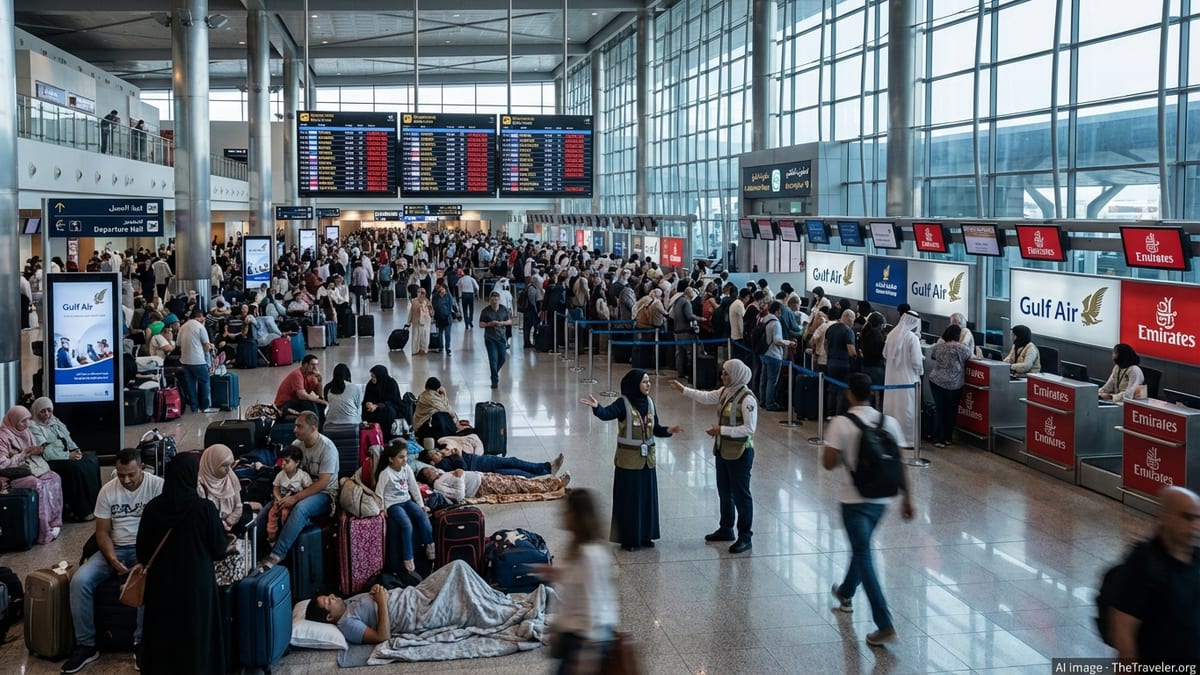
Rare Virus Turns Polar Cruise into Global Health Incident
The MV Hondius, a Dutch-flagged polar expedition vessel, departed Ushuaia in southern Argentina on 1 April for a weeks-long voyage through Antarctic and South Atlantic waters. Publicly available itineraries and operator statements show that 114 guests and several dozen crew set off on what was marketed as a once-in-a-lifetime wildlife and polar adventure.
That trip has now become the focus of international attention after multiple passengers developed sudden respiratory illness later identified as linked to Andes hantavirus, a rare rodent-borne pathogen associated with severe lung infection and high fatality rates. Published coverage from outlets including El País, the Guardian and Le Monde indicates that at least eight people connected to the ship have suspected or confirmed infections, with three deaths reported so far.
The ship is currently anchored off the West African island nation of Cape Verde after local authorities initially raised concerns about receiving the vessel. Tracking data and regional reporting indicate that the Hondius remains offshore while health agencies in several countries trace contacts and monitor returning travelers.
Andes hantavirus is unusual among hantaviruses because it can spread from person to person through close contact with respiratory secretions, intensifying concern about prolonged exposure in the confined environment of a ship at sea.
Indians Among Crew as Evacuations Begin
Coverage from India Today and other Indian outlets reports that at least two Indian nationals are serving as crew members aboard the Hondius and remain on the vessel as of early May. Their exact roles and medical status have not been detailed, but they are understood to be part of the ship’s multinational workforce drawn largely from Asia and Europe.
The same reports indicate that three people, including two crew members of other nationalities, have already been medically evacuated to European hospitals for advanced treatment after their conditions deteriorated. International media accounts describe additional passengers being disembarked in earlier ports or flown out for care as the scale of the outbreak became clearer.
India’s representation in the crew reflects the country’s large presence in the global maritime and cruise workforce. While Indian authorities have not released independent case details, domestic news coverage shows heightened concern among families and officials about the welfare of Indian seafarers and the risk of further spread once the ship eventually docks.
For now, the two Indian crew members reported on board remain part of a reduced complement tasked with keeping essential operations running while the ship sits at anchor under heightened infection-control procedures.
How the MV Hondius Outbreak Unfolded
Timelines compiled by European and Latin American newspapers trace the likely start of the outbreak to a Dutch couple who spent several weeks traveling in Argentina before joining the voyage in Ushuaia. Visual reconstructions published by El País describe their participation in a birdwatching excursion near the city where rodent exposure may have occurred, followed by the onset of symptoms days later while at sea.
By late April, several passengers had developed high fever, cough and breathing difficulties. According to publicly available information from the World Health Organization and national public health agencies, initial alerts referred to “acute respiratory infections” of unknown cause. Subsequent testing by reference laboratories in Europe and Africa identified Andes hantavirus in multiple samples linked to the ship.
Authorities and independent researchers now view prolonged shipboard exposure as a key factor in secondary transmission. Analyses shared by health agencies on the island of Saint Helena and by international experts emphasize that Andes hantavirus, unlike most related viruses, can spread between people in close, poorly ventilated settings, raising the possibility that some infections aboard the Hondius did not come directly from rodents.
Investigations are still under way to determine the exact number of primary and secondary cases, including those who disembarked at earlier ports or flew home before the outbreak was recognized. Published figures from WHO briefings suggest that several countries in Europe, North America and South America are monitoring returnees for up to eight weeks, the outer limit of the virus’s incubation period.
Global Scrutiny of Cruise Health Protocols
The Hondius incident has revived difficult memories of the early months of the COVID-19 pandemic, when several cruise ships became symbols of how quickly respiratory infections can spread in closed environments. Travel and health commentators note that the Hondius is a much smaller expedition vessel compared with mass-market cruise liners, yet its outbreak has still produced a complex, multinational public health response.
According to coverage by major European outlets and specialized travel media, the ship’s operator had infectious-disease protocols in place in line with post-COVID industry standards, including onboard medical staff, isolation cabins and liaison with shore-based health authorities. The severity and rarity of Andes hantavirus, along with the difficulty of diagnosing early symptoms that resemble influenza, appear to have complicated detection and response.
Public information from the World Health Organization and national health agencies stresses that no licensed vaccine or specific antiviral treatment for Andes hantavirus currently exists. Care focuses on early recognition, intensive respiratory support and careful fluid management, which typically can only be provided in well-equipped hospitals rather than at sea.
As details of the Hondius investigation emerge, analysts expect regulators and cruise lines operating in remote regions such as Antarctica, Patagonia and the South Atlantic to reassess pre-boarding screening, onshore excursion risk assessments and contingency planning for rare but high-consequence infections.
Repatriation, Travel Advisories and Next Steps
Operator statements relayed in international media indicate that around 30 passengers of various nationalities disembarked on the island of Saint Helena in late April, before the outbreak had been formally identified. Health authorities there have since issued detailed guidance for residents and visitors, explaining symptoms, transmission routes and recommended precautions for anyone who may have boarded or interacted with the ship.
Spain has publicly agreed to receive the Hondius at a port in the Canary Islands, according to multiple European news outlets, in order to complete passenger disembarkation and facilitate medical transfers under controlled conditions. Until that arrival takes place, the ship remains effectively quarantined at sea while coordination continues between the operator, port states and health agencies.
Travel advisories issued by several governments now warn recent Hondius passengers, including those who left the vessel before Cape Verde, to monitor their health and seek urgent medical care if they develop fever, shortness of breath or other compatible symptoms in the coming weeks. These notices emphasize that broader risk to the general public remains low but that close contacts of confirmed cases may need observation.
For families of the Indian crew members and others still on board, the focus is on safe repatriation and long-term monitoring. As the MV Hondius slowly makes its way toward a European port, the ship has become a test case not only for managing a rare zoonotic virus at sea but also for how the modern travel industry responds when adventure tourism collides with emerging infectious disease.