

More news on this day
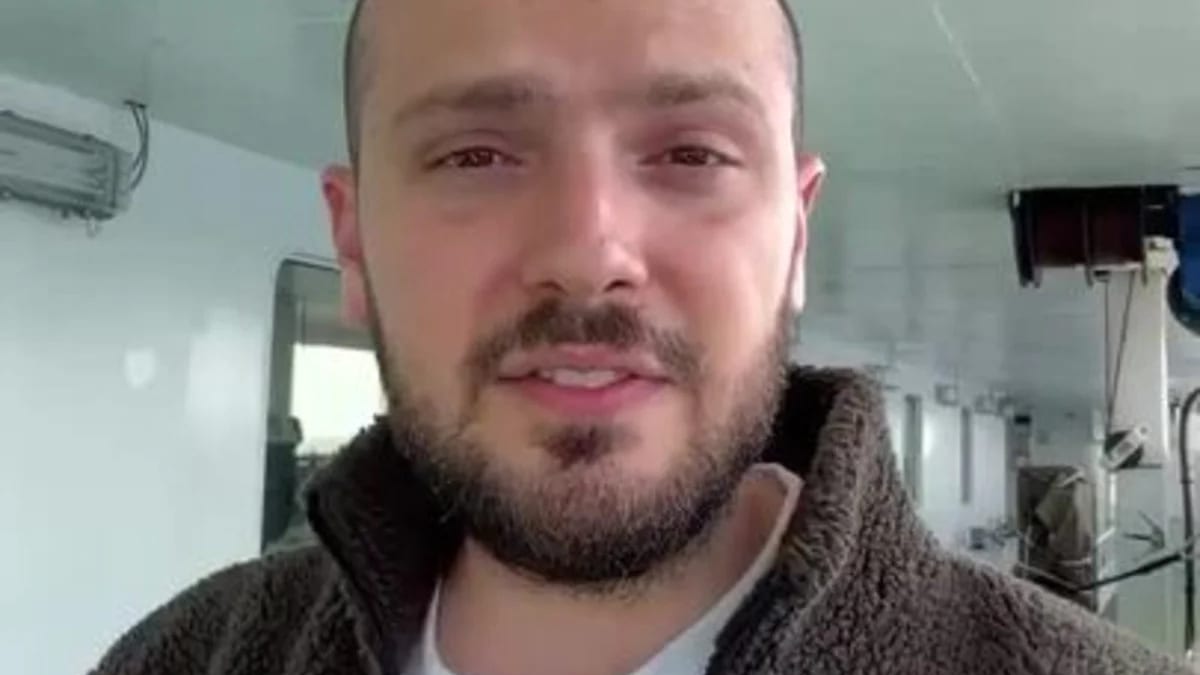
As the Dutch-flagged expedition vessel MV Hondius continues toward Spain’s Canary Islands with more than 140 people still on board after a deadly hantavirus outbreak, a passenger’s day-by-day account is offering a rare window into life on a ship suddenly thrust into the center of a global health scare.
Get the latest news straight to your inbox!
From Antarctic Dream Voyage to Health Emergency
The Hondius left Ushuaia at the tip of Argentina in early April on what was billed as a once-in-a-lifetime journey to Antarctica and remote South Atlantic islands. Public itineraries show that the ship, operated by Oceanwide Expeditions, planned landings in polar landscapes before turning north toward Cape Verde and, ultimately, Europe.
According to timelines compiled by wire services and European media, the first passenger to fall ill developed symptoms days into the voyage, after weeks of overland travel in Argentina and Chile. That traveler, later linked to the outbreak, boarded without any indication of infection, a reminder of the long incubation period associated with Andes hantavirus.
In the diary now circulating publicly, the passenger describes early days filled with lectures about wildlife, photography workshops and zodiac excursions among ice and penguin colonies. The atmosphere was that of a typical small expedition cruise: communal meals, shared binoculars on the observation deck and close-knit groups forming over coffee and wine.
Hints that something was wrong emerged only gradually. The writer notes a fellow traveler who stopped appearing at dinner, whispers in the corridors about “a bad flu,” and an increasing staff presence around certain cabins. For most on board, it initially felt like a contained medical issue, not the start of an outbreak that would draw attention from health agencies on several continents.
When Hantavirus Became the Central Character
The situation shifted in late April as more serious illness was reported and, according to published coverage, three passengers ultimately died and several others were hospitalized with suspected or confirmed hantavirus linked to the Andes strain. Health briefings from bodies such as the World Health Organization and regional disease centers have since confirmed that this rare variant is capable of limited person-to-person transmission.
Inside the ship, the diary charts how the vocabulary of the voyage changed almost overnight. Place names like South Georgia and Tristan da Cunha gave way to technical terms such as “incubation period,” “pulmonary syndrome” and “negative pressure rooms.” The writer describes poring over leaflets about rodent-borne diseases left outside cabin doors and scanning news bulletins about the Hondius using the ship’s patchy internet connection.
Passengers, the account suggests, tried to balance fear with routine. Morning wildlife briefings were replaced by health updates via the public address system. Instead of comparing camera settings, travelers compared temperatures and mild coughs. Conversations at lunch revolved around the difference between Old World and New World hantaviruses and whether the virus on board really could spread between humans.
The tone of the diary makes clear that information lag added to the anxiety. While external reports now list at least eight infections and three deaths associated with the voyage, those still at sea have been learning key details in fragments, often hours or days after headlines appeared on shore.
Locked Cabins, Improvised Corridors and Life on Pause
As Cape Verdean authorities moved to keep the ship offshore in early May and international teams began arranging medical evacuations, life on board tightened further. The diary describes a “soft” cabin confinement, with passengers encouraged to stay in their rooms while still allowed brief, staggered visits to open decks for fresh air.
Crew members delivered meals to doors and collected trays in masks and gloves. Public spaces that had once hosted cocktail hours and lectures turned into quiet, roped-off zones. Carpets were vacuumed less frequently to avoid stirring up dust, and windows were opened whenever weather allowed. The writer notes how the soundscape changed from clinking glasses and shipboard chatter to the constant whir of ventilation and occasional coughs echoing down the hall.
Improvisation became part of daily life. Stairwells were divided into “up” and “down” routes to limit close contact. Seating charts in the dining room were abandoned; in-room dining and staggered access to coffee machines became the norm. The diary describes cabin doors left ajar for shouted conversations with neighbors, and notes slipped under doors to share puzzles, books and phone charging cables.
For crew, the account suggests, the challenge was even greater. Many came from the Philippines and other distant countries and suddenly found themselves both caretakers and potential contacts in a chain of transmission that public health agencies in Europe, Africa and the Americas are now mapping in detail.
Evacuations, Disembarkations and a Fragmented Community
Publicly available timelines indicate that small groups of passengers disembarked at the remote South Atlantic island of Saint Helena in late April, before the full scope of the outbreak was understood. Later, critically ill patients and at least one sick crew member were medically evacuated to Europe as the ship held position off Cape Verde, while others were transferred to local care.
The diary captures the emotional jolt of each departure. The writer recalls watching small boats pull alongside and stretchers being moved across the swell, even as most passengers were instructed to stay back from viewing areas. Announcements about successful airlifts brought audible relief, but also sharpened awareness that the Hondius was no longer a closed, self-contained world.
News that some travelers had already flown home to countries including the Netherlands, the United Kingdom, Canada and the United States added another layer of unease. From cabins, passengers scrolled through coverage in multiple languages describing contact tracing operations in several nations. The diarist wonders aloud whether seatmates from long-haul flights and hotel staff from earlier legs of the journey are now receiving phone calls from health ministries.
What had begun as a cohesive expedition community gradually splintered as people left the ship in small, medically prioritized groups. Those remaining were left with ghost seats in the dining room and empty cabins along the corridors, physical reminders of friends now in isolation wards or already on the journey home.
Approaching the Canary Islands Under Global Scrutiny
With Cape Verde off the itinerary and Tenerife initially declining to receive the vessel, the Hondius has been rerouted toward another port in Spain’s Canary Islands, where authorities are preparing a controlled disembarkation and onward travel arrangements. Health agencies in Europe, Africa and Asia are issuing advisories that frame the overall risk to the wider public as low, while emphasizing the need for careful monitoring of close contacts.
From on board, the diary portrays the final leg as a strange mix of boredom and high alert. Sea days are described as long and repetitive, punctuated only by health checks, meal deliveries and the occasional glimpse of escort vessels on the horizon. Some passengers are said to spend hours at the cabin window tracking seabirds, others refreshing outbreak trackers and reading scientific explainers on hantavirus.
The writer reflects on how quickly travel narratives can flip. The same small ship that once sold itself on intimacy and closeness with nature has become the subject of risk assessments and legal reviews. Passengers who bonded over shared bucket-list ambitions now trade practical questions about hotel isolation, follow-up testing and whether travel insurance will cover extended stays.
As the Hondius nears port, attention is turning to what comes next. Public documents from health agencies suggest that those on board will face days or weeks of monitoring after they leave the ship. For the passenger whose diary has circulated far beyond the vessel’s steel hull, the hope is simple and clear: that the story of this voyage will end not with more case numbers, but with safe landings and quiet recoveries spread across dozens of countries.