


More news on this day
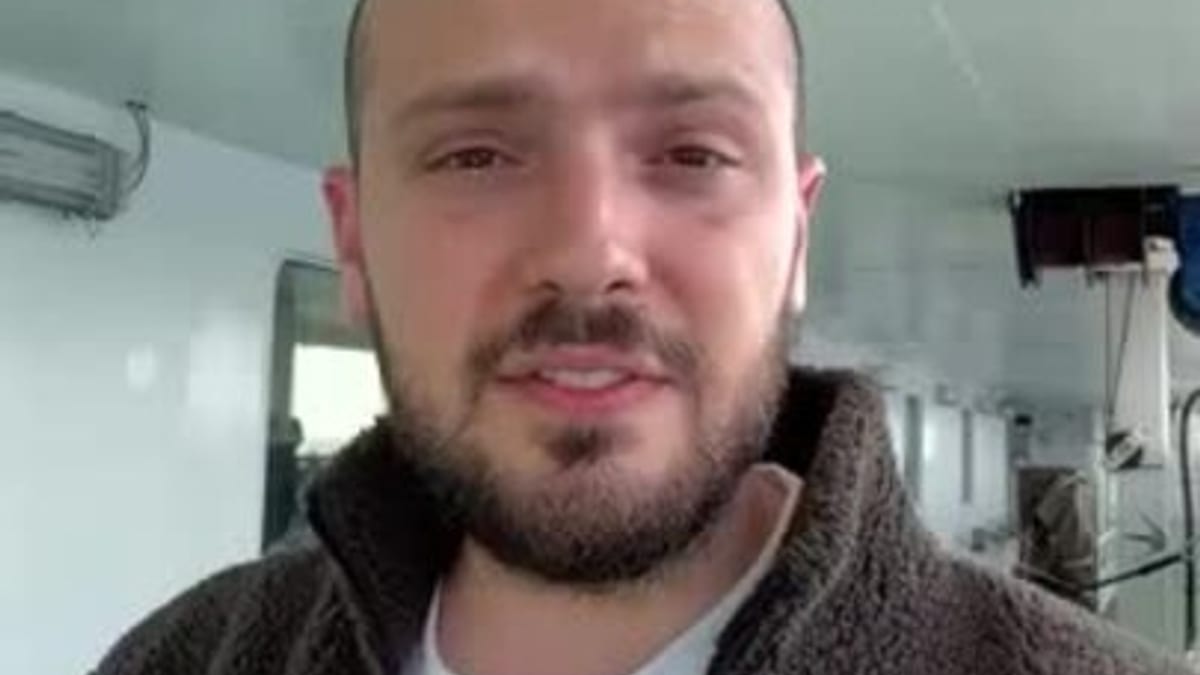
As the Dutch-flagged expedition vessel MV Hondius continues toward Spain’s Canary Islands with a confirmed hantavirus outbreak on board, emerging passenger diaries and social media posts are offering a stark, human portrait of life aboard the stranded ship.
Get the latest news straight to your inbox!
From Antarctic Adventure to Medical Emergency
The Hondius departed Ushuaia, Argentina, in early April on what was marketed as a once-in-a-lifetime expedition across the South Atlantic, visiting Antarctica and remote islands such as South Georgia and Saint Helena. Publicly available itineraries describe a small, ice-strengthened vessel carrying around 150 people, far from the scale of mainstream mega-cruise liners but still large enough to function as a self-contained floating hotel.
Timeline reconstructions compiled by international news outlets indicate that the first passenger fell seriously ill in late April as the ship sailed north from the South Atlantic toward Africa. The individual was ultimately taken off the vessel for treatment, but subsequent test results linked to travelers who had disembarked earlier began to point to hantavirus infection. Within days, reports indicate that three passengers linked to the voyage had died, with additional suspected or confirmed cases identified among those still on board.
By early May, the ship was anchored off the island nation of Cape Verde, with authorities there choosing to keep the vessel offshore while international health agencies assessed the situation. Coverage from agencies including the Associated Press, Reuters and major broadcasters describes a ship effectively caught in limbo: not allowed to dock as normal, yet still needing to care for more than 140 passengers and crew during a fast-moving health crisis.
According to published coverage summarizing health briefings, the virus involved is believed to be Andes hantavirus, a strain known from South America that in rare circumstances can spread between people in close contact. That scientific detail has shaped both the medical response and the lived experience of those still aboard.
Cabin Confinement and a New Onboard Routine
Passenger accounts shared with newspapers, magazines and on social platforms converge on a picture of abruptly curtailed freedom at sea. Many describe being asked to remain primarily in their cabins after confirmation of multiple suspected cases, transforming a trip built around open decks and lecture lounges into one dominated by closed doors and corridor check-ins.
Reports indicate that crew members, already stretched by the demands of an expedition cruise, are now juggling meal deliveries, symptom checks and constant cleaning rounds. Publicly available interviews suggest that food is brought to cabins on staggered schedules to limit corridor crowding, with passengers asked to leave used dishes outside their doors. Routine housekeeping has reportedly been replaced by targeted disinfection, particularly in areas previously used for lectures and social gatherings.
Some travelers, according to published coverage, have tried to maintain a sense of normalcy by sticking to informal daily schedules: watching the sea from portholes, attending virtual briefings piped through the ship’s communications system, and documenting their experiences in journals and online posts. Others describe rising anxiety as news filters in about fatalities linked to the voyage and the possibility that more cases could emerge.
Across these personal narratives, a recurring theme is the psychological dissonance of being surrounded by dramatic Atlantic scenery while feeling unable to set foot on land. Several reports reference passengers likening the atmosphere to the early days of the Covid-era cruise quarantines, with the added anxiety of dealing with a lesser-known virus far from major medical centers.
Testing, Evacuations and the Question of Risk
Publicly available statements from international health agencies and national health ministries indicate that at least eight people associated with the Hondius voyage have been classified as suspected or confirmed hantavirus cases, including several who disembarked earlier at ports such as Saint Helena and in South Africa. Three deaths have been linked to the outbreak, and a small number of severely ill patients, including the ship’s doctor, have been airlifted to hospitals in Europe and South Africa.
Health-focused outlets report that remaining passengers undergo regular temperature checks and symptom screenings, with particular attention to early signs of fever, muscle pain and breathing difficulties associated with hantavirus pulmonary syndrome. According to summaries of World Health Organization briefings, close contacts of known cases are being monitored more intensively, reflecting concerns about possible person-to-person transmission of the Andes strain in confined settings.
At the same time, epidemiologists cited in coverage by outlets such as Scientific American and Healthline have emphasized that the broader public risk remains low. Hantaviruses are typically spread via contact with infected rodent droppings or urine, and sustained human-to-human transmission is considered uncommon outside specific circumstances. Analyses in mainstream media point out that the cruise setting, with shared spaces and prolonged close contact, creates a unique environment compared with ordinary travel.
Despite those reassurances, the patchwork of disembarkations at different ports before the outbreak was recognized has become a focal point of concern. News reports detail how groups of passengers left the ship at Saint Helena and other stops, scattering to various onward destinations before formal alerts were issued. Health authorities in multiple countries have since begun contact tracing to identify and monitor people who may have shared flights or accommodations with those travelers.
Life on a Ship in Limbo off West Africa
While officials negotiate port access and medical logistics, day-to-day life on the Hondius appears to be defined by uncertainty. Reports describe a vessel making slow progress toward the Canary Islands, after Cape Verde requested that it remain offshore and Spain later indicated it would accept the ship under controlled conditions. For those on board, the journey north is less a continuation of a holiday than a search for safe harbor.
Passengers’ written accounts referenced in European and African media speak of alternating periods of tension and relative calm. On some days, calm seas and clear skies provide moments of respite on outer decks during controlled, distanced fresh-air breaks. On others, updates about new test results or off-ship hospitalizations ripple through the ship’s informal communication networks, reigniting worries about who might fall ill next.
Practical concerns have also surfaced in these documents. Some travelers describe watching their supply of personal medications, toiletries and reading material dwindle as the voyage extends beyond its planned end date. Internet connections, already intermittent on remote expedition routes, become critical lifelines for contacting family, downloading news and backing up digital journals and photographs that have taken on new meaning.
The crew, many of whom are from the Philippines and other countries with long maritime traditions, are frequently mentioned in these accounts as central figures in maintaining order and morale. Publicly available reporting suggests that some crew members have themselves been placed under observation or isolation, adding to the strain on those still working regular shifts.
Broader Questions for Expedition Cruising
Beyond the immediate medical emergency, the Hondius outbreak is prompting renewed debate about the rapid growth of expedition cruising to remote regions. Analyses in outlets such as The Guardian, Le Monde and Smithsonian Magazine note that polar and South Atlantic voyages have expanded significantly in recent years, bringing more travelers into contact with fragile ecosystems and distant island communities.
Commentary in travel and science publications suggests that the Hondius episode may accelerate calls for stricter health protocols on small expedition ships, including enhanced pre-boarding screening, clearer contingency plans for remote medical emergencies and greater transparency about onboard health events. Some experts quoted in these pieces point to the ship’s multi-stop itinerary, with passengers embarking and disembarking across several countries, as an especially complex challenge for contact tracing.
For prospective travelers, the firsthand documents emerging from the Hondius offer a sobering counterpoint to glossy brochures. Instead of penguin colonies and empty horizons, they detail isolation in compact cabins, the hum of air purifiers and the constant background calculation of risk. Travel industry observers argue that such narratives may shape how future passengers weigh the appeal of adventure against the realities of being far from advanced medical care when something goes wrong.
As the ship heads toward European waters, those accounts continue to accumulate, preserving a granular record of how a rare virus turned an Antarctic dream voyage into an unplanned, open-ended quarantine at sea. Long after the last passenger disembarks, the story told in their journals and posts is likely to inform public perceptions of both hantavirus and high-latitude cruising for years to come.