


More news on this day
Iran’s central military command says it has received information indicating the United States is preparing to resume strikes, a warning that lands as diplomats converge on New York for the UN General Assembly and as tensions remain high around the Strait of Hormuz.
Get the latest news straight to your inbox!
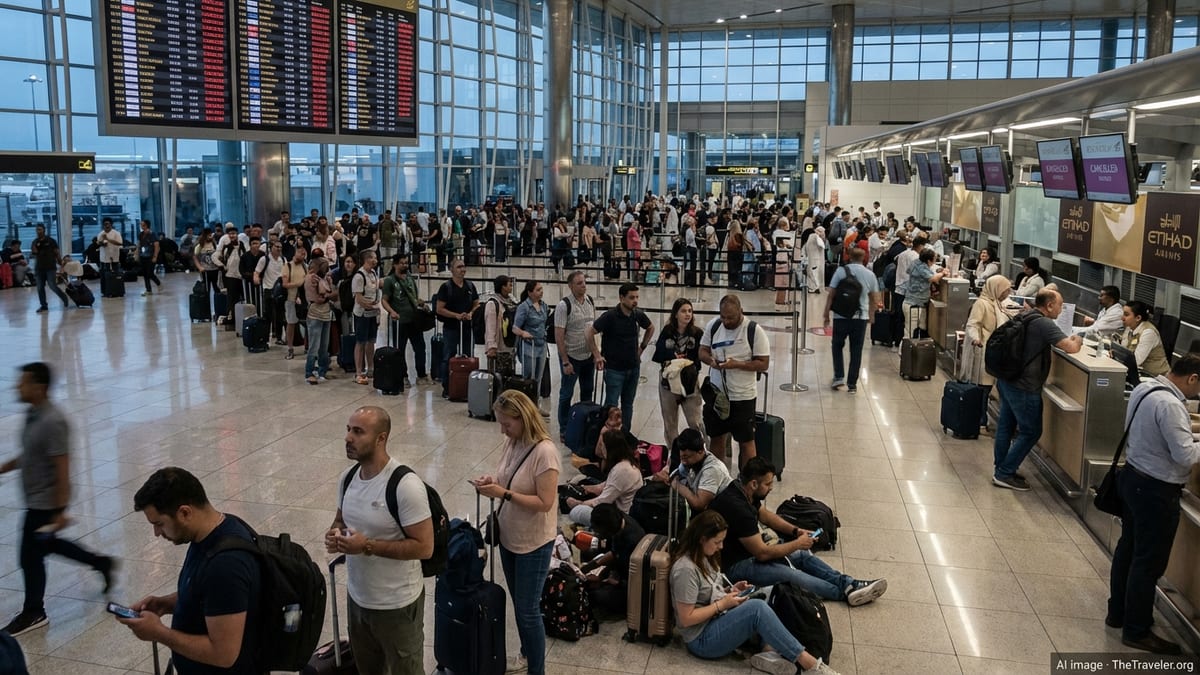
What Iran’s military says, and why it matters now
Published coverage on September 21, 2026, describes a statement attributed to Iran’s Khatam al-Anbiya Central Headquarters, the command structure associated with coordinating Iran’s armed forces, saying it has been informed the US is preparing to restart military operations against Iran. The same coverage indicates the statement included warnings that any renewed attack would be met with continued retaliation aimed at US bases and interests in the region and that regional partners enabling US action could be treated as part of the conflict.
The warning follows weeks of sporadic incidents and political signaling that have kept the regional security picture unsettled even when large-scale strikes have been less frequent. For travelers, the immediate relevance is less about day-to-day movement inside Iran and more about the wider knock-on effects: flight routings across the Gulf, insurance and operational constraints for cruise and ferry operators, and the potential for short-notice disruptions at major aviation and maritime chokepoints.
The timing also overlaps with high-profile diplomacy in New York. Published reporting indicates President Donald Trump has described being in a decision-making phase on next steps regarding Iran, while regional leaders and international officials arrive for UN meetings that often serve as a venue for side talks and de-escalation efforts.
Diplomacy at the UN, with Qatar in the mediator role
Multiple outlets report that Iran’s foreign minister, Abbas Araghchi, traveled toward New York for the UN General Assembly with a stop in Qatar. Separate coverage characterizes Qatar as a key mediator, and says the travel came as Tehran weighs the conditions under which talks might restart.
Publicly available UN information shows the UN General Assembly high-level week is underway in New York from September 18 to September 28, 2026, concentrating leaders and senior diplomats in a narrow window. That calendar detail matters because rapid shifts in military posture often coincide with diplomatic deadlines, particularly when governments try to gain leverage ahead of meetings or signal resolve to domestic audiences.
For travelers, major UN-week meetings do not automatically raise risk levels, but they can accelerate decision points. Airlines, airport operators, and shipping companies often prepare contingency plans during such periods, including alternative routings that avoid sensitive airspace over the Gulf and nearby conflict-adjacent corridors.
Strait of Hormuz: maritime incidents and a continuing blockade framework
Independent reporting and official releases continue to highlight the Strait of Hormuz as a focal point. In a recent Associated Press account, the US military described an incident in which it destroyed two small Iranian boats that were attempting to seize a US unmanned surface vessel near Iran’s coast, while Iranian state media described missing fishermen after an attack involving fishing boats. The episode underscores how quickly maritime encounters can escalate even without a broad campaign of airstrikes.
In parallel, a US Central Command public release states US forces would resume blockading maritime traffic entering and exiting Iranian ports beginning July 14, 2026, and advises mariners to monitor navigation broadcasts and contact US naval forces on bridge-to-bridge channel 16 when operating in the Gulf of Oman and Strait of Hormuz approaches. That framework affects commercial shipping and can ripple into passenger travel indirectly through delays, port schedule changes, and higher operating costs for carriers.
For leisure travelers, the biggest practical impacts tend to appear first in cruise itinerary adjustments, ferry schedule changes, and price volatility tied to fuel costs. Even travelers not heading to the Gulf can feel spillover through higher airfares or fuel surcharges when jet fuel and marine fuel markets react to perceived risks near key energy routes.
What to watch next if strikes resume
Published coverage suggests the near-term trajectory hinges on whether Washington chooses to expand military action or pursue another diplomatic track. Recent reporting also points to the importance of coordination with Gulf partners, since basing, overflight, and regional security cooperation can influence how any US campaign is structured.
For travelers, the most actionable indicators are operational, not rhetorical. Watch for airline notifications about route changes or suspended service to specific airports, and for maritime advisories that can affect cruise ports and regional ferry corridors. In past escalatory cycles, rapid shifts have sometimes led to temporary airspace avoidance or longer routings, which can increase flight times and trigger missed connections.
Travelers with itineraries involving the Gulf region should rely on primary, up-to-date sources for decisions: airline travel alerts, airport operational updates, and government travel advisories. Because conditions can change within hours, broad news headlines can lag behind real-time operational changes, while carrier notices and navigation warnings tend to reflect immediate risk management steps.