


More news on this day
TrainPal is highlighting a major change for UK rail travelers that took effect on Sunday, September 20, 2026, designed to keep passengers moving after cancellations by letting them use another operator’s train without paying again.
Get the latest news straight to your inbox!
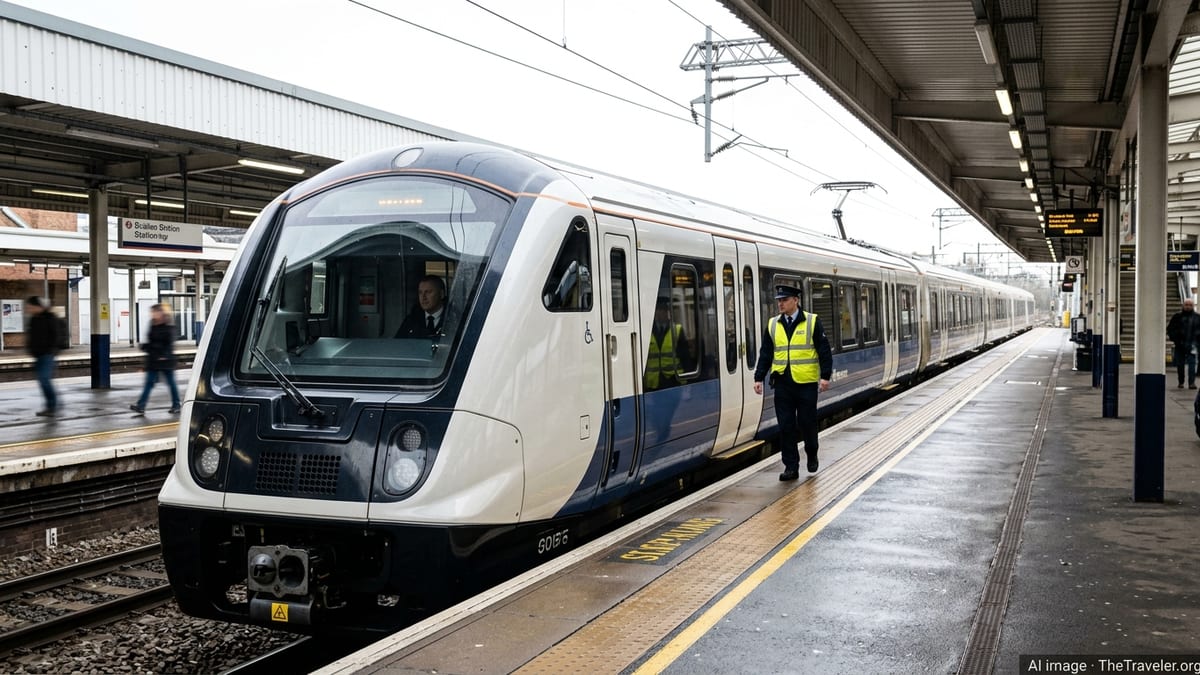
A new cancellation rule expands cross-operator travel
Published coverage and government materials describe the change as a shift from ad-hoc, disruption-by-disruption ticket acceptance to a more consistent national approach when a booked train is cancelled. From September 20, passengers with a valid ticket for a cancelled service can transfer to another participating operator at no additional cost, aiming to reduce the common station-side dilemma of whether to wait, buy a second ticket, or abandon a trip.
The new scheme sets a clearer time boundary. Publicly available guidance indicates travelers can board a participating operator’s service departing within a two-hour window before or after the original cancelled train, using a direct or reasonable alternative route. The intent is to preserve the original ticket as proof of travel entitlement, rather than forcing a last-minute reissue or a costly new purchase.
Coverage around the rollout also emphasizes that the policy is focused on cancellations, not general delays, and that participation depends on the operator. The change builds on cross-operator acceptance that had already applied among publicly owned operators, now expanded to include additional major intercity and regional companies.
Where it applies and why it matters on busy intercity routes
Information released alongside the launch indicates the expanded coverage includes Avanti West Coast, CrossCountry, Great Western Railway, and Chiltern Railways, bringing more long-distance and commuter-heavy corridors into the automatic acceptance approach. That matters because these operators touch some of the UK’s most heavily used routes, where cancellations can quickly cascade into crowded platforms and missed onward connections.
For passengers holding operator-restricted Advance tickets, the rule is particularly significant. These fares can be among the cheapest options, but their restrictions have also been a driver of confusion during disruption, especially when a traveler sees another operator’s service departing sooner but is unsure whether their ticket will be honored.
The scheme is designed to reduce friction at the moment travelers need clarity most: on the day of travel, often under time pressure, and sometimes outside normal office hours when station staffing may be limited. By making acceptance “automatic” within defined boundaries, the policy aims to cut the time spent negotiating exceptions and reduce the risk of passengers being incorrectly treated as traveling without a valid ticket.
TrainPal’s angle: fewer stranded passengers and fewer forced re-buys
TrainPal, which sells UK rail tickets and provides disruption information in-app, has been positioning the September 20 change as a passenger-first improvement that should reduce the number of customers stuck between operators during cancellation events. The company’s customer-facing help pages also underscore common disruption pathways: using an existing ticket on an alternative service where permitted, or seeking a refund when travel is abandoned due to cancellation.
For third-party retailers such as TrainPal, clearer rules can also simplify what travelers do next inside the app. When a cancellation happens, the immediate need is often practical rather than procedural: finding the next workable departure, confirming ticket validity, and avoiding paying twice. TrainPal’s live status tools and its disruption guidance are geared toward that decision-making, and a broader cross-operator acceptance policy reduces the number of edge cases where the “right” next step depends on a patchwork of temporary local arrangements.
TrainPal’s published FAQs also point travelers toward established UK compensation frameworks, including Delay Repay and operator-specific passenger charters, while clarifying that compensation claims are generally submitted to the train operating company rather than the retailer. In other words, the new acceptance rule focuses on getting passengers moving during cancellations, while compensation and refunds remain part of separate processes governed by operator rules and industry conditions.
What passengers should do at the station and what to keep
When a train is cancelled, the most important practical step is to preserve proof of the original itinerary and cancellation. In most cases, that means keeping the original ticket (digital or paper) and, where available, retaining any screenshots of journey status from a journey planner or operator service page that shows the cancellation. The new rule is built around using the original ticket as the basis for travel on a different participating operator within the two-hour window.
Passengers should also be prepared for practical constraints even when ticket acceptance is available. The alternative train may be reservation-controlled, busy, or subject to local crowd management. Where seat reservations apply, travelers may still be asked to board specific coaches or may need to stand, depending on operator practice and capacity.
For those who decide not to travel after a cancellation, UK rail rules generally provide for refunds when a service is cancelled and the ticket is unused. Publicly available rail guidance also reflects broader reforms to refund rules introduced earlier in 2026, which tightened the ability to refund some walk-up tickets after the date of travel except in defined circumstances such as cancellation, delay, rescheduling, or an unhonored reservation.
The bigger context: disruption transparency, refunds, and passenger rights
The September 20 change arrives amid wider debate about reliability, customer service, and passenger rights across Britain’s rail network. National Rail’s disruption reporting continues to list a steady mix of service issues, from short-lived signal problems to longer-running engineering works and timetable amendments. A standing challenge for passengers has been turning that information into immediate, actionable choices during disruption.
At the same time, passenger protection remains a mix of industry conditions, operator policies, and separate compensation routes. Delay Repay, for example, typically compensates based on the length of delay at the destination, but thresholds can vary by operator. Travelers can also have additional rights when disruption strands them mid-journey, such as assistance with onward travel in certain circumstances, though the specifics depend on the situation and applicable conditions of travel.
By focusing on cancellations and cross-operator acceptance, the new rule targets a pain point that is both common and highly visible: passengers who can see trains leaving but cannot confidently board them without risking additional charges. TrainPal’s welcome for the change aligns with the practical impact for app-based ticket holders, while the industry-wide significance is that it turns what was often a confusing exception into a clearer default for more operators and more journeys.