


More news on this day
Ireland is intensifying efforts to secure formal dark sky recognition for some of its most remote landscapes, as astrotourism surges globally and concerns grow over how artificial light is eroding one of Europe’s last expanses of naturally dark night sky.
Get the latest news straight to your inbox!
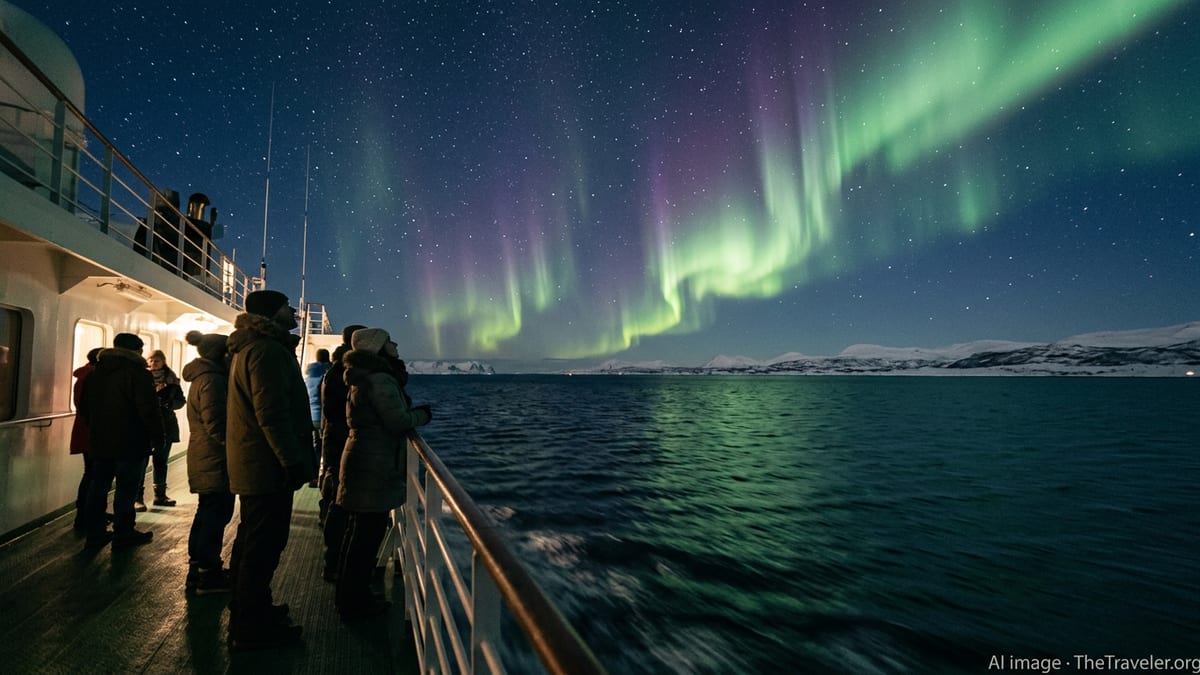
A Small Island With Big Dark Sky Ambitions
Across the island of Ireland, local groups, park managers and tourism bodies are working to expand the number of officially recognised dark sky places and push dark sky tourism into the mainstream. Existing designations already place Ireland on the global stargazing map, but current activity suggests that this is only a starting point.
The island is already home to several internationally recognised dark sky sites, including the Kerry International Dark Sky Reserve on the Iveragh Peninsula and the Mayo International Dark Sky Park in Wild Nephin National Park, along with the OM Dark Sky Park and Observatory in County Tyrone. These locations have been certified under the DarkSky Places programme, run by DarkSky International, which assesses sky quality, lighting controls and community commitment before granting titles such as Dark Sky Park or Reserve.
Recent coverage highlights that Mayo’s Wild Nephin landscape, in particular, has drawn attention as one of the darkest locations in Europe, with its park receiving global recognition in 2024 under DarkSky’s awards for exemplary conservation work. Tourism Ireland has also begun heavily promoting stargazing experiences at these certified sites, framing them as star attractions alongside the island’s better known coastal and cultural draws.
Behind the scenes, local authorities in counties such as Offaly and other rural regions are examining dark sky tourism in their development strategies, referencing the potential for new reserve applications and lighting management plans. Policy papers on rural tourism and regional development now routinely mention dark sky initiatives, suggesting a shift from niche interest to a structured national opportunity.
Why The Push Has Become More Urgent
The urgency behind Ireland’s dark sky ambitions is driven by two converging trends: a rapid global rise in light pollution and surging demand for authentic nature-based experiences. Scientific work involving Irish researchers, published in recent years, indicates that skyglow from artificial lighting is increasing across many parts of Europe and can degrade night skies even in relatively sparsely populated regions.
Studies on light pollution warn that artificial brightness is growing faster than satellite-based measurements alone had suggested, partly because newer LED lighting disperses differently in the atmosphere. For Ireland, a country that still retains significant pockets of low-population countryside, this has created a sense that the window for preserving truly dark skies is narrowing.
At the same time, astrotourism has emerged as a leading travel trend, with DarkSky International and tourism bodies noting rising interest in star-focused trips, night hikes and astronomy-themed events. International visitors are increasingly seeking experiences that combine clear night skies with cultural storytelling, wellness stays and guided observation sessions.
Irish tourism strategies up to 2030 emphasise sustainability, seasonality and spreading visitors beyond urban hubs. Dark sky tourism fits neatly into these goals, allowing remote communities to attract visitors in quieter months while reinforcing policies on climate, biodiversity and rural regeneration. The result is mounting pressure to secure official designations before development and poorly managed lighting weaken the very qualities that make these skies marketable.
Tourism Strategies Turn Toward The Night
National and regional tourism frameworks are beginning to treat darkness as a resource in its own right. Ireland’s latest tourism policy statements, setting priorities through the end of this decade, highlight sustainable, low-impact products and call for stronger links between environmental protection and visitor experiences.
Rural tourism reports produced for policymakers explicitly reference a Dark Skies Strategy, describing dark sky locations as assets that can anchor new visitor offerings in lesser-known counties. These documents encourage local authorities to identify landscapes with naturally low light pollution and to explore international certification as a way to structure management and attract investment.
On the ground, this is translating into night-time trails, observatory visitor centres and programming that links astronomy with archaeology, folklore and language. Sites such as OM Dark Sky Park and Observatory blend immersive exhibitions with guided outdoor sessions, illustrating the kind of integrated product that tourism planners see as a model for other regions.
Tourism Ireland’s 2024 and 2025 marketing pushes have increasingly featured stargazing imagery in overseas campaigns, aligning with broader European moves to promote off-peak and nature-based travel. By highlighting officially recognised dark sky parks and reserves, national marketers aim to differentiate Ireland from rival destinations that may have dramatic landscapes but lack formal night-sky protections.
Conservation, Community And The Business Of Darkness
Behind the tourism messaging is a deeper conservation story. DarkSky International’s guiding principles for responsible astrotourism emphasise that dark sky experiences should benefit local communities and prioritise protection of the nocturnal environment. Ireland’s emerging dark sky projects are being framed within this context, tying visitor revenue to better lighting practices and ecological safeguards.
Light pollution can disrupt bird migration, insect behaviour and the natural rhythms of coastal and upland ecosystems that underpin much of Ireland’s tourism appeal. Protecting the night sky is therefore presented not only as an aesthetic goal but as an ecological necessity. Local development plans that explore dark sky designations frequently pair them with actions to retrofit public lighting, promote shielded fixtures and limit unnecessary nighttime illumination.
Communities in rural counties see potential in dark sky branding to support small accommodation providers, guides and outdoor activity operators, especially during shoulder seasons. New international programmes, such as DarkSky’s lodging standards, aim to steer accommodation businesses toward lighting and design choices that preserve natural darkness while still catering to guests seeking comfort and security.
If Ireland can align local economic benefits with strict lighting controls, proponents argue that dark sky status could provide a rare kind of tourism growth that rewards restraint. The more rigorously the night is protected, the more valuable a clear, star-filled sky becomes as a competitive advantage.
Balancing Growth With Genuine Nighttime Darkness
The challenge now facing Ireland is how to expand dark sky tourism without undermining the qualities that make it attractive. International experience shows that as visitor numbers rise in once-remote areas, new infrastructure, road lighting and late-night activity can gradually erode sky quality unless controls are in place from the outset.
Publicly available information from DarkSky International and tourism analysts points to the importance of strict lighting ordinances, monitoring and community education to keep designated places within required sky-brightness thresholds. For aspiring Irish dark sky regions, this means that new hotels, car parks or visitor centres must be planned with downward-directed, low-intensity lighting and limited operating hours.
Researchers are also calling for more systematic monitoring of sky brightness using ground-based sensors and satellite data, enabling parks and local authorities to detect changes in light pollution over time. Integrating such measurements into park management plans would give Ireland a stronger technical basis when applying for new designations or defending existing ones.
With other destinations, including parts of New Zealand and continental Europe, exploring national-level dark sky branding, Ireland faces growing competition for visitors seeking pristine night skies. The current push for official status is therefore as much about timing as ambition. By moving quickly to lock in protections and recognition, Ireland is attempting to ensure that its rare pockets of natural darkness remain a draw for stargazers well into the next decade.