


More news on this day
The United States has placed 11 African countries on its highest Level 4 “Do Not Travel” advisory in 2026, a move that highlights worsening security risks in parts of the continent and signals serious implications for tourism, business travel and diaspora visits.
Get the latest news straight to your inbox!
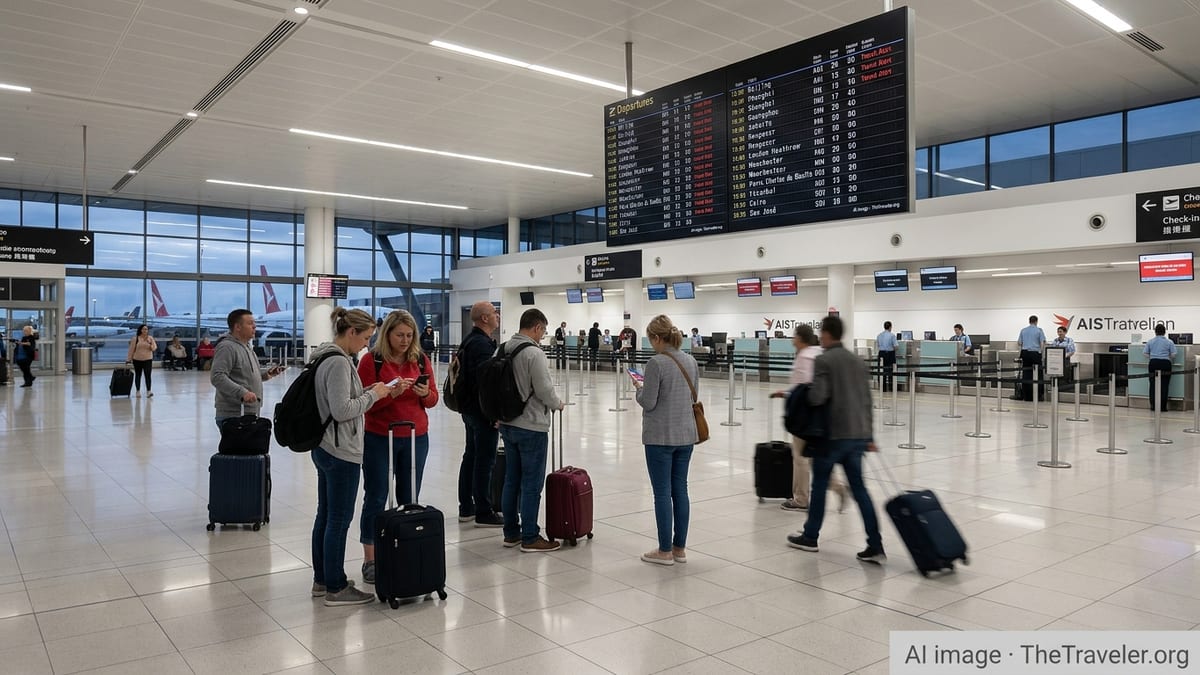
The 11 African countries now on the Level 4 list
According to recent media roundups drawing on the U.S. Department of State advisory database, the 11 African countries carrying a Level 4 “Do Not Travel” advisory in 2026 are Burkina Faso, Central African Republic, Chad, the Democratic Republic of the Congo, Libya, Mali, Niger, Somalia, South Sudan, Sudan and Uganda. These countries are part of a wider group of 23 destinations worldwide where U.S. citizens are urged to avoid all travel.
Publicly available information shows that while the exact wording of each advisory varies, the underlying concerns in these 11 states include combinations of armed conflict, terrorism, kidnapping, violent crime, civil unrest, and in some places serious health and infrastructure challenges. In several of the countries, large areas are effectively controlled by non-state armed groups or are experiencing active insurgencies.
Travel advisories are reviewed periodically, and dates on the official country pages indicate that many of these Level 4 ratings were updated during late 2025 and early 2026. The overall level applies nationwide, although some advisories also single out specific regions as particularly dangerous, reinforcing the message that nonessential travel should be deferred.
Unlike entry bans or sanctions, the Level 4 designation does not legally prohibit U.S. citizens from visiting these countries. However, it is framed as the strongest possible warning, advising travelers not to go and, if already present, to consider leaving as soon as conditions allow.
Why the risk level is so high
Background material from the State Department and consular briefings describes Level 4 as reserved for destinations where there is a significant likelihood of life-threatening danger. In these environments, U.S. embassies and consulates may face severe limits on their ability to help citizens during emergencies, due to security restrictions, limited staffing or a lack of reliable local services.
In the Sahel states on the list, such as Burkina Faso, Mali, Niger and Chad, published advisories and regional analysis frequently cite jihadist violence, roadside explosives, attacks on security forces, and the risk of kidnapping or ambushes on major routes. In some areas, targeted attacks have affected foreign workers and aid organizations, increasing concern about the vulnerability of international visitors.
Countries like Somalia, South Sudan and the Central African Republic feature long-running internal conflicts and fragile cease-fires. Public information notes that clashes between armed groups, sporadic fighting in or near major towns, and banditry on intercity roads make overland travel especially hazardous. In several of these states, power cuts, fuel shortages and weak medical systems further complicate any emergency response.
Libya, Sudan and the Democratic Republic of the Congo are flagged for a mix of political instability, active conflict zones and high crime levels. Reports indicate that shifting front lines, armed militias, and episodes of urban violence can make security conditions volatile with limited warning. Uganda, more commonly associated with safari tourism, has appeared on the Level 4 list amid concerns over terrorism, targeted attacks and restrictive internal conditions that have drawn international scrutiny.
What Level 4 means for travelers and diaspora communities
For U.S. citizens with family ties in these countries, the Level 4 designation poses difficult choices. Public guidance emphasizes that routine tourism and nonessential trips should be postponed, while those who decide travel is absolutely necessary are urged to adopt significantly higher security precautions and contingency planning.
Travel information services and consular resources indicate that visitors who choose to go despite the advisory should closely track local news, maintain a low profile, avoid demonstrations and large gatherings, and reconsider any overnight overland travel between cities. Many insurance policies either exclude coverage for destinations under the highest advisory level or impose special conditions, which can substantially raise trip costs or leave travelers without protection.
The warnings can also be disruptive for cross-border business, academic partnerships and humanitarian operations. Some organizations require staff to follow government advisories when deciding where employees may be posted or visit for work. In practice, this can mean relocating conferences, redirecting field research, or moving meetings to neighboring countries with lower risk levels.
Despite the strong language, advisory materials and independent coverage underline that the decision to travel ultimately rests with individuals. Travelers who proceed are encouraged to share itineraries with trusted contacts, monitor security alerts and be prepared for rapid changes, such as airport closures, checkpoints or curfews.
Impact on African tourism, airlines and regional hubs
The expanded Level 4 list comes at a time when many African destinations are seeking to rebuild tourism and business travel after the disruption of the pandemic and wider global instability. Industry commentary suggests that U.S. advisories can influence not only American travelers but also tour operators, cruise planners and corporate travel departments elsewhere that rely on U.S. government assessments in their own risk models.
Countries neighboring Level 4 states are increasingly positioning themselves as alternative gateways and conference locations. According to regional travel coverage, hubs such as Nairobi, Addis Ababa and Kigali have promoted their relative stability, air connectivity and hotel infrastructure to attract visitors whose original plans may have involved higher-risk destinations.
Airlines and tour operators serving the affected countries may face schedule adjustments, reduced frequencies or the cancellation of group itineraries, depending on demand. In some cases, carriers have already reoriented routes to focus on safer hubs, using them as staging points for essential travel into conflict-affected areas by humanitarian or specialist security teams.
Tourism ministries and local businesses in Level 4 countries have highlighted concerns that long-term advisories can deter investment and slow recovery, especially in regions that previously depended on wildlife tourism, cultural heritage sites or business events. However, published analysis notes that sustained improvements in security, governance and infrastructure are typically required before advisory levels are lowered.
How to check current advisories and plan safer trips
Government travel-advice portals emphasize that advisories are dynamic and can change quickly in response to new incidents, peace agreements or political shifts. For travelers considering any international trip, official platforms recommend checking the latest country page immediately before booking and again shortly before departure.
Publicly available guidance also points U.S. citizens to an online enrollment program that allows them to receive security alerts and important updates from the nearest embassy or consulate while abroad. By registering planned itineraries, travelers can make it easier for consular staff to reach them in case of local disruptions, natural disasters or sudden border closures.
Risk experts often advise comparing information from more than one national advisory system when assessing a destination, including sources from Europe or other regions. Looking across multiple advisories can provide a broader picture of which threats are widely acknowledged and how different governments interpret the same conditions.
For those uneasy about destinations now rated Level 4, analysts suggest considering alternative African countries that currently carry lower advisory levels and have invested heavily in tourism infrastructure and safety initiatives. While no trip is completely risk-free, careful destination choice, thorough preparation and reliance on up-to-date official information can significantly reduce exposure to serious danger.