


More news on this day
Large wildfires in Spain and France have forced mass evacuations, disrupted transport and darkened some of Europe’s best-known holiday coasts, leaving many travelers asking whether it is still safe to visit this summer.
Get the latest news straight to your inbox!
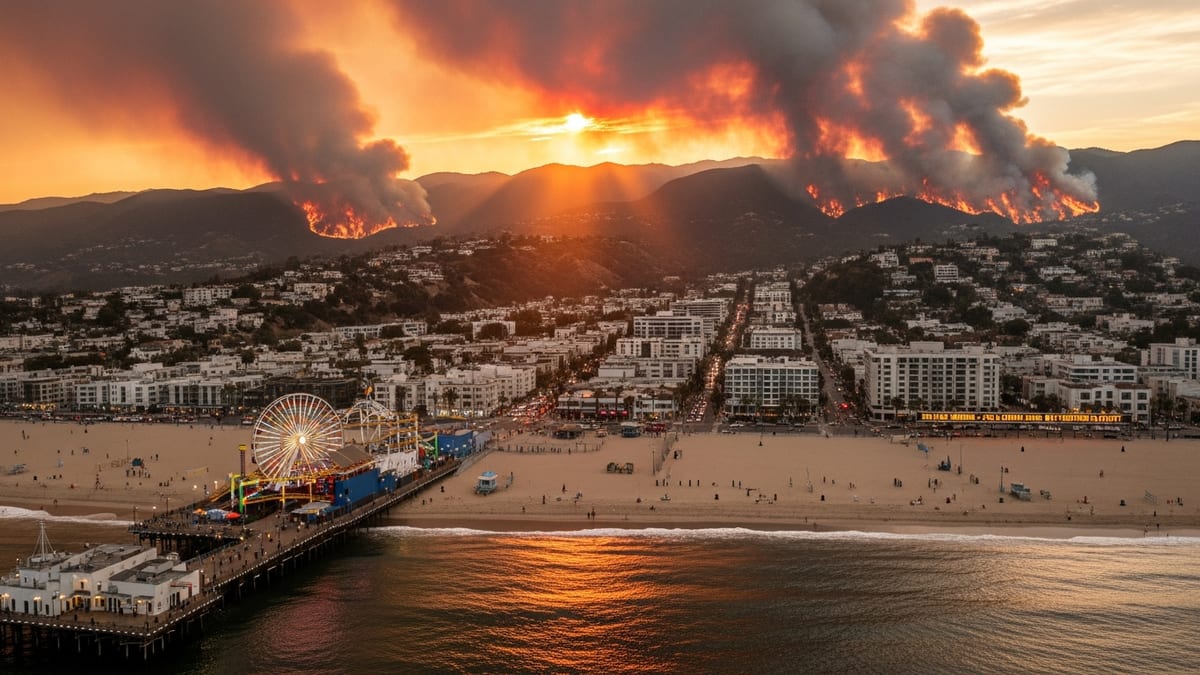
Wildfire situation in key tourist regions
Recent coverage from European and international media shows wildfires burning across parts of southwest France and areas of Spain after a prolonged spell of extreme heat and drought. In France, major fires in Gironde and the Landes have led to the evacuation of tens of thousands of residents and visitors as flames approach coastal resorts and forested campsites. Images shared by news outlets show smoke plumes over Atlantic beaches and burned pine forests close to popular holiday parks.
In Spain, reports indicate that blazes have broken out in several regions already hit hard in previous fire seasons, including parts of Castilla y León, Extremadura and Catalonia. Spain’s environment and civil protection agencies have warned that the country has already lost far more forest and scrubland than at this point in earlier years, reflecting a longer and more intense fire season. Some rural villages, campsites and hiking areas have been evacuated or placed under temporary access restrictions while firefighters work to contain the flames.
Despite the severity of these incidents, the fires are still affecting a relatively limited geographic area compared with the overall size of both countries. The great majority of cities, resort zones and transport corridors remain outside evacuation zones. However, smoke and poor air quality can extend far beyond the fire lines, and travelers heading to nearby regions may notice haze, changing skies and intermittent closures of roads or rail lines.
Travelers should understand that wildfire conditions change rapidly: routes that appear unaffected when a trip is booked can later become smoky or subject to restrictions. Conversely, some currently affected areas may reopen quickly once fires are contained and safety checks are completed.
What official travel advisories and governments are saying
Updated foreign travel summaries from several European governments continue to describe both France and Spain as broadly safe for travel, while highlighting the wildfire situation in their safety and natural disasters sections. Recent updates for France point specifically to the heightened fire risk in the southwest, including Gironde and neighboring departments, and advise travelers to monitor local instructions and be prepared to leave an area quickly if asked.
Government advisories for Spain similarly note that high temperatures and very dry conditions have increased the likelihood of wildfires in many regions. Travelers are urged to follow any restrictions on access to forests or rural parks, comply with fire bans and avoid any activity that could spark new blazes. Some advisories reference the possibility of sudden road closures, diversions and disruption to rail or regional air services if fires approach key transport links.
Both France and Spain maintain well-developed emergency services and civil protection systems, with dedicated fire-fighting aircraft fleets, specialized ground crews and early-warning tools. Publicly available information from national meteorological agencies shows that they now issue daily fire danger maps during the high-risk season, giving local authorities a basis for closing trails, limiting access to certain forests or banning barbecues and outdoor fires.
Travel advisories consistently stress that visitors should pay close attention to local messaging. This can include regional government announcements, municipal social media channels, and alerts from accommodation providers or tour operators who receive real-time information from local authorities.
Impact on holidays, transport and major attractions
For most visitors, the practical impact of the wildfires is more likely to involve disruption and smoke than direct danger from flames. In France, areas near the Atlantic coast south of Bordeaux have seen closures of campsites, holiday villages and roads as firefighters try to secure a perimeter around forest fires. Some long-distance train services and sections of cycle routes have been diverted or suspended. There have also been reports of iconic events and sporting fixtures in southwest France being shortened or rerouted so that security and emergency resources can focus on the fire response.
In Spain, wildfire activity in inland regions has occasionally interfered with road and rail traffic, particularly where highways run through forested areas. Travelers driving between major cities or to rural tourism areas should anticipate possible checks, speed limits or diversions. Coastal resort belts around the Mediterranean and Atlantic have remained mostly open, but can experience smoky skies when the wind shifts, affecting visibility and outdoor comfort.
Major urban destinations such as Paris, Madrid, Barcelona, Seville and Lyon are not currently within active fire zones. Their main airports continue to operate normally, and high-speed rail networks are largely functioning, though indirect knock-on delays are always possible when heat and smoke affect the wider system. Theme parks, museums and city attractions remain open, with the main weather-related concern being high temperatures rather than fires themselves.
Travelers planning hiking, camping or countryside stays should exercise more caution. Rural guesthouses, campsites and mountain refuges can be closer to at-risk forests and may be asked to evacuate at short notice. Before departure, visitors are advised to check directly with hosts or tour companies that their specific area is currently open and not under evacuation or pre-evacuation notice.
Practical safety tips for travelers on the ground
Specialists in wildfire risk and public safety emphasize that personal preparedness plays a major role in staying safe during an active fire season. Travelers heading to affected regions in Spain and France should begin by checking their travel insurance to confirm that it covers disruptions caused by natural disasters, including evacuations and smoke-related health issues. Policies can differ widely on what counts as a covered event and what documentation is required to file a claim.
On arrival, visitors should familiarize themselves with local emergency numbers, as well as any hotel or rental evacuation procedures. Many regions issue wildfire alerts and air-quality updates through mobile apps or text services, which can provide early notice of changing conditions. Keeping devices charged, having a small grab bag with essentials, and knowing at least two routes out of a rural area can significantly reduce stress if a fire flares nearby.
Health experts also note that wildfire smoke is not just a minor irritation. Prolonged exposure to fine particulate matter can aggravate asthma and other respiratory or cardiovascular conditions. Travelers with underlying health issues may wish to pack high-quality particulate masks, avoid strenuous outdoor exercise on smoky days and ensure they have an adequate supply of medication. Choosing accommodation with good indoor air quality, such as properties with air conditioning and the ability to close windows tightly, can make a noticeable difference.
Just as important as personal precautions is responsible behavior. Lighting barbecues, discarding cigarette butts or parking vehicles on dry grass can all trigger devastating fires in current conditions. Following posted rules in forests and parks, respecting access closures and avoiding any open flame in tinder-dry areas are essential steps for visitors who want to minimize their impact.
Should you cancel or reroute your trip?
Whether it is safe to travel to Spain or France right now depends largely on the specific destination and the flexibility of a traveler’s plans. Current information suggests that visiting major cities and many established coastal resorts remains feasible, provided travelers are prepared for heat, possible haze and the chance of localized disruption. Those heading to regions currently experiencing evacuations or extreme fire danger may wish to postpone, reroute or focus on alternative areas that are not under pressure.
Industry observers point out that both countries are working to balance visitor safety with the economic importance of tourism, which supports millions of jobs. Regional and national bodies are encouraging visitors to stay informed, avoid high-risk zones and consider shifting itineraries rather than abandoning travel entirely. For example, a traveler originally booked into an evacuated forest campground might successfully move their stay to a coastal town or city break where services are not directly affected.
Before making a final decision, travelers are advised to review the latest government travel summaries for France and Spain, consult their airline or rail operator for any schedule changes, and talk to accommodation providers about local conditions. Flexible bookings and refundable rates are especially valuable during an unpredictable fire season, as they allow adjustments without major financial penalties.
Ultimately, Spain and France remain open to visitors, but this summer’s wildfires are a clear signal that trips need more active monitoring and contingency planning. With careful attention to official advice, respect for local restrictions and an honest assessment of personal health and risk tolerance, many journeys can still go ahead safely, even as firefighting efforts continue in parts of both countries.