


Just west of Naples, beyond the chaotic traffic and pizza-scented laneways, Lake Averno sits in a quiet volcanic crater that the ancient Romans once imagined as a gateway to the underworld. Today, this small, still lake in the Campi Flegrei (Phlegraean Fields) is far from infernal. It is a low-key nature spot wrapped in vineyards and archaeological remains. Whether it deserves a place on your Naples itinerary depends less on bucket-list expectations and more on what kind of traveler you are.
Get the latest updates straight to your inbox!
Where and What Is Lake Averno, Exactly?
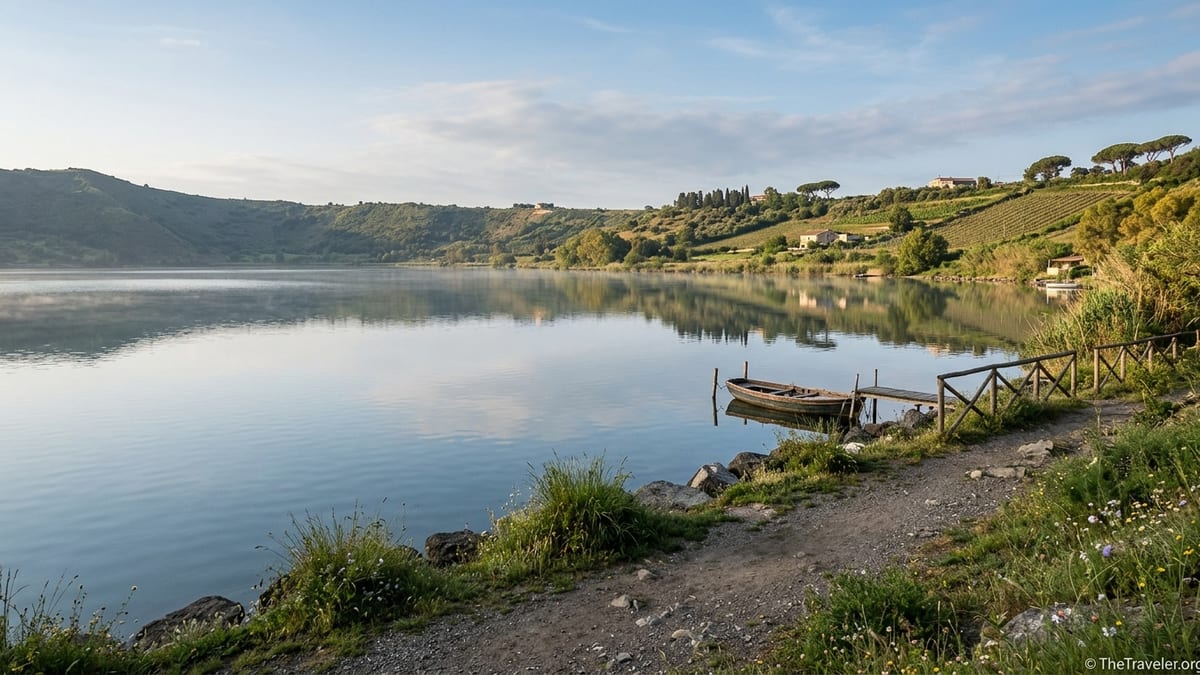
Lake Averno, or Lago d’Averno, is a volcanic crater lake in the Phlegraean Fields, about 15 to 20 kilometers west of central Naples and a few kilometers inland from the port town of Pozzuoli. It is one of four main lakes scattered through this restless volcanic landscape. Unlike the dramatic caldera of Vesuvius, Averno feels modest in scale. The lake is roughly 2 kilometers in circumference, ringed by low wooded slopes and vineyard plots rather than steep mountains. You are never far from a country lane, a farmhouse, or the faint hum of a distant road.
Visually, Averno is atmospheric more than spectacular. On a calm morning, mist sometimes hangs above the water and the surrounding ring of hills forms a sheltered bowl that muffles sound. You might see fishermen in small boats checking nets or locals jogging the lakeside path. This is not the eye-popping, cliff-and-cove scenery of the Amalfi Coast or the wide bay views from Castel Sant’Elmo. It is a softer, more intimate landscape that rewards slow travel and historical imagination.
The lake is open at all hours, and there is no entry ticket or gate. In practical terms, this means you can show up before dawn to watch the light come up over the crater rim, or stay after sunset if you have your own transport. It also means services are minimal. Apart from a few lakeside restaurants and agriturismi in the wider area, Lake Averno feels more like the edge of the countryside than a polished resort.
Myth, History and Archaeology Around the Crater
Lake Averno is most famous for its role in classical mythology. Ancient writers described clouds of toxic vapors rising from the water, killing birds in flight and marking the spot as a doorway to the underworld. Roman poet Virgil placed here the descent of Aeneas into Hades, guided by the Cumaean Sibyl. Even if the science behind those “deadly fumes” was exaggerated or misinterpreted volcanic gas, it set the tone for centuries. Standing by the still, dark water today, it is not hard to understand why the ancients thought this place was uncanny.
Physical traces of that ancient world are still visible in the landscape. On the northern side of the crater stood a Temple of Apollo, now largely collapsed but recognizable in scattered ruins and low walls on the hillside above the water. Near the lake you find entrances to manmade tunnels such as the Grotta di Cocceio, an almost one kilometer long Roman gallery cut through the tuff rock to link Averno with the city of Cumae. The tunnel itself has been closed for safety for several years, but even the blocked portal and interpretive panels help you imagine the engineering effort that transformed the lake into part of a naval base in the first century BC.
To get a fuller sense of the context, many visitors combine Averno with nearby sites in the Phlegraean Fields. The archaeological park at Cuma, with its acropolis and the famous trapezoidal tunnel long associated with the Sibyl, is roughly a 10 to 15 minute drive away. The submerged ruins of Baiae can be visited by glass-bottom boat from the coast a short distance west. Combined with Lake Averno, these stops turn an otherwise modest lake into a compelling story of Rome’s western frontier, where military ports, luxurious villas and volcanic forces collided.
What You Can Actually Do at Lake Averno
The single most accessible activity at Lake Averno is walking or running the path that circles the water. A reasonably flat trail and small local road loop around the lakeshore, making for a gentle 45 to 60 minute stroll at a relaxed pace. You will share the route with joggers, dog walkers and occasional cyclists. This walk offers constantly changing perspectives on the crater walls, the vineyards climbing the slopes, and the little fishing jetties and boats tied up along the shore.
Cycling is another realistic option if you have a rental bike. The loop itself is easy, though reaching Averno on two wheels from central Naples involves traffic and some hills. Some visitors bring folding bikes on the train to Pozzuoli or Cuma and ride the remaining stretch. For most travelers, though, the lake is more about a leg-stretch than a full-day cycling mission.
Swimming is not typical here, and local advice should be taken seriously. While you may see isolated swimmers or people launching kayaks, this is not a monitored bathing lake with lifeguards, marked swimming zones or clear water quality information on site. Locals often recommend swimming instead at the lidos on the coast at nearby Lucrino or Miseno, where beach clubs rent out loungers and umbrellas during the summer season. If you want water-based activity at Averno itself, a more realistic option is to rent a small rowboat or pedal boat from one of the lakeside businesses when they are operating in good weather, which allows you to drift along the shore and appreciate the crater from the water without needing to enter it.
Food and drink around the lake lean toward casual, countryside experiences rather than big-name destinations. On weekends, Neapolitans drive out to agriturismi and trattorie in the Campi Flegrei for long lunches, sometimes combining a lakeside walk with a meal of grilled fish, house wine and seasonal vegetables. In the vineyard-covered hills around Averno, some wineries offer tastings of local Campi Flegrei DOC wines crafted from grapes like Falanghina and Piedirosso. These are not always walk-in operations, so if wine is a priority, it is wise to research current options and book ahead rather than hoping to stumble across an open tasting room.
Getting to Lake Averno from Naples
Reaching Lake Averno from central Naples takes around 40 to 60 minutes one way, depending on your mode of transport and traffic. With a rental car, the most direct route typically runs west on the tangenziale ring road toward Pozzuoli and then inland following local signs for Lago d’Averno. The last stretch is on smaller roads that can feel semi-rural, especially as you climb slightly into the crater rim and descend toward the water. Parking tends to be informal along the lakeside road near restaurants and small businesses, and it can be busier on sunny weekends when locals escape the city.
Without a car, most visitors rely on a combination of urban rail and local buses or taxis. Regional rail services such as the Cumana line run from central Naples (stations like Montesanto) toward coastal towns in the Phlegraean Fields. From stations near Lucrino or Cuma, a short taxi ride or a modest but not always well-signposted walk brings you to the lake. The times and reliability of local buses changing at Pozzuoli or Lucrino vary, and schedules are not always reflected accurately in foreign-language journey planners, so you should build in margin for delays and verify timetables shortly before travel.
For travelers who dislike navigation puzzles, a guided excursion can remove the logistics. Some Campi Flegrei tours sold through local agencies in Naples include a stop or viewpoint at Lake Averno along with visits to Pozzuoli’s Roman amphitheater, the Solfatara area when access is permitted, or the archaeological park at Cuma. These outings can cost more than handling transport independently, but they simplify things and typically include commentary that sets Averno in its wider geological and historical frame.
Who Will Find Lake Averno Worthwhile
Lake Averno is most rewarding for travelers who enjoy quiet, historically charged landscapes rather than big-ticket attractions. If the idea of standing on the shore of a lake once imagined as an entrance to Hades excites you, or if you love piecing together fragments of the ancient world in their original setting, Averno fits naturally into a day exploring the Phlegraean Fields. Pairing the lake with the ruins of Cuma, a walk around the port of Pozzuoli, or a wine-focused lunch in nearby vineyards can create a day that feels both relaxed and intellectually satisfying.
Nature lovers and runners staying in Pozzuoli or nearby towns often appreciate Averno as a local escape. Compared with the crowded waterfront along Via Partenope in Naples or the tourist churn at Pompeii, a morning loop of the lake is an antidote. Birdsong, rustling reeds, and the smell of damp soil after rain deliver a type of Campania very different from pizza ovens and baroque churches. Photographers drawn to subtle moods and reflections rather than dramatic peaks may also find plenty to work with, especially in the soft light of early morning or late afternoon.
On the other hand, if you are on a short first-time visit to Naples and still deciding between Pompeii, Herculaneum, the Amalfi Coast, Capri and Vesuvius, Lake Averno will likely not rank above those headline destinations. It lacks monumental ruins like Pompeii’s forum, the iconic harbor views of Capri’s Marina Grande, or the cliffside drama of Positano. Visitors expecting a developed resort with beach clubs and rental facilities at every turn may be underwhelmed by how low-key, and occasionally scruffy, the lakeshore can feel.
Pros, Cons and How It Compares to Other Day Trips
Thinking of Lake Averno as part of a portfolio of possible day trips from Naples helps clarify whether it belongs on your personal list. On the positive side, Averno is crowd-light even in high season compared with Capri or Positano. You can often complete a full lap with long stretches of near solitude, something increasingly rare around Naples. There is no admission fee, and the lake’s constant presence in classical literature provides a depth of backstory that few small bodies of water can match. If you are the kind of traveler who enjoys pointing at a quiet slope and knowing that Roman generals once planned naval campaigns nearby, those intangible layers add value.
The downsides relate mostly to infrastructure and expectations. Public transport access is less straightforward than to marquee sites like Pompeii or Sorrento, where direct and frequent trains run from Naples. Services around the lake itself can be patchy, with some restaurants and boat rentals operating mainly on weekends, holidays and in the warmer months. Weather also matters more here than in the city. In heavy rain or thick fog, visibility around the crater rim drops and the lakeside path is less pleasant, so flexibility in your schedule is helpful.
Compared with other Campi Flegrei stops, Averno sits somewhere in the middle in terms of visual drama. The Solfatara area, when accessible, offers bubbling mud pools and fumaroles that more overtly showcase volcanic activity. The amphitheater at Pozzuoli appeals to fans of grand Roman engineering, while the underwater park at Baiae delivers the rare experience of viewing sunken mosaics and villa foundations from a glass-bottom boat. Lake Averno complements these rather than competes with them. It is a setting, a mood and a narrative pivot point more than a headline act.
Planning Tips: Timing, Safety and Seasonal Considerations
In practical terms, spring and autumn are the most comfortable seasons to visit Lake Averno. From roughly April to early June and late September to October, temperatures are usually mild enough for long walks without intense heat, and the surrounding hills are green. In midsummer, the crater can feel hot and still by midday, with limited shade along parts of the lakeside loop. Early morning or late afternoon visits work better in July and August, especially if you plan to walk the full circuit.
Because the lake sits within an active volcanic field, it is wise to stay broadly aware of local guidance. The Campi Flegrei has experienced periods of increased seismic activity in recent years, and authorities occasionally adjust access to specific fumarolic zones or caves. These changes rarely affect a casual stroll along the open lakeshore, but if you plan to link your visit with tunnels, caves or more adventurous explorations, checking recent information from local tourism offices or civil protection updates is prudent.
Standard common-sense precautions apply. Paths can be muddy after rain, so non-slip footwear is more practical than city-fashion sandals. Bring water, especially if traveling by public transport, as vending options are limited directly on the path. At dusk or after dark, some stretches feel quite isolated, and lighting is inconsistent, so most visitors prefer to plan their walk during daylight. As in any semi-rural area around a large city, keep valuables discreet and avoid wandering far into overgrown side tracks.
If you hope to combine Averno with wine tasting or a long lunch, aim for a weekday or weekend midday arrival and consider calling ahead to confirm opening hours at any specific agriturismo or winery you have in mind. Local dining culture leans toward long, sociable meals rather than fast service, so allow generous time. For travelers without Italian language skills, learning a handful of key phrases for reservations and timetables can make interactions smoother.
The Takeaway
Lake Averno is worth visiting during a trip to Naples if you have the time and temperament for a quieter, more reflective corner of the region. It will not upstage Pompeii or the Amalfi Coast, but it offers something those destinations increasingly struggle to provide: space, silence and a sense of standing in a landscape where myth, geology and history blur together. For travelers fascinated by the ancient world, volcanic environments or the idea of tracing Virgil’s footsteps on a real shoreline, Averno can easily justify a half-day or a slot in a broader Campi Flegrei excursion.
If your stay in Naples is short and focused on the greatest hits, it is reasonable to leave Averno for a future visit. Yet for those returning to the city or looking for an offbeat chapter in their itinerary, an early morning walk around this modest crater lake followed by a rustic lunch in the surrounding hills can feel like discovering a quiet footnote to the Bay of Naples story. In the end, whether Lake Averno is “worth it” comes down less to the number of sights you can tick off and more to how much value you place on landscapes that whisper rather than shout.
FAQ
Q1. How long do I need to visit Lake Averno from Naples?
Most travelers find that half a day is enough, allowing time for the lakeside walk, a few photo stops and possibly a relaxed lunch nearby or a short detour to Cuma.
Q2. Is it safe to swim in Lake Averno?
Swimming is not common or well supported by facilities. Water quality is not clearly posted, there are no lifeguards and locals generally recommend swimming at nearby coastal beaches instead.
Q3. Can I reach Lake Averno by public transport from central Naples?
Yes, but it may involve a combination of suburban trains toward Pozzuoli or Lucrino and a short taxi or local bus ride. Services can be infrequent, so you should check current timetables and allow extra time.
Q4. Are there entrance fees or opening hours at Lake Averno?
The lake itself has no entrance fee and is accessible at all hours. Individual sites in the wider area, such as archaeological parks, may have tickets and set opening times.
Q5. Is Lake Averno suitable for children and families?
Families who enjoy easy walks and nature will likely find the lakeside loop manageable with older children. Parents should supervise youngsters closely near the water and along sections where cars occasionally pass.
Q6. What should I wear and bring for a visit?
Comfortable walking shoes, water, sun protection and a light jacket in cooler months are usually sufficient. After rain, parts of the path can be muddy, so avoid slippery footwear.
Q7. Can I combine Lake Averno with other nearby attractions in one day?
Yes. Many visitors pair Averno with the archaeological site of Cuma, the port town of Pozzuoli or the coastal area around Baiae and Lucrino to make a varied full-day excursion.
Q8. Are there restaurants or cafes around the lake?
There are a handful of lakeside and nearby restaurants, as well as agriturismi and wineries in the surrounding countryside. Opening hours may be seasonal, so confirming in advance is wise if you are counting on a particular place.
Q9. Is Lake Averno accessible for people with limited mobility?
Some stretches of the lakeside road are reasonably flat and paved, but surfaces can be uneven and not all sections are suited to wheelchairs or mobility aids. A short scenic stop by car is easier than attempting the full circuit.
Q10. Is Lake Averno a good alternative to visiting Vesuvius?
Averno and Vesuvius offer very different experiences. Vesuvius provides sweeping views and a classic volcano crater, while Averno is quieter, more focused on myth and gentle landscape. Ideally, they complement rather than replace each other.