


Sweden has a way of staying slightly off the classic Europe tourist trail, even as more than six million international visitors arrive each year. For many travelers, it raises a fair question: is Sweden really worth visiting compared with blockbuster destinations like Italy or France, and what exactly should you expect if you go? The honest answer is that Sweden rewards curious travelers who value clean, well run cities, easy access to nature, and a slower, quietly confident culture more than headline attractions. It is not a budget escape, it is not always sunny, and some aspects of daily life can surprise first time visitors. Yet for the right traveler, Sweden can be one of Europe’s most satisfying trips.
Get the latest updates straight to your inbox!
Why Sweden Keeps Climbing Up Travel Wish Lists
By 2024, international arrivals to Sweden had climbed back to well over six million visitors a year, a sign that word has quietly spread about its appeal as a city and nature destination rather than a one sight country. Travelers are not coming for a single landmark. Instead, they mix a few days in Stockholm or Gothenburg with island-hopping in the archipelagos, hiking in national parks, or chasing the northern lights in Swedish Lapland. This balance is what many people end up loving most: you can spend the morning in a design museum and the afternoon on a pine-fringed island reached by a local ferry.
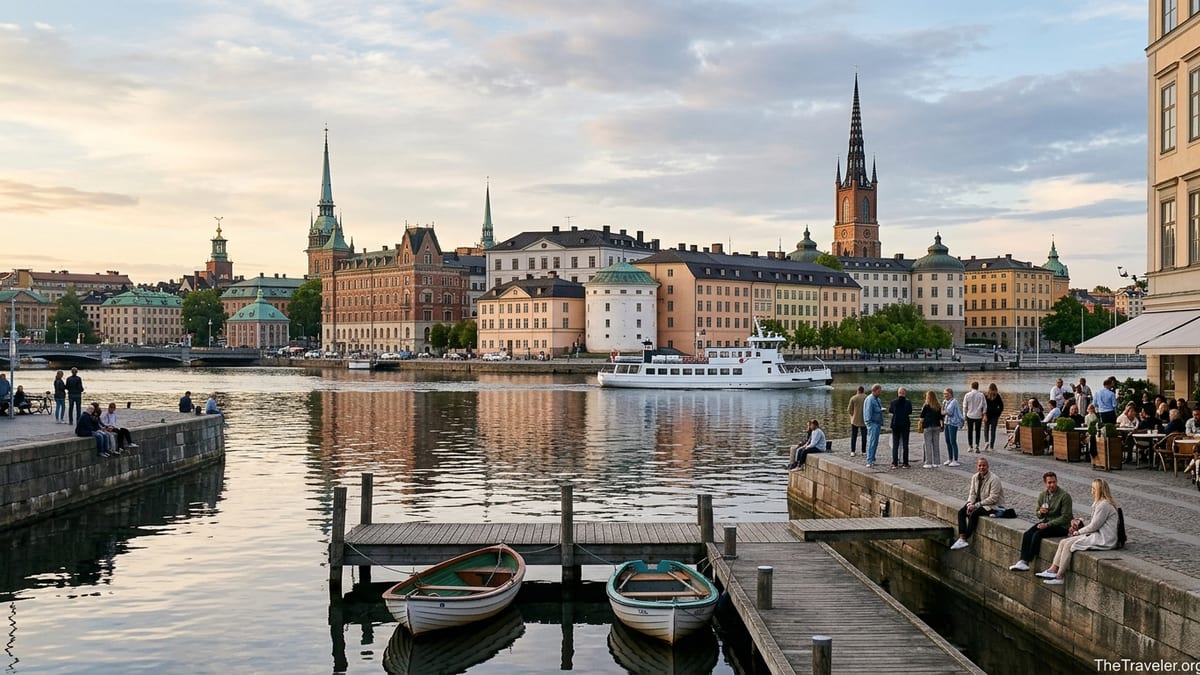
Stockholm in particular tends to convert skeptics. Spread over 14 islands between Lake Mälaren and the Baltic Sea, it feels at once historic and contemporary. Visitors stroll Gamla Stan’s medieval alleyways, then cross a bridge into Södermalm’s converted warehouses filled with third wave coffee bars and vintage shops. Even first timers who have already visited Copenhagen or Oslo often comment that Stockholm feels more layered: royal palaces and cobblestones in one direction, subway stations decorated with bold public art in another, and a ferry to the outer archipelago right at their doorstep.
Beyond the capital, travelers are discovering smaller cities and regions that match niche interests. Food lovers head to Gothenburg for its seafood and relaxed west coast vibe, while history fans book summer trips to Gotland’s walled medieval town of Visby. In winter, Kiruna and Abisko in the far north have become sought after for aurora safaris and snowbound adventures. Sweden does not shout for attention, but for travelers who like variety without chaos, it delivers a remarkably well rounded experience.
The Everyday Experience: Clean, Orderly and Surprisingly Relaxed
One of the first things visitors notice is how orderly daily life feels. Public transport tends to be punctual, streets and parks are well maintained, and tap water is safe and excellent quality almost everywhere. In Stockholm, the SL transit network ties together metro, buses, commuter trains and local ferries. Many visitors use a 24 or 72 hour travel card to glide between museums on Djurgården island, commuter boat rides through the harbor, and evening dinners in Vasastan without ever needing a taxi.
What can surprise some travelers is how relaxed the social atmosphere feels inside that structure. For example, the concept of fika, a dedicated pause for coffee and a pastry with friends or colleagues, is taken seriously all over the country. Mid morning, local bakeries in neighborhoods like Östermalm or Haga in Gothenburg fill with people sharing cinnamon buns, cardamom rolls and conversation. Visitors who lean into this rhythm often find themselves slowing down, using fika as a daily anchor between sightseeing stops instead of racing through a checklist of attractions.
Language is another point that makes everyday experiences easier. In large cities and tourist regions, a very high percentage of Swedes speak fluent English, from hotel receptionists and train conductors to supermarket staff. This means you can ask detailed questions about ingredients, train connections or hiking trails without worrying about misunderstandings. Menus in Stockholm, Malmö and most sizable towns are often bilingual by default, which lowers the stress of ordering in unfamiliar environments.
Urban Highlights: Stockholm, Gothenburg and Beyond
Stockholm remains the logical starting point for most trips. Many visitors spend a day in Gamla Stan for the Royal Palace, narrow lanes and waterfront views, then move outward. On Djurgården island, three of Sweden’s best known attractions sit within walking distance: the Vasa Museum with its salvaged 17th century warship, the open air Skansen museum that recreates traditional Swedish life, and the more contemporary ABBA Museum. A typical combined ticket or separate entries will add up, but travelers often describe this cluster as one of the most engaging museum days in Scandinavia.
Gothenburg, on the opposite west coast, offers a different feel. Streetcars trundle past canals and leafy boulevards, and the city’s identity is shaped by its port and proximity to the Bohuslän archipelago. Many visitors base themselves near the Avenyn boulevard or the Linné and Haga neighborhoods, then take day trips out to islands like Vrångö or Styrsö, reached by local ferries from Saltholmen. Food is a major draw: seafood halls, informal bistros and a growing number of Michelin noted restaurants make Gothenburg a strong choice for travelers who like combining coastal walks with memorable meals.
Smaller cities and towns add flavor once you have covered the major centers. Uppsala, just north of Stockholm, is known for its grand cathedral and university atmosphere, and can be visited on a simple day trip by train. On the island of Gotland, Visby’s intact medieval walls, rose-covered lanes and Baltic Sea beaches make it especially popular in July and August. In the south, Malmö and nearby Lund offer an easy taste of Scania’s flat farmlands, beaches and contemporary urban planning, all connected by frequent trains to Copenhagen Airport, which many travelers use as a gateway.
Nature, Seasons and Experiences You Can Only Have in Sweden
Part of Sweden’s appeal is how quickly you can trade urban streets for forests, lakes and islands. From central Stockholm, a commuter boat can glide you to Fjäderholmarna island in about 30 minutes, where pine trees, rocky shorelines and small craft studios feel a world away from the city. In 2024, the Stockholm Archipelago Trail, a hiking route spanning around 270 kilometers across multiple islands, opened up multi day island-hopping hikes that combine local ferries, coastal paths and stays in small guesthouses. For hikers who like sea breezes as much as mountain views, this is a uniquely Swedish experience.
Farther north, Swedish Lapland offers classic Arctic activities with a somewhat quieter atmosphere than more famous Finnish resorts. In winter, travelers fly or take night trains to hubs like Kiruna, then join small group excursions for snowshoeing, husky sledding, cross country skiing and aurora chasing. Some choose to stay at the original ICEHOTEL in Jukkasjärvi, where rooms are carved each year from snow and ice and temperatures inside hover around freezing, with warm common areas and saunas nearby. This is not essential to enjoy the region, but for some visitors it becomes the highlight of their Swedish trip.
Summer brings a different magic. In June and July, much of the country enjoys long, lingering evenings, with the midnight sun shining in the far north. Locals flock to lakes and archipelagos, rent simple red cottages, and celebrate Midsummer with flower crowns and outdoor feasts. For travelers, this season is perfect for cycling on Gotland, hiking in national parks like Abisko or Skuleskogen, or simply swimming off a rock ledge in the Stockholm or Gothenburg archipelagos. Even more modest experiences, such as picking berries along a forest trail or grilling by a lakeside cabin, can feel special because of Sweden’s right of public access, which generally allows responsible roaming in nature.
Costs, Cashless Payments and Practical Surprises
One of the most common hesitations about Sweden is cost, and there is no way around it: compared with many European destinations, daily expenses can be high. A mid range hotel in central Stockholm or Gothenburg often runs at a similar price to major Western European capitals, and restaurant meals add up quickly. A casual sit down dinner with a main course and a drink in Stockholm might easily reach a level that budget travelers would associate with a special night out in other countries. On the other hand, tap water is free and good, tipping expectations are lower than in North America, and many museums offer free entry days or reduced evening tickets that can soften the blow.
Transport and groceries also reflect the higher cost of living, but smart planning helps. Long distance trains operated by companies like SJ can be significantly cheaper when booked early, sometimes dropping to a fraction of walk up fares on popular routes such as Stockholm to Gothenburg or Stockholm to Malmö. Buying snacks and picnic lunches from supermarket chains rather than eating every meal in a cafe can also reduce daily spending. Travelers who prioritize simple pleasures like waterfront walks, people watching and park picnics often find they can enjoy Sweden without constant paid attractions.
The near cashless nature of Swedish society is another surprise that affects daily logistics. In most cities, buses, airport coaches, metro systems and even some public toilets do not accept cash at all. Instead, payments are handled by contactless cards, mobile apps and chip and PIN terminals, many of which automatically detect foreign cards. For visitors, this is usually convenient, but it can catch people off guard if they arrive with a pocket full of banknotes expecting to use them for small purchases. Keeping one or two internationally recognized credit or debit cards is far more important than carrying large amounts of cash.
That said, cash is not entirely gone, and there has been some official discussion about ensuring that essential services such as grocery stores and pharmacies continue to accept physical currency so that vulnerable residents are not excluded. A small stash of Swedish krona is still useful in rare situations, particularly in very small towns or at independent kiosks that have not upgraded their card terminals. For most travelers, though, the bigger mindset shift is accepting that tap and go payments are the norm, even for things as small as a coffee or a bus ticket.
Safety, Social Climate and Sweden’s New Strategic Role
From a traveler’s perspective, Sweden generally feels safe, especially in comparison with many large cities around the world. Violent crime is relatively rare in tourist areas, and visitors are more likely to encounter minor nuisances such as bicycle theft or pickpocketing in crowded spaces than serious incidents. Basic urban awareness will go a long way: keeping bags zipped on Stockholm’s metro, not leaving phones on cafe tables next to the street, and being cautious late at night around central stations is usually sufficient.
Recent years have brought more media attention to gang related crime and political debates about integration, and Sweden’s accession to NATO in March 2024 marked a historic shift away from two centuries of military non alignment. For many travelers, these developments raise questions about whether the country feels tense or militarized on the ground. In practice, most visitors still experience a calm, orderly environment. You may notice occasional news headlines about security debates or see more visible police at big events, but day to day sightseeing, dining and outdoor activities are largely unaffected.
Socially, Sweden can feel reserved to newcomers. People tend to keep to themselves in public spaces, speak in low voices on trains, and avoid small talk with strangers. This can initially read as coldness, but many visitors report that once they ask a practical question or show genuine interest, locals are helpful and often go out of their way to give detailed answers. It is common, for instance, for someone on a tram in Gothenburg to walk a visitor off at the correct stop and point out which platform they need for their connecting bus, all while insisting that this is perfectly normal.
Who Is Sweden Right For, and Who Might Be Disappointed?
Sweden tends to suit travelers who value atmosphere and everyday quality of life as much as big ticket sights. If you enjoy design focused hotels, long walks through waterfront districts, well marked hiking trails, and the feeling of slipping into local routines rather than racing through attractions, the country has a lot to offer. Families appreciate the abundance of playgrounds, child friendly museums and family cabins, while solo travelers often remark on the ease of getting around in English and the reassuring sense of safety.
On the other hand, visitors seeking constant nightlife, very hot weather or classic postcard monuments might find Sweden less compelling. There is no equivalent of the Eiffel Tower or Colosseum, and even Stockholm’s nightlife scene, while lively in areas like Södermalm and Stureplan, can feel more contained than in cities known primarily for partying. Budget travelers who are counting every euro may also feel squeezed, especially in peak summer and around Christmas, when accommodation prices are at their highest.
Weather is another decisive factor. Outside of high summer, Sweden’s climate is frequently cool and changeable. A trip in April might involve bright sun one day and cold drizzle the next, and winter days in central and northern regions are short, with long nights that suit aurora hunting but not those craving daylight. Travelers who pack layers, accept the possibility of rain, and plan cozy indoor interludes in cafes and museums tend to fare far better than those expecting constant blue skies.
The Takeaway
So, is Sweden worth visiting? For many travelers, the answer ends up being yes, wholeheartedly, but not for the reasons they expected. Sweden rarely dazzles with grand spectacles. Instead, it wins people over through the cumulative effect of clean cities set on glistening water, ferries that function as everyday transport, forests and islands that begin just beyond tram lines, and a culture that values calm, equality and time for coffee as much as efficiency.
If you are looking for a destination where you can mix world class museums with wilderness trails, sip coffee with locals in understated cafes, and feel that daily logistics are mostly taken care of, Sweden is a strong candidate. It may ask more of your budget and a bit of flexibility with weather and social norms, but in return it offers a kind of travel experience that grows on you long after you have left. For travelers who appreciate subtlety and substance over spectacle, Sweden is not just worth visiting; it is worth lingering in.
FAQ
Q1. Is Sweden expensive to visit compared with other European countries?
Sweden is generally on the higher end of the price scale, similar to its Nordic neighbors. Accommodation, restaurant meals and alcohol are especially costly, but using public transport, booking trains in advance, and mixing supermarket picnics with occasional restaurant splurges can keep a trip manageable for mid range budgets.
Q2. Do I need to carry cash, or can I rely on cards in Sweden?
In most situations you can rely almost entirely on debit or credit cards, including contactless payments, for everything from metro tickets and museum entry to coffee and groceries. Keeping a small amount of Swedish krona as backup is wise for rare cases where card systems are down or a small business prefers cash, but it is not essential for day to day expenses.
Q3. Is Sweden safe for solo travelers and families?
Sweden is widely considered safe for visitors, including solo travelers and families with children. Standard urban precautions still apply, especially in busy transport hubs at night, but violent incidents involving tourists are rare and public spaces are usually well lit and well monitored.
Q4. When is the best time of year to visit Sweden?
The best time depends on what you want to do. June through August offer long days, outdoor festivals and ideal conditions for archipelago trips and hiking. December through March are best for snow based activities and northern lights in Swedish Lapland. Spring and autumn can be quieter and cheaper, with changeable weather but fewer crowds.
Q5. Will I have trouble if I only speak English?
In major cities, tourist destinations and transport hubs, you are unlikely to have any difficulty using only English. Most Swedes study it for many years at school and are comfortable answering questions, explaining menus and giving directions in English. In very rural areas, older residents may prefer Swedish, but someone nearby will usually be able to help translate.
Q6. Is Sweden a good destination for seeing the northern lights?
Yes, northern Sweden, particularly areas above the Arctic Circle such as around Abisko and Kiruna, is well positioned for aurora viewing from roughly late autumn to early spring. Clear skies and darkness are crucial, so most travelers plan at least a few nights in the region to increase their chances, often combining evening aurora tours with daytime activities like snowshoeing or dog sledding.
Q7. How easy is it to get around Sweden without renting a car?
For many itineraries, it is quite feasible to travel without a car. High speed and regional trains connect major cities, local buses and trams cover urban areas, and boats link many islands. Some remote cabins and small villages are easier to reach with a car, but first time visitors focusing on Stockholm, Gothenburg, Malmö, Uppsala or well known nature areas often manage comfortably with public transport and occasional taxis.
Q8. What should I pack for a trip to Sweden?
Layers are more important than specific fashion. Even in summer, evenings can be cool, so bring a light jacket, a sweater, comfortable walking shoes and a waterproof layer. In winter, pack thermal underlayers, insulated boots, gloves, a hat and a windproof coat. Year round, a reusable water bottle and a small daypack are useful for city wandering and spontaneous nature detours.
Q9. Are there cultural norms I should be aware of as a visitor?
Swedes value personal space, punctuality and low key behavior in public. Speaking quietly on public transport, queuing politely, and arriving on time for tours or dinner reservations will be appreciated. Removing shoes when entering private homes is common, and tipping is modest compared with North America; rounding up the bill or leaving around 5 to 10 percent for good service is usually sufficient.
Q10. Is Sweden worth visiting if I am on a tighter budget?
It can be, as long as you adjust expectations. Choosing hostels or simple guesthouses, traveling outside peak summer, using supermarket food, taking advantage of free parks and city views, and focusing on nature experiences rather than constant paid attractions can make Sweden accessible. You may not dine in upscale restaurants every night, but you can still enjoy the country’s landscapes, neighborhoods and relaxed pace.