


Sweden combines quiet natural drama with thoughtful, design-forward cities, making it a country where the right tour or hotel can completely shape your trip. Whether you want to chase the northern lights in Abisko, sleep in a historic townhouse in Stockholm’s Old Town, or eat seafood on a granite islet outside Gothenburg, planning around a few exceptional, well run experiences can turn a good visit into a great one.
Get the latest updates straight to your inbox!
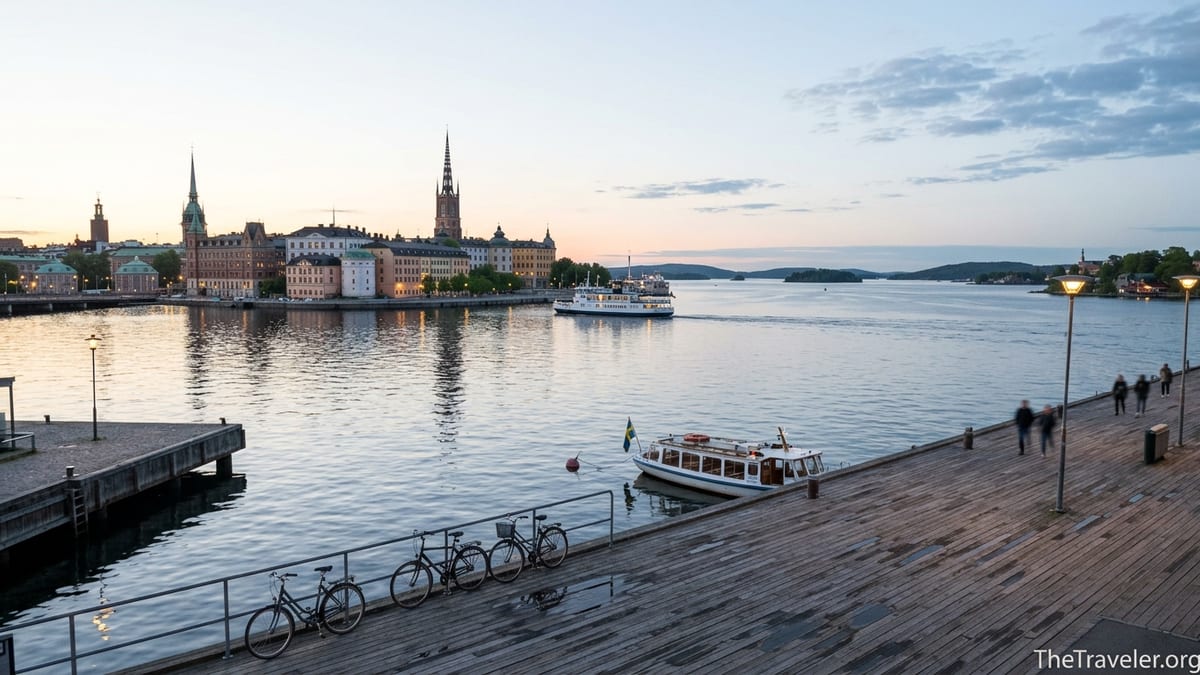
Design Hotels and Smart Stays in Stockholm
Most Sweden itineraries start or finish in Stockholm, and your choice of hotel matters because the city’s neighborhoods all have distinct personalities. Travelers who want classic luxury with waterfront views often book the Grand Hôtel opposite the Royal Palace. This historic property, a member of The Leading Hotels of the World, pairs traditional rooms with a modern Nordic spa and is a good fit if you want a “treat yourself” first or last night in Sweden.
If you prefer contemporary Scandinavian design, Nobis Hotel on Norrmalmstorg gives you high ceilings, clean lines and a central location that still feels stylish rather than corporate. The building is historic but the interiors are all muted tones and natural materials. Guests can usually walk to Gamla Stan, the waterfront ferry terminals, and the high-end shopping streets within 10 to 15 minutes, which helps if you only have a couple of days in the city.
Those looking for boutique character have a deep bench of options. Recent 2026 roundups highlight small, design-led properties such as Lydmar Hotel on the waterfront and several intimate townhouse hotels in Södermalm and the Old Town, often with 20 to 60 rooms, in-house restaurants and relaxed living room style lounges rather than formal lobbies. Many sit in the mid to upper price brackets, so they suit travelers who value atmosphere and location over the cheapest possible rate.
For value-focused visitors, Sweden’s big local chains still make practical sense. Properties like Scandic and Nordic Choice’s Clarion and Comfort brands offer modern, functional rooms, broad breakfast buffets and central locations, often for noticeably less than independent boutiques. Scandic in particular is expanding budget-friendly, compact-room concepts around Stockholm that appeal to price conscious travelers who mainly need a clean, quiet base for sightseeing.
Stockholm Tours and Urban Experiences Worth Booking
Stockholm’s island layout rewards guided experiences that connect the pieces into a story. A well structured introduction is a half-day walking tour of Gamla Stan, the Old Town. Small-group walks typically weave together stops at Stortorget, the Royal Palace and the narrow medieval lanes, explaining everything from the Vasa kings to why many buildings are painted in deep ochre and red tones. Opting for a guide on your first day helps you understand what you are seeing later when you explore alone.
For travelers who want to get out on the water without committing to a full archipelago trip, short sightseeing cruises around the central islands or the bridges of Stockholm are a straightforward add-on. They usually run from spring through autumn and last one to two hours, passing city hall, Södermalm’s cliffs and the low green islands just beyond the center. Evening departures often include simple dinners or drinks, making them a relaxed way to see more of the cityscape with minimal effort.
Food and design tours showcase what many visitors already suspect is a Swedish strong suit. Guided tastings in areas like Södermalm or Vasastan might include cinnamon buns and cardamom buns at local bakeries, tastings of cured salmon and Västerbotten cheese at indoor markets, and pauses for filter coffee in minimalist cafes. Design focused tours, meanwhile, tend to mix flagship stores from well known Swedish brands with smaller studios and vintage shops that help you understand Stockholm’s everyday aesthetic beyond the big-box names.
If you have extra time, the Stockholm Archipelago Trail, a 270 kilometer network of hiking paths across some 20 islands that opened in 2024, has quickly become a talking point among outdoors oriented travelers. National Geographic has already highlighted the trail as a notable destination for 2025. Even if you do not plan to through hike, you can book day tours that combine ferry rides, short sections of the trail and lunch at a guesthouse or dockside cafe, giving you a feel for the low granite islands and pine forests just beyond the city.
Northern Lights and Winter Adventures in Swedish Lapland
For many visitors, the single most memorable Sweden experience is watching the northern lights in Swedish Lapland. Abisko, a small settlement north of the Arctic Circle inside Abisko National Park, is widely regarded by aurora enthusiasts as one of the best places in the world to see the lights, thanks in part to a local microclimate that tends to keep skies clearer than surrounding areas. Travelers regularly report seeing the aurora on multiple nights out of short three or four night stays.
Specialist operators base multi-day northern lights photography trips in Abisko and nearby Kiruna, with 5 day itineraries for winter 2025 and 2026 already on sale. These small-group tours usually cap groups at around 8 to 12 people and bundle accommodation, warm outer clothing, evening aurora hunts and daytime activities such as snowshoe walks, ice fishing or short cross-country ski outings. A typical package might start around the mid range to premium price bracket per person for several nights, depending on inclusions, so it is worth comparing what is and is not covered before booking.
For independent travelers, the Swedish Tourist Association runs lodges and guided programs around Abisko that combine simple dinners with evening walks or chairlift rides to an aurora viewpoint. Guests who prefer not to drive in winter often arrive via overnight train from Stockholm on the Arctic Circle line, then base themselves at a hotel or hostel within walking distance of meeting points for nightly aurora chases. Joining at least one guided outing can be wise, since local guides read cloud cover and can move groups to clearer skies when conditions in the immediate area are poor.
Beyond the lights, Swedish Lapland offers classic winter experiences that are realistic to fit into a one week trip. Near Kiruna, visitors can book dogsledding day trips where small teams of huskies pull sleds through birch forest and frozen lake country, often with a campfire lunch. The Icehotel in Jukkasjärvi, rebuilt each winter from blocks of river ice, lets you choose one “cold room” night in sculpted ice with thermal sleeping gear, then follow it with more conventional warm nights in adjacent cabins or hotel rooms. These are not inexpensive experiences, but they are rare chances to sleep in structures that literally melt away in spring.
West Coast Archipelago and Seafood Experiences
On the opposite side of the country, Sweden’s west coast around Gothenburg offers mellow archipelago landscapes, seafood-focused trips and a very different feel from Lapland. From central Gothenburg, regular boats fan out to islands like Styrsö and Donsö, but a growing number of visitors opt for small boat tours that pair cruising with hands-on experiences. Companies operating from the Gothenburg area run excursions on traditional oak fishing boats with 60 years of local heritage, taking guests past low, wave polished rocks and seal colonies.
Many of these tours focus explicitly on seafood. Seasonal safaris between roughly April and October invite guests to help haul crab or lobster pots, learn about the region’s small-scale fishing traditions, then boil the catch on a smooth granite islet and eat simply prepared crab and prawns on the rocks. These trips are usually capped at small groups and may run as private charters in midsummer when demand peaks. Prices vary by operator and exclusivity, but they typically sit in the mid-range day tour bracket rather than ultra luxury charter territory.
Closer to Gothenburg, fast RIB boat experiences add a touch of adrenaline for travelers who enjoy speed. Operators combine high-speed runs across the outer archipelago with calm interludes around landmarks like Vinga lighthouse, finishing with seated seafood dinners in harborside restaurants. The flexible format suits mixed groups, since those less keen on speed can request gentler pacing and use the trip primarily as a chance to visit outer islands that see fewer standard ferries.
Travelers who want to tie the coast into a broader Sweden itinerary often combine two or three nights in Gothenburg with a longer Stockholm stay, using the high-speed train connection between the cities. Gothenburg’s compact center, strong cafe and food scene, and easy access to the islands make it a good “slower” chapter after a more structured Lapland or city-heavy trip.
Planning Multi Stop Sweden Itineraries
The most rewarding Sweden trips usually link a few distinct regions rather than staying put in a single city. A common pattern is to start with two or three nights in Stockholm to adjust to the time zone and explore the museums and Old Town, then head north on the overnight Arctic train to Abisko or Kiruna for four or five nights of winter activities and aurora hunting. Returning south, some travelers add a night or two in Uppsala or another smaller city before flying home.
In warmer months, you might instead pair Stockholm with the west coast and the archipelago. One realistic structure is three nights in Stockholm, including a half day walking tour and a boat trip, followed by a train ride to Gothenburg for three or four nights. From Gothenburg you can schedule a full day seafood safari or archipelago cruise and leave an unscheduled day for your own island hopping using local ferries. A final night back in Stockholm can be helpful if you are flying out early or want to hedge against train delays.
Budget wise, visitors often underestimate overall costs because Sweden tends to feel understated in its marketing. Hotel prices in central Stockholm and Gothenburg in high season are comparable to other northern European capitals, and restaurant prices can feel high to visitors from countries with weaker currencies. Booking some experiences that include meals, such as seafood tours or lodge packages in Lapland, can give you more predictable daily costs, while self catering breakfasts or simple picnic lunches help balance the budget elsewhere.
Transport planning also shapes how smoothly your itinerary fits together. Trains link Stockholm and Gothenburg in about three hours and continue north toward Lapland, while domestic flights connect Stockholm with Kiruna and other northern hubs in around 90 minutes. If you want to reduce your environmental footprint, choosing rail for at least one of your long northbound or southbound legs and then using local buses, walking tours and boats once on the ground is a practical compromise that still keeps travel times reasonable.
Choosing the Right Season for Your Sweden Trip
Sweden’s character changes dramatically with the seasons, and the best tours and hotels for you will depend on when you travel. From late September through March, the focus in the north is firmly on the aurora and snow-based activities. The current peak in the solar cycle, expected to bring elevated auroral activity through at least 2026 and into 2027, makes the next couple of winters particularly attractive for northern lights travelers who can handle cold temperatures and dark afternoons.
Winter in the cities is quieter and can be atmospheric, with snow dusting Stockholm’s rooftops and cozy lighting in cafes and bars. Hotel rates outside major holidays are often lower, and you will share main sites with fewer tour groups. That said, some archipelago tours and smaller coastal operations shut down or run limited schedules until spring, so you need to look specifically for winter-ready operators if boat trips or hiking are a priority.
From late May through August, Sweden shifts into a completely different gear. Long days and late sunsets in Stockholm and Gothenburg make it easy to pack a lot into each day, and the water is alive with ferries, kayaks and yachts. This is the best time for walking sections of the Stockholm Archipelago Trail, scheduling longer west coast boat trips and combining city visits with lake swimming and island picnics. It is also high season for both domestic and international tourism, so you should book desirable hotels and popular tours several months ahead when possible.
Shoulder seasons in April, early May and September offer a compromise between crowds and weather. You may encounter more changeable conditions, but you can often secure better hotel rates, and many tours still run on slightly reduced schedules. These months work particularly well for travelers who are less fixated on sunshine and more interested in line free museums, relaxed restaurant reservations and having scenic walking routes largely to themselves.
The Takeaway
Sweden rewards travelers who choose a handful of well considered experiences rather than trying to tick off a long list of superficial stops. Booking a characterful Stockholm hotel in a neighborhood that suits your style, investing in at least one thoughtful walking or food tour, planning a serious attempt at the northern lights in Abisko or Kiruna, and spending unhurried time in the west coast archipelago will give you a strong sense of the country’s rhythm.
As you plan, work backwards from your key priorities. If the aurora is non negotiable, fix your Lapland dates first and then fit Stockholm and any coastal time around that. If food and design are your main interests, focus more heavily on Stockholm and Gothenburg, using day trips and short cruises to access nearby nature. In every case, Sweden’s combination of reliable infrastructure, widespread English, and understated but high quality hospitality makes it a country where even ambitious itineraries feel manageable.
With the current northern lights conditions favorable through 2026, new hiking infrastructure in the Stockholm archipelago and a growing scene of small scale coastal and culinary tours, the next couple of years are an especially good window to book a Swedish trip. A bit of advance planning now can secure the tours and hotels that will shape your strongest memories later.
FAQ
Q1. When is the best time to visit Sweden for the northern lights?
The best period in Sweden is generally from late September to late March, with long, dark nights and a higher chance of clear skies in places like Abisko and Kiruna.
Q2. How many days should I spend in Abisko or Kiruna for a good chance of seeing the aurora?
Plan at least three to four nights in Swedish Lapland to improve your odds of at least one clear, active night, especially if you are traveling only once for this experience.
Q3. Do I need to rent a car to see the northern lights in Sweden?
No. Many visitors rely on overnight trains or flights to reach the north and then join small group aurora tours or stay at lodges that offer guided outings and gear.
Q4. Are Sweden’s boat and seafood tours suitable for children?
Most archipelago and seafood cruises welcome families, though very young children may find long or high speed trips tiring. Check age recommendations and safety gear with each operator.
Q5. How expensive are mid range hotels in Stockholm and Gothenburg?
Prices vary by season, but central mid range hotels often fall in line with other northern European capitals, especially in summer. Booking early and watching for flexible rates helps.
Q6. Can I visit the west coast archipelago in winter?
Yes, but services are limited. Some ferries run year round and a few operators offer winter boat trips, yet the broadest range of seafood and island tours operates from roughly late spring to early autumn.
Q7. Is it worth booking guided tours in Stockholm, or can I explore on my own?
You can explore independently, but a good walking, food or design tour can contextualize the city’s history and culture and often reveals smaller places you might not find alone.
Q8. How should I dress for winter tours in Swedish Lapland?
Dress in multiple warm layers, including thermal base layers, insulated mid layers, a windproof outer shell, warm boots, hat and gloves. Many tour operators provide additional outerwear.
Q9. Do I need to tip on tours and in hotels in Sweden?
Tipping is not obligatory in Sweden, but rounding up or leaving a small amount for excellent service on tours, in taxis and in restaurants is appreciated rather than expected.
Q10. Is it realistic to combine Stockholm, Lapland and the west coast in one trip?
Yes. With about 10 to 14 days you can spend several nights in Stockholm, three or four nights in the north and a few days around Gothenburg, using trains or domestic flights to connect them.