


Lapland has become one of the world’s most coveted winter escapes, with glowing images of glass igloos, Northern Lights and Santa’s snowy village flooding social media each season. But is Lapland really worth visiting once you factor in long journeys, serious cold and premium prices on almost every activity? The answer depends on what you are looking for. This guide breaks down what travelers genuinely love about Lapland, what often surprises them on arrival and how to decide if this Arctic adventure should be on your own travel list.
Get the latest updates straight to your inbox!
The Allure of Lapland: Why Travelers Are Obsessed
For many visitors, Lapland is the closest thing to stepping into a winter storybook. The region stretches across northern Finland, Sweden and Norway, but most international visitors head to Finnish Lapland hubs such as Rovaniemi, Levi, Saariselkä and Inari. Here you can stand on the Arctic Circle, ride husky teams across frozen lakes, sleep in glass-roofed cabins under the Aurora Borealis and visit theme parks devoted entirely to Santa Claus. The combination of Arctic wilderness and carefully built tourism infrastructure is what makes Lapland feel both exotic and surprisingly accessible.
Rovaniemi in particular has gained global fame as the official hometown of Santa Claus, complete with Santa Claus Village and SantaPark, two separate attractions where you can meet Santa year round, post letters from the Arctic Circle and wander among twinkling lights even in the dark heart of winter. Families fly in from London, Dubai, New York and Singapore specifically for a two to four day Santa themed trip, often timing it for early December before Christmas or in the quiet weeks of January when crowds thin but the snow remains deep.
Beyond the Christmas branding, Lapland offers something rarer in modern Europe: real remoteness within a functioning, safe society. Travelers often describe the silence as almost shocking. Drive 20 minutes outside Rovaniemi or Levi at night and you can stand under a sky so dark that stars feel close enough to touch. For urban visitors from places like Paris or Los Angeles, simply seeing the Milky Way and hearing nothing but the crunch of snow under boots can be the most memorable part of the trip.
Another major part of the appeal is how easy Lapland makes bucket list experiences. Tour operators in Rovaniemi, Levi and Inari arrange everything from thermal winter clothing and boots to pick ups at city hotels and ski resorts, so first timers in Arctic conditions do not have to navigate gear rentals or remote roads alone. You book a husky safari or Northern Lights chase and turn up in your usual winter clothes; within minutes you are zipped into a full snow suit and loaded into a sled or minibus heading into the forest.
Is Lapland Really Good for Northern Lights?
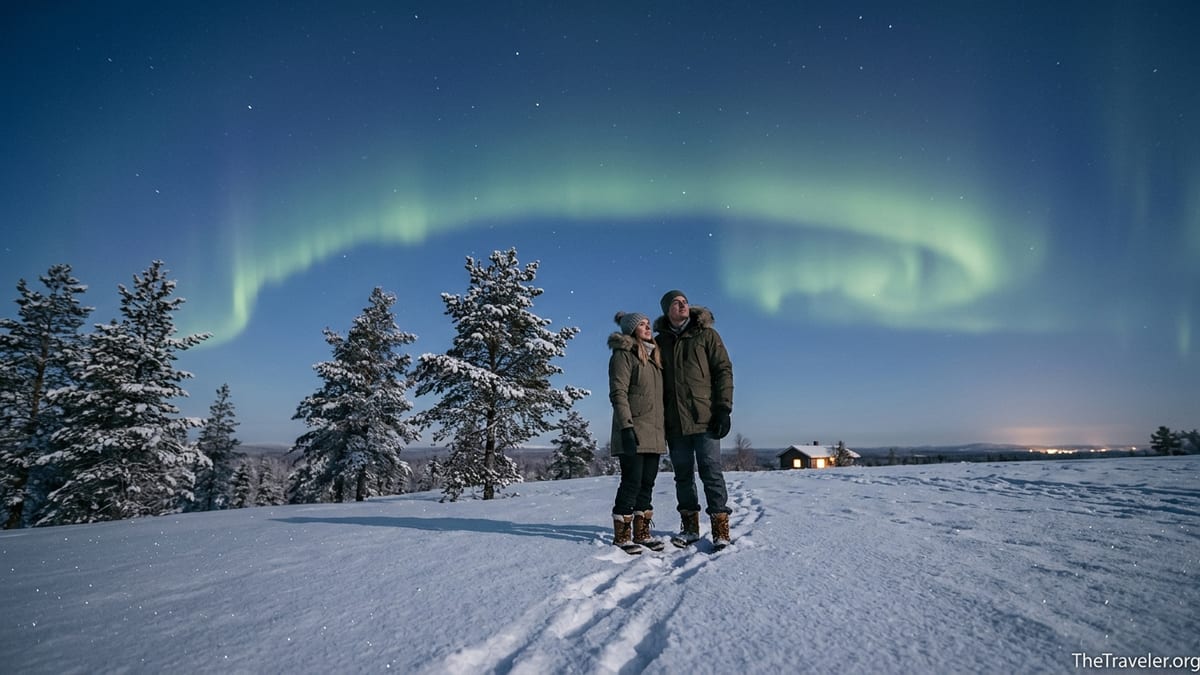
If you are traveling mainly for the Aurora Borealis, Lapland delivers some of the most reliable opportunities in Europe. Visit Finland notes that Northern Lights are visible in Lapland roughly from late August to April, with the highest probability in the dark winter months when clear skies coincide with strong solar activity. Around Rovaniemi, locals talk about seeing auroras on up to two hundred nights per year, although visitors on short trips should keep expectations realistic and treat them as a bonus rather than a guarantee.
In practice, most first time visitors book a dedicated aurora tour at least once. In Rovaniemi, small group Northern Lights chases that last 3 to 4 hours and include warm winter clothing, hot drinks and photography support commonly start around 100 to 130 euros per adult in the 2025 to 2026 winter season, with child discounts. Some premium tours that emphasize very small groups, real time cloud tracking and unlimited driving to clearer skies can run closer to 230 to 260 dollars per person. These tours typically pick you up from central hotels and drive out along forest roads or frozen rivers until they find a gap in the clouds.
Levi and Saariselkä, further north and with less light pollution than Rovaniemi, are popular with travelers whose priority is aurora viewing rather than Santa themed attractions. Resorts around Levi market the area as one of the most dependable places in Finland to see the Northern Lights in winter, thanks to long hours of darkness during the polar night and frequently clear skies. Many hotels offer wake up calls if the aurora appears, and some glass roofed igloo style cabins exist almost solely to let guests watch the sky without leaving bed.
However, one of the biggest surprises for visitors is that the Northern Lights can be subtler to the naked eye than they appear in photos. Cameras pick up color and contrast that human vision often struggles to see in the dark. Travelers regularly report that what looked like a spectacular green curtain on their camera appeared to their eyes as a faint whitish arch or gentle glow. If you arrive expecting neon green streaks every night, you may feel underwhelmed. Those who appreciate the wider Arctic atmosphere – stars, snow, silence and perhaps a slowly shifting aurora band – tend to leave happy even if they do not witness dramatic displays.
What It Actually Costs: Activities, Food and Getting Around
One of the most important questions when deciding if Lapland is worth it is cost. Lapland is not a budget destination. Flights from Helsinki to Rovaniemi, the main air gateway, are frequent in winter and often priced like short haul European flights, but accommodation and activities in peak season can add up quickly. Many travelers use the overnight Santa Claus Express or Arctic Express trains from Helsinki to Rovaniemi and further north, which combine transport and a night’s lodging in a private sleeper cabin. These double decker night trains cover roughly 830 kilometers and are popular both with families and independent travelers who enjoy waking up beyond the Arctic Circle.
Once in Lapland, most visitors want to try at least a few headline activities. In Rovaniemi, half day husky safaris that include a 5 to 10 kilometer husky sled ride, warm clothing and hot drinks often cost in the ballpark of 150 to 220 euros per adult, with shorter family friendly taster rides at Santa Claus Village priced lower for children. Reindeer sleigh rides are usually a bit shorter and slightly cheaper, especially for simple 15 to 20 minute loops around a farm. Snowmobile safaris with twin driving on one snowmobile can easily reach or exceed 130 to 150 euros per person for a few hours of riding, with solo driving options higher.
Food prices surprise many travelers even more than activity costs. On site restaurants at popular resorts and Santa themed attractions tend to price main courses at levels similar to or above Nordic capitals. A simple lunch of soup and bread, or a burger and fries in Rovaniemi’s tourist center, can easily approach 15 to 20 euros per person before drinks. Dinners with local specialties such as sautéed reindeer, Arctic char or salmon are often in the 25 to 40 euro range for a main course in casual restaurants, more in fine dining venues. Self catering by shopping at local supermarkets and preparing simple meals in an apartment or cabin is one way many families keep overall costs under control.
Transport between towns is generally reliable but limited in frequency. Buses link Rovaniemi with Levi, Ylläs, Saariselkä and Inari, but schedules are often designed around ski season demand and may require careful planning. In winter, some visitors choose to rent a car fitted with proper winter tires, which allows flexibility to chase clear skies for the aurora or reach frozen lakes for ice fishing but demands confidence driving on snow and ice in subzero temperatures. For those who prefer not to drive, a combination of airport transfers, shuttle buses to attractions like Santa Claus Village and guided excursions often provides enough mobility for a short stay.
What May Shock First Timers: Cold, Crowds and Short Days
Travelers who fall in love with Lapland tend to embrace the extremity of the environment. Those who struggle often underestimated just how cold and dark it can be at the height of winter. In popular areas like Rovaniemi and Levi, daytime temperatures regularly drop to minus 10 to minus 20 degrees Celsius between December and February, and it can feel even colder when wind picks up on open fells or frozen lakes. Gloves, insulated boots, base layers and proper head coverings are not optional details; they are essential, especially for children.
Tour operators generally provide winter overalls and boots for activities, which reduces packing needs, but you still need adequate thermal layers under the suit and warm clothing for time spent walking around town. The cold is often manageable during a high energy husky sled ride or snowmobile safari but can feel intense during slower pursuits like watching the Northern Lights or standing in line at Santa attractions. Many travelers are surprised by how much time they spend moving from warm cabin to warm bus and back again rather than leisurely strolling outdoors.
The shortness of winter days also catches some visitors off guard. Around the winter solstice in late December, Rovaniemi experiences only a few hours of true daylight, framed by long periods of blue twilight. Further north in areas such as Inari, the sun may not rise above the horizon at all for several weeks. While this darkness is part of the magic, especially for aurora hunters, it can make sightseeing feel compressed into a narrow window. Families with young children sometimes find that jet lag plus limited daylight makes their first day or two feel disorienting.
Crowds form another surprise. Marketing imagery of Lapland often shows empty white landscapes and solitary glass igloos. The reality at popular times like Christmas and New Year in Rovaniemi is that you may share Santa Claus Village with coach groups, long queues and fully booked restaurants. Activity providers regularly report operating at or near capacity in peak weeks. Travelers who want a quieter experience often aim for mid January, February or early March and consider staying in smaller resorts like Luosto, Pyhä or Syöte instead of only in Rovaniemi.
When to Go: Different Seasons, Different Trips
Most visitors picture Lapland in deep winter, but timing affects almost everything about your experience, from costs to activities. Early winter from late November to mid December brings freshly opened ski slopes, growing snow cover and the build up to Christmas in Rovaniemi and Levi. Prices are high around weekends and early December Santa trips, but the atmosphere feels festive and intense. This is a sweet spot for families who want guaranteed Christmas theming with relatively moderate winter darkness compared to late December.
The core winter period from late December through February offers the most reliably snowy landscapes and the longest nights for Northern Lights hunting. This is when Lapland feels most Arctic, with frozen rivers, thick snow on trees and widespread opportunities for husky safaris, reindeer rides, ice fishing, snowshoeing and snowmobile tours. It is also the period of the deepest cold and, around New Year and school holidays, the highest demand for flights, hotels and activities. Booking several months ahead is common for popular glass igloo accommodations and Santa experiences.
March and early April provide a noticeably different feel. Days become longer, the sun climbs higher and conditions are ideal for skiing and snowboarding in Levi, Ylläs and Ruka as well as cross country trails throughout the region. Temperatures tend to moderate, often hovering around minus 5 to plus 1 degrees Celsius during the day, and many locals consider March the best all round month for winter sports. Aurora chances persist but shorten each week as light returns, so those who care more about daytime activities than long nights often prefer this shoulder period.
Summer Lapland is another world again. From June to July, the midnight sun keeps skies bright almost around the clock. Instead of husky sleds, visitors hike fells, paddle lakes, mountain bike and fish in rivers like the Ounasjoki and Kemijoki. Prices can still be high at resort hotels and glass cabins repurposed for summer stargazing, but crowds are thinner than in December and January. For travelers who want space, quiet trails and a softer climate but are less concerned about auroras or Santa, a summer or early autumn visit can make Lapland feel like an entirely different destination.
Who Lapland Is Perfect For, and Who Might Be Disappointed
Lapland tends to be most rewarding for travelers who love nature, cold climates and active days outdoors, and who accept that this comes with higher costs than many European city breaks. Families with children often find that the magic of meeting Santa in his Arctic hometown, riding a husky sled for the first time and roasting sausages over a campfire under the Northern Lights justifies the expense. Couples seeking a once in a lifetime romantic winter trip, especially those drawn to glass igloo style accommodations and private saunas, also frequently describe Lapland as worth every euro.
Adventure travelers who already ski, hike or camp in winter discover that Lapland offers an accessible Arctic playground without the remoteness of Greenland or Canada. They can base themselves in a small resort such as Saariselkä or Inari, spend days cross country skiing through national parks and nights aurora watching from frozen lakes, all while staying in comfortable cabins with hot running water and high speed internet. The balance of wilderness and infrastructure appeals strongly to those who want genuine nature with limited risk.
On the other hand, some visitors leave feeling that the region did not quite match expectations. Anyone looking mainly for nightlife, shopping or fine dining will find far more options in Helsinki or Stockholm than in Rovaniemi or Levi. Even the largest Lapland towns are small by international standards, with compact centers and relatively quiet streets once day trippers return to hotels. Travelers who prefer mild climates and dislike snow or heavy winter clothing may find the constant layering, icy pavements and short days draining rather than energizing.
Budget conscious travelers can also feel squeezed. While it is possible to trim costs by self catering, choosing less flashy accommodations and limiting paid activities, many of Lapland’s signature experiences such as husky safaris and guided Northern Lights chases are expensive by their very nature, involving animals, specialized gear and trained guides operating in remote conditions. Those expecting to recreate social media images with a minimal budget often experience sticker shock. Lapland is best approached as a trip where you accept higher base costs in exchange for experiences that are difficult to duplicate elsewhere.
The Takeaway
So is Lapland worth visiting? For travelers drawn to snow, silence and Arctic skies, the answer is usually yes, provided you know what you are signing up for. Lapland excels at delivering concentrated winter experiences in a relatively short trip, from husky rides through snow covered forests and quiet evenings in log cabins with private saunas to serious Northern Lights hunting with expert local guides. The infrastructure around hubs like Rovaniemi, Levi and Inari makes it easier than ever for first time visitors to step into the Arctic without having to plan an expedition.
At the same time, Lapland demands certain trade offs. You pay more for activities than in many ski resorts, face real cold and darkness, and sometimes share magical moments with large numbers of other visitors in Santa themed parks or on popular trails. Those who arrive prepared for high prices, extreme weather and the possibility that the aurora may stay hidden often come away with their expectations exceeded, not because everything was perfect but because the overall atmosphere feels unlike anywhere else in Europe.
If you dream of watching the sky shift green above a frozen river, sipping hot berry juice by a campfire deep in the forest or seeing your children’s faces when they step into Santa’s snowy village for the first time, Lapland is likely to feel well worth the effort. If your ideal vacation is a sun lounger, late night bars and shopping streets, you may want to appreciate the Arctic from afar. In the end, Lapland is not for everyone, but for the right traveler it offers something rare in modern travel: a genuine sense of wonder in a world of snow.
FAQ
Q1. When is the best time of year to visit Lapland?
The classic Lapland season runs from late November to early April, with December to February offering the deepest snow and darkest nights for winter activities and Northern Lights. March is ideal for longer days and excellent skiing, while summer from June to July brings the midnight sun and a focus on hiking, biking and lake activities instead of snow based tours.
Q2. How many days do I need in Lapland?
Most first time visitors stay between three and five nights, which is usually enough to fit in a Northern Lights tour, a husky or reindeer experience, one snowmobile or snowshoe activity and time at Santa themed attractions if you are based near Rovaniemi. Travelers heading further north to Levi, Saariselkä or Inari for skiing or more remote aurora watching often plan a full week.
Q3. Is Lapland suitable for young children?
Yes, Lapland is very popular with families, particularly around Rovaniemi where Santa Claus Village and SantaPark cater specifically to children. However, parents should be prepared for serious cold, short daylight hours and higher prices. Choosing family friendly activities, booking shorter safaris, and staying in accommodation with space to warm up and play indoors will make the experience easier for young kids.
Q4. Do I need to book tours in advance?
In peak season from early December through New Year and during major school holidays, it is wise to book key activities such as husky safaris, Northern Lights tours and Santa visits several months ahead, especially in Rovaniemi. In quieter months like mid January or late March there is often more flexibility, but popular glass igloo accommodations and certain small group tours can still sell out.
Q5. Can I see the Northern Lights without joining a tour?
It is possible to see the Northern Lights just by stepping outside your hotel or cabin when the sky is clear and aurora activity is strong, especially in darker areas away from town lights. However, guided tours increase your chances by driving you to locations with less cloud cover and light pollution, providing warm clothing and often helping with camera settings so you can capture the display.
Q6. How cold does it really get in Lapland?
Winter temperatures in Lapland commonly range from around minus 5 to minus 20 degrees Celsius, and occasionally lower during cold snaps. Wind chill can make it feel colder, particularly on open fells or snowmobile rides. With proper layered clothing, insulated boots, gloves, hats and the winter overalls many tour operators provide, most visitors find the cold manageable for a few hours at a time.
Q7. Is Lapland worth visiting if I am on a tight budget?
Lapland is one of the more expensive destinations in Europe, especially for activities and restaurant meals. Budget conscious travelers can reduce costs by visiting outside the very peak weeks, staying in simple cabins or apartments, cooking some meals and limiting paid activities. However, if your budget is very tight you may find it difficult to experience many of the classic Lapland highlights such as husky safaris or guided aurora hunts.
Q8. Do I need a car to get around Lapland?
You do not necessarily need a car if you plan to base yourself in one town such as Rovaniemi or Levi and rely on airport transfers, hotel shuttles and guided excursions that include pick up. Renting a car provides more freedom to explore smaller villages or chase clear skies for aurora viewing, but winter driving requires caution, and many visitors are happy to leave the roads to local professionals.
Q9. Is Lapland only about winter, or is summer worth it too?
Summer Lapland has a very different but equally appealing character, with the midnight sun, green fells, clear lakes and long days for hiking, biking and fishing. Prices for accommodation can still be relatively high in popular areas, but crowds are smaller than at Christmas. Travelers who enjoy outdoor activities and quiet landscapes without the extreme cold often find a summer trip to Lapland surprisingly rewarding.
Q10. How far in advance should I plan a Lapland trip?
For travel in December and over New Year, it is sensible to start planning six to twelve months in advance, particularly if you want specific hotels, glass igloo stays or private experiences. For shoulder periods like March or summer, three to six months is usually enough, though booking flights and key activities early still helps secure better options and schedules.