


More news on this day
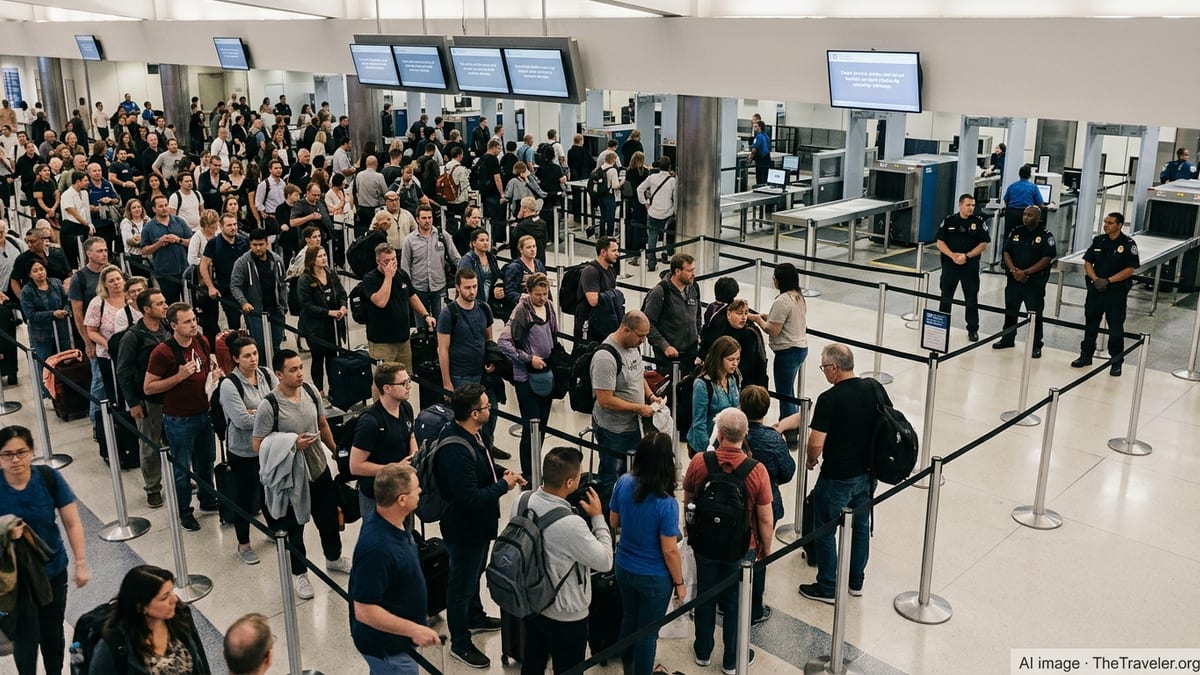
Hundreds of air travelers in Italy have been left stranded or facing long delays in recent days as a combination of strikes, technical issues, and knock-on operational problems disrupted flights at some of the country’s busiest airports.
Get the latest news straight to your inbox!
Strikes and Staffing Tensions Hit Italian Air Travel
Recent industrial action across Italy’s aviation sector has played a central role in the latest wave of flight disruptions, complicating journeys for both domestic and international passengers. Reports indicate that a nationwide 18 hour strike by pilots and cabin crew at a major low cost carrier on June 13, 2026, triggered widespread cancellations and delays at Italian airports, particularly for short haul European routes.
Separate walkouts involving air navigation staff at Verona Airport on the same date added further pressure, affecting flight schedules in northern Italy and contributing to missed connections and overnight strandings. Travelers reported scrambling for last minute hotel rooms and alternative routes as schedules were redrawn throughout the day.
Industry trackers and local media coverage suggest these strikes were part of a broader pattern of labor disputes in Italy’s transport sector during late spring and early summer, with airport ground handling workers and airline staff pushing for improved pay and working conditions. Even when actions were limited to specific airports or time periods, the resulting loss of staff and capacity often produced ripple effects on services the following day.
Although Italian regulations require minimum levels of air service to be maintained during strikes, particularly on key domestic routes, the volume of cancellations has still been sufficient to leave hundreds of passengers stuck at terminals waiting for rebooking opportunities or facing the prospect of abandoned trips.
Operational Disruptions at Milan and Venice Leave Travelers Stranded
Operational problems at Milan Linate and Venice Marco Polo airports in late June further intensified the disruption picture for travelers in Italy. According to published coverage from travel industry outlets, the two airports jointly recorded 179 delayed flights and seven cancellations in a single day, affecting a mix of domestic and international services.
Major European carriers including ITA Airways, Ryanair, easyJet, Lufthansa, Air France, KLM, and British Airways all saw schedules to and from Milan and Venice disrupted. Routes linking Italy to major hubs such as Rome, Paris, London, Frankfurt, Amsterdam, Madrid, and Barcelona were among those affected, with passengers in some cases missing connections onward to long haul services.
The cascade of delays left gate areas and departure halls crowded into the evening as crews and aircraft rotated late from earlier sectors. In many instances, travelers described being held on board for extended periods while departure slots were reassigned or while ground operations cleared accumulated congestion.
While the number of outright cancellations remained relatively limited compared with total daily traffic, airlines struggled to accommodate all displaced customers on the same day. That led to overnight stays at airport hotels, unplanned expenses, and rebookings onto flights departing 24 hours or more later, especially on heavily booked summer routes.
Infrastructure and Ground Handling Constraints Amplify Chaos
Labor and operational issues have been compounded by pressure on Italy’s airport infrastructure and ground handling capacity. Publicly available information from aviation and passenger advocacy sources points to a national ground handling strike at Italian airports in late June that reduced ramp and baggage capacity across multiple hubs.
When ground handling resources are constrained, aircraft turnaround times increase, boarding and baggage loading slow down, and even on time flights can see departure slots slip. In peak travel periods, these delays quickly stack up, particularly at airports operating near capacity such as Rome Fiumicino, Milan Malpensa, Milan Linate, and Venice Marco Polo.
Complicating matters further, Italy’s air travel system has also been managing the indirect effects of technical issues and fleet limitations. ITA Airways has publicly acknowledged that engine problems affecting a subset of its Airbus A320neo aircraft have grounded a portion of its narrowbody fleet, forcing the carrier to review its schedule and consider legal action against the engine supplier. The reduced availability of aircraft can limit an airline’s ability to absorb disruption by deploying spare capacity on affected routes.
Together, these factors create a fragile operating environment in which a single day of bad weather, a localized strike, or an infrastructure glitch can translate into hundreds of delayed flights and large numbers of stranded passengers across the network.
Impact on Passengers and Their Rights Under EU Rules
For travelers caught up in the recent disruptions, the immediate challenges have centered on rebooking, accommodation, and cost recovery. Accounts posted on travel forums and social platforms describe passengers at Italian airports queueing for hours at service desks after cancellations, while others turned to airline apps and call centers to secure new itineraries.
Under European Union Regulation 261, passengers departing from or traveling within the EU generally have rights to assistance and, in specific circumstances, compensation when flights are canceled or significantly delayed. This can include meals, hotel accommodation when an overnight stay is required, and reimbursement or re routing. However, entitlement depends on the cause of disruption and whether it is considered within the airline’s control.
In the case of industrial action by airline staff, passengers may have stronger grounds to claim compensation, while strikes by third party providers or air traffic control, as well as severe weather or security events, are often treated as extraordinary circumstances. Travelers impacted by Italy’s recent strikes and technical issues are being encouraged by consumer advocates to keep detailed records of boarding passes, receipts, and any written notifications from carriers to support later claims.
Some passengers have reported receiving hotel vouchers and rebooking onto next day flights without additional fare, while others say they have had to advance their own funds for alternative tickets or accommodation, planning to pursue reimbursement after returning home.
What Summer Travelers to Italy Should Expect Next
With the peak summer holiday season under way, industry data from European network reports indicates that air traffic across the continent is running at or above pre pandemic levels, with Italy among the busiest markets. That elevated volume means Italian airports have less margin to absorb sudden shocks, whether from weather, strikes, or technical constraints.
Aviation analysts note that while the majority of flights to and from Italy still operate without significant disruption, the frequency of localized breakdowns highlights the importance of contingency planning for travelers. Flexible tickets, allowing free date changes, and itineraries with longer connection times can reduce the risk of missed long haul flights when short haul segments are delayed.
Travel specialists also recommend checking flight status frequently in the 24 hours before departure, monitoring both airline and airport announcements, and considering earlier departures from resort areas to major hubs in case of rail or road issues en route to the airport. The recent interruption of rail services between central Rome and Fiumicino Airport, which left large numbers of passengers queueing for taxis and buses, showed how problems in one part of the transport chain can quickly spill over into aviation.
For now, forecasts suggest that intermittent disruptions are likely to persist across parts of the Italian network over the coming weeks, particularly on days affected by labor actions or capacity constraints. Travelers heading to or through Italy this summer may wish to build extra time into their plans, budget for possible overnight stays, and familiarize themselves with their rights if their flight is delayed or canceled.