


More news on this day
East Japan Railway Company is preparing to elevate night travel with Luna Azul, a new premium overnight express that will connect Tokyo with Aomori and Gunma using all-private cabins, curated scenic routes and a seasonal operating pattern from fiscal 2027.
Get the latest news straight to your inbox!
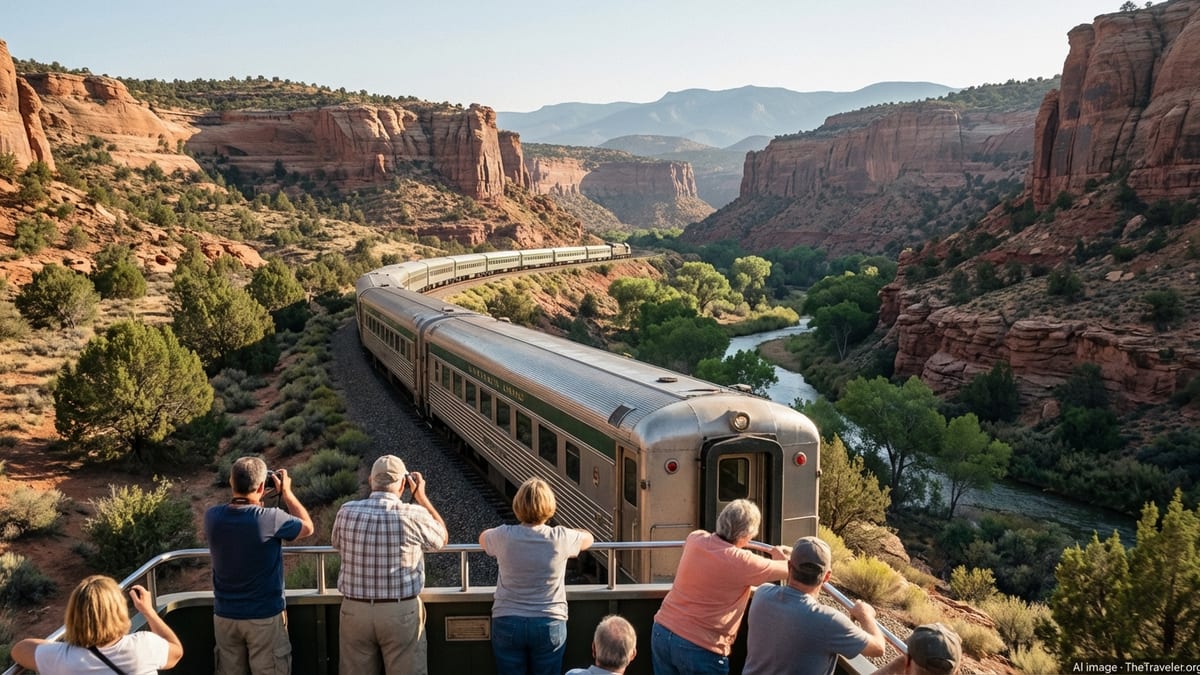
Premium Overnight Service Focused on the Journey
According to publicly available planning documents and recent news coverage, Luna Azul is being developed as a limited express service that prioritizes comfort and atmosphere rather than speed alone. The train is intended to revive the appeal of classic Japanese overnight rail while adapting it to contemporary expectations of privacy, design and convenience.
JR East materials indicate that all accommodations on Luna Azul will be private rooms in Green Car and Premium Green Car classes, replacing the open berths and shared spaces that once characterized many night trains. The aim is to provide a hotel-like environment where passengers can sleep, relax and enjoy the changing scenery without the sense of crowding often associated with long-distance rail.
The new service is positioned between JR East’s ultra-luxury cruise-style Train Suite Shiki-shima and conventional limited express trains. Public information suggests that Luna Azul is intended to be aspirational yet more broadly accessible than multi-night cruise trains, targeting leisure travelers who want an upgraded experience for a single overnight journey.
Seasonal Routes Linking Tokyo, Aomori and Gunma
Operational outlines released so far describe Luna Azul as a seasonal train that changes its role with the calendar. From spring through autumn, the service is scheduled to run as an overnight express between the Tokyo area and Aomori, opening direct rail access to the landscapes and hot spring regions of northern Tohoku while passengers sleep.
Reports indicate that the overnight runs will depart from the Tokyo side in the late evening and arrive in Aomori early the following morning, and vice versa. This pattern is designed to allow travelers to maximize their daylight hours at their destination while transforming travel time into part of the trip’s leisure component.
In winter, the concept shifts. Publicly available information shows that Luna Azul will switch to daytime limited express services between Tokyo and Naganohara-Kusatsuguchi in Gunma Prefecture, gateway to the popular Kusatsu Onsen area. By adapting the timetable and destination to the season, JR East appears to be positioning the train as a flexible platform for regional tourism across eastern Japan.
All-Private Cabins and Lounge-Centric Comfort
Design details released by JR East describe a refurbished 10-car formation based on the E657 series, reconfigured so that passenger areas consist solely of enclosed compartments and a shared lounge. Early diagrams and renderings highlight one-, two- and four-person private rooms, reflecting a mix of solo travelers, couples and small groups.
The train is planned to include both Green and Premium Green categories, with differences in room size, layout and finish. While exact interior specifications and fares have not yet been widely published, Luna Azul is being framed as a step up from standard limited express cars, incorporating higher-grade bedding, sound insulation and lighting intended to support comfortable overnight rest.
Instead of a full restaurant car, the concept leans on a lounge space where passengers can socialize, enjoy snacks and beverages and take in the passing scenery. Available information suggests that the overnight schedule is calibrated so that most travelers will have dinner before boarding and breakfast after arrival, allowing the onboard offering to focus on late-evening relaxation rather than full-course meals.
Scenic Alignments and a Revival of Night Trains
The proposed routing between Tokyo and Aomori reflects an effort to showcase landscapes that helped make earlier generations of Japanese sleeper trains renowned among enthusiasts. Observers note that the corridor echoes parts of classic services that once threaded their way north along the Pacific coast and through the mountains of Tohoku.
For the Tokyo to Gunma segment, the planned winter daytime operations will highlight inland scenery, hot spring towns and snow-covered highlands. By bringing a premium-level train to routes historically served by ordinary limited express services, Luna Azul is expected to strengthen rail’s role as both transportation and tourism product.
The launch of Luna Azul also fits into a broader revival of high-end rail travel in Japan. Over the past decade, operators across the country have repositioned certain trains as moving hotels or excursion platforms, with JR East itself introducing Train Suite Shiki-shima and other special services. Luna Azul extends this trend into the realm of overnight point-to-point travel, potentially appealing to travelers who want a distinctive experience without committing to multi-day itineraries.
Timelines, Ticketing Outlook and Travel Planning
JR East’s latest announcements place the start of Luna Azul operations in fiscal 2027, with service expected to begin around early calendar 2027 following refurbishment and testing of the trainset. Further technical details, interior photography and sample timetables are anticipated as that date approaches.
While exact pricing is not yet publicly confirmed, comparison with existing premium overnight and cruise-style trains suggests that Luna Azul will likely be positioned above regular limited express fares but below the most exclusive multi-night luxury products. Travel analysts expect that demand from both domestic rail fans and international visitors could make reservations competitive, particularly around peak cherry blossom and autumn foliage seasons in Tohoku and winter holidays in Gunma.
For travelers planning future trips to Japan, the emerging outline of Luna Azul points to a new option for linking Tokyo with northern Honshu while turning what was once an overnight transfer into a highlight of the itinerary. As additional information on booking channels, language support and rail pass integration becomes available, the train is likely to feature prominently in premium itineraries built around slow travel and scenic routes.