


More news on this day
Flight operations at several major Kenyan airports faced fresh disruption on Sunday, August 30, 2026, as the Kenya Airports Authority (KAA) confirmed delays affecting departing services and urged passengers to monitor their schedules closely.
Get the latest news straight to your inbox!
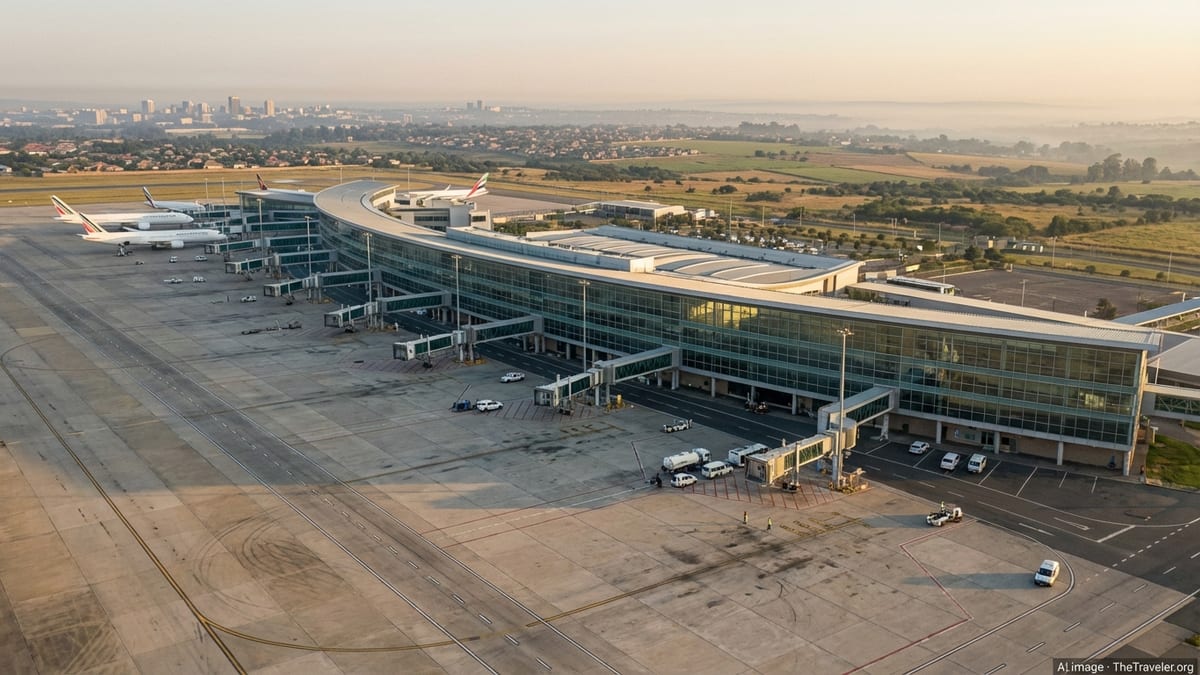
Delays Reported at JKIA and Other Key Gateways
Publicly available information from national media and aviation advisories indicates that KAA has warned of delays affecting some departing flights across its network, including at Nairobi’s Jomo Kenyatta International Airport (JKIA). A notice reported on August 30, 2026, points to disrupted operations on selected departures, with airport users advised to check directly with airlines before traveling to the airport.
Coverage in Kenyan press describes scenes of passengers encountering longer waits and uncertainty at JKIA, with reports of travellers remaining in terminal areas for extended periods as departure times shifted. While arriving flights appeared less affected, the impact on outbound traffic has been described as significant on one of Africa’s busiest regional hubs.
Independent airport-tracking resources focused on JKIA note that the airport remains open, but acknowledge that delays can quickly cascade across the system when staffing or operational issues arise. Earlier checks in July 2026 showed normal operations at JKIA, underscoring that the latest disruption represents a fresh and separate episode rather than an ongoing closure.
Airline-specific travel alerts, including notices from Kenya Airways, also show that schedules through Nairobi are sensitive to terminal changes and infrastructure works. When combined with short-term disruption such as the August 30 delay wave, these adjustments contribute to a more complex operating environment for both carriers and passengers.
Go-Slow by Aviation Staff Triggers New Wave of Disruption
According to same-day travel and lifestyle coverage, the latest delays stem from a go-slow involving staff associated with KAA and the Kenya Civil Aviation Authority (KCAA). Reports describe a reduction in pace across some airport functions, which in turn has slowed key processes that support departures, including ground handling, security and air traffic–related activities.
Kenya’s aviation sector has experienced similar pressure points in recent years. In February 2026, a short-lived industrial action by the Kenya Aviation Workers Union disrupted airspace and operations at JKIA and other aerodromes before a government-brokered agreement paved the way for a return to work. Official summaries from that period highlighted how even a brief slowdown in essential roles can lead to queues on the apron, departure backlogs and aircraft repositioning challenges.
The August 30 disruption appears to follow a comparable pattern, although early indications suggest a more targeted go-slow rather than a full work stoppage. National outlets report that KAA has publicly acknowledged the delays and indicated that coordination is under way with aviation agencies and airlines to stabilize operations and limit knock-on effects.
Travel-industry bodies have previously raised concerns about the wider economic implications of repeated airport disruption in Kenya, particularly at JKIA, which is a critical gateway for tourism, business travel and regional trade. Episodes of industrial tension and operational strain can affect airline on-time performance statistics and increase costs associated with crew scheduling and aircraft utilization.
Business Continuity Measures and Ongoing Airport Upgrades
Earlier in 2026, KAA emphasized business continuity at JKIA following a separate period of delays, stating through public releases that it was working with airlines and the civil aviation regulator to maintain operations even as backlogs were cleared. That messaging reflected a broader effort to reassure travellers that the national gateway remains functional despite periodic disruption.
Background information from airport advisory platforms shows that JKIA is in the middle of a multi-year program of terminal refurbishments and access improvements. Terminals 1B and 1C, for example, have undergone upgrades in recent years to improve passenger flows and retail space. Current airline notices indicate that some flights are set to be relocated to Terminal 1C from early September 2026 to accommodate renovation works, another factor that can require schedule adjustments and longer processing times.
Kenya Airways and other carriers operating at JKIA have also announced fleet and network changes in 2026, with Kenya’s flag carrier recently reporting higher revenues alongside continuing operational pressures. Public financial disclosures show that the airline has been returning widebody aircraft to service, a step that expands long-haul capacity but also requires careful coordination with airport infrastructure and staffing.
Aviation analysts note that when infrastructure upgrades, airline fleet changes and labor-related issues converge, airports can experience short bursts of intense disruption even if underlying demand remains strong. The August 30 flight delays appear to reflect this dynamic, as a temporary staff go-slow interacts with already busy terminals and full departure banks.
Impact on Travellers and Recommended Passenger Actions
Travel features and advisories published on August 30 highlight the practical impact of the latest delays on passengers at JKIA and other Kenyan airports. Accounts describe travellers facing waits of several hours, missed onward connections and the need to rebook itineraries, particularly on regional routes where same-day alternatives are limited.
Guidance compiled by independent airport-information services and airline travel alerts converges on similar advice for passengers. Travellers are encouraged to monitor flight-status tools and airline apps closely on the day of departure, verify terminals and check-in times, and factor additional time into their journey to the airport when disruption is likely. Some industry commentary also recommends allowing a wider buffer between inbound and outbound flights when connecting through Nairobi during periods of operational strain.
Publicly available contact details for JKIA stress that issues such as delays, cancellations and rebooking remain primarily the responsibility of individual airlines, while KAA handles terminal facilities and general airport information. Passengers who experience significant disruption are therefore advised to seek assistance at airline customer-service and baggage desks first, while using airport help points and information channels for broader updates about terminal conditions.
Travel forums and consumer platforms indicate that communication is a recurring concern for affected passengers, with some travellers reporting limited real-time information during previous episodes of disruption. Industry observers suggest that clear, timely updates via airport screens, public address systems and digital channels can significantly ease the strain on travellers when departure backlogs develop.
Outlook for Kenyan Air Travel in the Coming Days
As of the most recent checks on airport-status trackers, JKIA remains open with flights operating, but the August 30 event underscores how quickly conditions can change. There is not yet comprehensive data on how long the current wave of delays will persist, although historical patterns from earlier in 2026 suggest that once industrial issues are addressed, schedules can normalize over a period of hours to a few days.
Kenya’s wider aviation network, including busy secondary hubs such as Wilson Airport in Nairobi and coastal gateways, continues to play a central role in the country’s tourism and safari sectors. Previous official investigations have pointed to congestion and infrastructure constraints at some airports, indicating that capacity pressures are likely to remain a feature of the system even outside of headline disruption events.
For international and regional travellers planning journeys in the coming days, publicly available guidance points to a cautious but measured approach: maintain existing bookings where possible, stay in close contact with airlines and tour operators, and build flexibility into itineraries. While the August 30 delays are disruptive, they take place against a backdrop of strong passenger demand and ongoing investment in Kenyan aviation infrastructure, suggesting that the sector is focused on recovery and growth despite periodic operational shocks.
Monitoring official KAA channels, airline travel alerts and reliable third-party airport information sites will be key for passengers seeking the latest picture on flight operations at JKIA and other Kenyan airports this week.
The Standard: KAA warns passengers of delays affecting departing flights
K24 Digital: Kenya flight disruptions and traveller guidance
JKIA.co.ke: Current travel updates for Jomo Kenyatta International Airport
Ministry of Roads and Transport: February 2026 industrial action update