


More news on this day
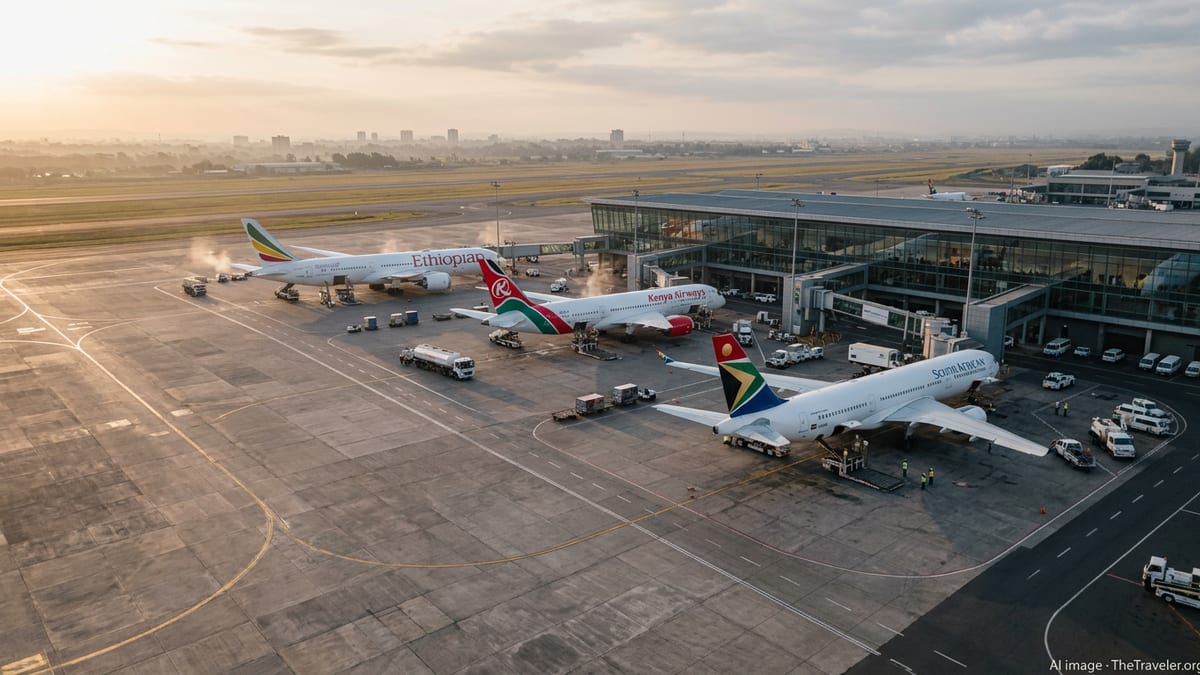
Departure delays at several Kenyan airports on Sunday, August 30, 2026, prompted an urgent advisory from the Kenya Airports Authority (KAA), as reports indicated disruption to morning and midday schedules at key hubs including Nairobi’s Jomo Kenyatta International Airport.
Get the latest news straight to your inbox!
Nationwide advisory as departure delays mount
Publicly available statements show that KAA issued a passenger advisory warning that some departing flights across its airport network were experiencing delays, without specifying the exact number of flights or the underlying cause. The alert covered multiple facilities, with emphasis on major gateways such as Jomo Kenyatta International Airport (JKIA) in Nairobi, where early departures were reportedly affected.
According to coverage in Kenyan media, the advisory was released on Sunday, August 30, 2026, after passengers reported being held at departure gates for extended periods. Outbound services that were scheduled to leave from early morning hours remained on the ground well into the day, indicating disruption to aircraft and crew rotations across several routes.
Reports indicate that the airport operator urged travellers to maintain close contact with their airlines before heading to the terminals. Passengers were encouraged to verify whether flights were still operating on schedule and to factor in possible delays of several hours when planning transfers, ground transport and onward connections.
The advisory has drawn attention to the sensitivity of Kenya’s aviation timetable, which connects regional business centres and key tourism destinations. Any prolonged disruption at JKIA and other busy airports can ripple across East African routes, affecting both domestic itineraries and international connections through Nairobi.
Impact at JKIA and other key airports
Coverage by local outlets describes particularly visible disruption at JKIA, where several departures scheduled from around 8 a.m. reportedly remained on the apron for hours. Travellers recounted long waits at boarding gates, while some aircraft pushed back significantly later than planned, compressing the airport’s usually dense mid-morning departure wave.
Publicly available reports also reference delays at other KAA-operated airports, including coastal and regional hubs that funnel passengers into Nairobi for onward travel. Although flight-by-flight data has not been fully itemised, the pattern points to knock-on effects throughout the day, as aircraft operating morning rotations were re-assigned or turned around later than usual.
Analysis of Kenya’s recent aviation performance highlights how even a short-lived disruption can impact travellers heading for safari destinations, beach resorts at the coast or business meetings in regional cities. Missed connections at JKIA can require same-day rebooking onto limited-frequency services, while evening curfews and crew duty-time restrictions may limit the range of recovery options for airlines.
Available information suggests that the advisory came at a time when many schools were closing for holidays and regional travel demand was elevated. This timing increases pressure on both airline operations and airport infrastructure, making recovery from delays more complex than during off-peak periods.
What travellers flying through Kenya should expect
For travellers planning to depart from Kenyan airports, publicly available guidance consistently points to one key step: check flight status directly with the airline before setting out. Many carriers serving JKIA and other airports provide real-time updates through mobile apps, websites and SMS notifications, which can show revised departure times as schedules are adjusted.
Reports further indicate that KAA has advised passengers to allow extra time for airport formalities. Longer queues at check-in, security and immigration can emerge when multiple delayed flights are processed simultaneously, even if runway capacity remains available. Travellers with tight connections on separate tickets may face particular challenges and are being encouraged to build in wider buffers where possible.
Travel industry observers note that travellers transiting Nairobi on long-haul itineraries should pay close attention to minimum connection times. A delay on a regional feeder flight from an upcountry or coastal airport could threaten a same-day connection to intercontinental services, especially during peak banks of departures to Europe, the Middle East and Asia.
In addition, passengers are being reminded to review the terms and conditions attached to their tickets regarding delays, rebooking options and eligibility for accommodation or meal support. Policies differ between full-service and low-cost carriers, and some routes may be covered by bilateral or regional consumer-protection frameworks that define entitlements when disruption occurs.
Operational response and recent history of disruptions
According to published advisories, KAA has stated that it is working with airlines, aviation agencies and other stakeholders to manage the disruption, minimise its impact on airport operations and restore more predictable departure flows. Public reporting indicates that the operator has not yet disclosed a specific technical or staffing cause, but has acknowledged that several airports are affected.
Kenya’s aviation sector has faced several high-profile operational challenges in recent months, ranging from infrastructure upgrades to episodes of industrial action that have temporarily disrupted traffic at JKIA. Earlier disruptions in February 2026, documented in local coverage, highlighted the vulnerability of hub operations when multiple systems and agencies are strained at the same time.
Infrastructure planning documents for Kenya’s airspace and airports show that investments are under way in areas such as radio communication systems, backup power supplies and air navigation technology, with the aim of strengthening operational resilience. While these projects are designed to reduce the risk of outages and bottlenecks, they also underline the complexity of maintaining seamless service across a growing network of domestic and international routes.
Analysts of regional travel patterns point out that Nairobi’s role as a connector for East and Central Africa means any episode of extended delays can have effects beyond Kenya’s borders. Airlines and airports in neighbouring countries often rely on inbound aircraft, crews and passengers originating from JKIA, making clear and timely advisories essential for managing expectations and rerouting options.
What this means for future travel plans
For travellers with upcoming trips through Kenyan airports, the latest advisory serves as a reminder to monitor conditions in the days leading up to departure. Travel planners recommend registering contact details with airlines, opting in to alerts, and checking both airline and airport channels on the morning of travel for any new information on congestion or schedule changes.
Industry reports suggest that KAA intends to provide further updates as conditions evolve, and that airlines are adjusting schedules and turnarounds to clear any backlog. Once aircraft and crews return to their planned rotations, delays may gradually shorten, but some residual disruption can persist into subsequent days, particularly on heavily used aircraft.
Forward-looking assessments of Kenya’s aviation system indicate that continued investment in air traffic management, power reliability and passenger-handling capacity will be central to reducing the likelihood and impact of similar events. For now, passengers departing on Sunday and in the near term are likely to encounter longer-than-usual waits at certain airports and are being encouraged to plan accordingly.
As the situation develops, travellers, airlines and travel agents will be watching closely for new operational bulletins that clarify the scope and duration of the delays. For many visitors, Kenya remains a key entry point to East Africa’s tourism and business landscape, heightening interest in how quickly normal schedules can be restored.
People Daily: KAA issues urgent advisory as flight delays hit Kenyan airports
Citizen Digital: KAA issues advisory on departure delays
The Standard: KAA warns of flight delays at its various airports
YNews: KAA issues flight delay alert as disruption hits Kenyan airports