


More news on this day
Travellers using Kisumu International Airport on Monday, August 31, 2026, faced another day of disruption as a nationwide aviation workers’ strike entered its second day, leaving passengers stranded and flight schedules in disarray on key domestic and regional routes.
Get the latest news straight to your inbox!
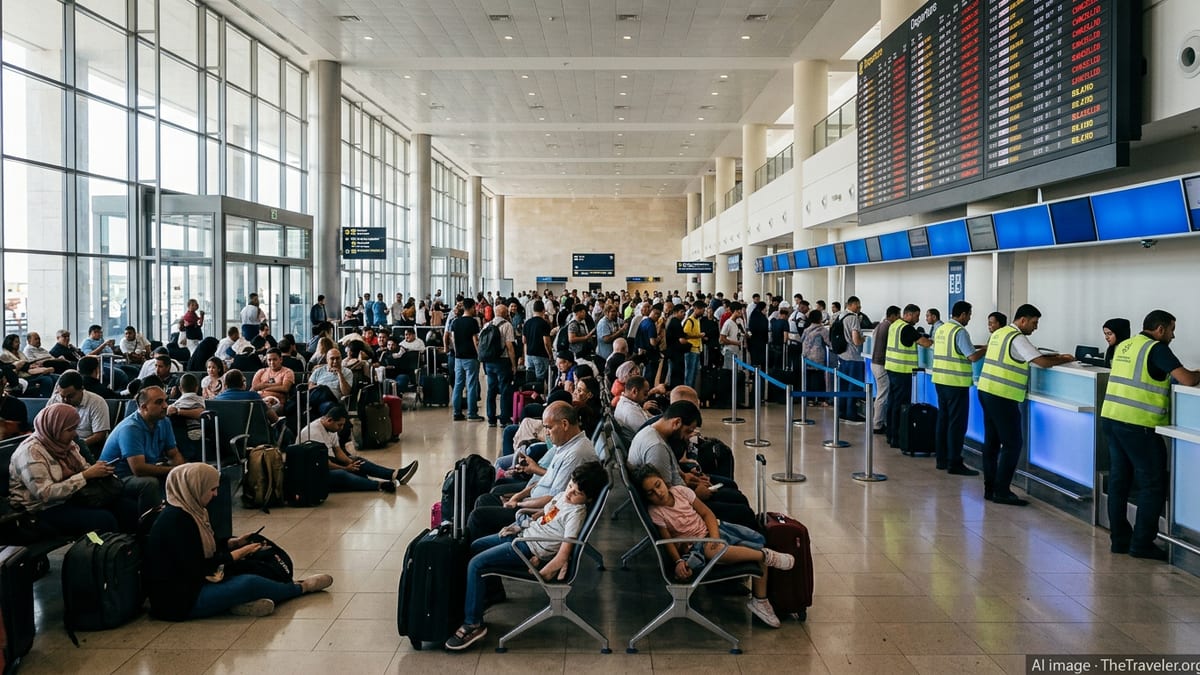
Second day of strike paralyzes Kisumu routes
Publicly available coverage from Kenyan broadcasters and newspapers indicates that operations at Kisumu International Airport remained severely curtailed on Monday, with many services on the busy Kisumu–Nairobi and Kisumu–Entebbe routes delayed or cancelled. Reports from local media describe long queues, crowded departure halls and confusion over departure times as airlines adjusted schedules in response to the labour action.
According to Kenyan press reports, the disruption at Kisumu forms part of a wider nationwide aviation strike that began on Sunday, August 30, 2026, affecting major hubs including Jomo Kenyatta International Airport in Nairobi and Moi International Airport in Mombasa. Members of the Kenya Aviation Workers Union have been protesting over staffing, pay and proposed changes to airport management arrangements, leading to go-slows and work stoppages that have slowed ground handling and passenger processing at terminals across the country.
Coverage from regional outlets notes that some carriers attempted to operate limited services into and out of Kisumu where staffing allowed, but many of these flights departed significantly behind schedule. Passengers reported waiting several hours for updates, only to learn that their flights had been pushed back further or removed from the boards entirely as the industrial action continued.
Passengers stranded and turning to the road
Reports from Kisumu on Monday highlight the impact on travellers who arrived at the airport early for morning departures only to spend much of the day waiting in the terminal. Local news coverage describes passengers to Nairobi and Entebbe sitting with luggage along corridors, refreshing airline apps and clustering around check-in desks in search of information about whether their flights would operate.
Daily Nation and other Kenyan outlets indicate that a number of passengers eventually abandoned their flight plans after repeated delays and chose to travel by road instead, particularly on the busy Kisumu–Nairobi corridor. Buses and shuttles on that route were reported to be filling fast as air travellers sought last-minute alternatives, adding pressure to ground transport options across western Kenya.
Media coverage from Nairobi suggests that some airlines attempted to consolidate services by merging lightly booked flights or rebooking passengers onto later departures from the capital. However, with the strike’s impact felt at multiple airports simultaneously, options for same-day rerouting were limited, and many Kisumu passengers reported facing overnight stays or extended waits before they could continue their journeys.
Nationwide aviation disruption and emerging deal
The Kisumu disruption occurred against the backdrop of a broader industrial dispute affecting Kenya’s aviation network. International agencies and Kenyan newsrooms report that the strike, led by the Kenya Aviation Workers Union, slowed or temporarily paralysed traffic at Jomo Kenyatta International Airport on Sunday and Monday, with ripple effects extending to regional airports such as Kisumu, Eldoret and Mombasa. Airlines serving domestic and international routes issued travel advisories warning of potential delays and cancellations.
According to published coverage from Nairobi on Tuesday, September 1, 2026, union representatives and government officials reached a return-to-work agreement that prompted the suspension of the strike after two days of disruption. Publicly available reports state that the deal paved the way for operations to gradually resume across Kenyan airports, although backlogs of displaced passengers and aircraft positioning issues were expected to affect schedules for several days.
Information carried by Kenyan media indicates that the agreement covered concerns related to staffing levels, remuneration and consultation on airport management changes. While full details of the settlement are still being reported, travel industry analysis suggests that airlines and airport operators now face the task of restoring normal operations, clearing waiting lists and handling claims from travellers whose plans were interrupted by the industrial action.
Advice for travellers booked through Kisumu
Travel advisories compiled from Kenyan media, airline notices and sector bulletins urge passengers planning to use Kisumu International Airport in the aftermath of the strike to treat flight schedules as provisional. Airlines are expected to operate catch-up services where possible, but aircraft rotations and crew availability may mean that departure times differ from original bookings during the next several days.
Publicly available guidance recommends that travellers monitor their booking status frequently via airline websites, mobile apps, email and SMS alerts, and avoid heading to the airport without a confirmed departure time. Kenyan coverage also advises passengers with tight connections, particularly for onward international flights from Nairobi, to explore the possibility of rebooking onto later services or alternative routings to reduce the risk of missed long-haul departures.
Industry commentary cited in local reports notes that travel insurance, where purchased, may offer some protection for additional accommodation or rebooking costs incurred during the disruption. However, coverage varies by policy, and travellers are being encouraged to check terms carefully and retain documentation from airlines detailing delays or cancellations related to the strike.
Impact on western Kenya’s connectivity
Kisumu International Airport serves as a critical gateway for western Kenya, linking the lakeside city to the capital Nairobi and to regional destinations such as Entebbe. Background information on the airport shows that it supports both business and leisure travel, including tourism around Lake Victoria and cross-border trade. The two-day aviation strike therefore had an outsized impact on mobility for residents, visitors and businesses across the region.
Kenyan news outlets covering the strike observed that the suspension of many flights highlighted the reliance of western Kenya on air links for time-sensitive travel, including government business, medical referrals and corporate trips. With passengers forced to shift to road transport on short notice, journey times lengthened considerably and congestion increased on major highways connecting Kisumu to other parts of the country.
As normal operations gradually resume following the return-to-work arrangement, analysts quoted in media reports suggest that the episode may prompt renewed discussion about resilience in Kenya’s domestic transport network. Questions being raised in public commentary include how airlines and authorities communicate with passengers during labour disputes, the capacity of alternative modes such as intercity buses and rail, and the potential for contingency planning to mitigate the impact of future disruptions on key regional hubs like Kisumu.
NTV Kenya: Travellers stranded at Kisumu Airport as aviation staff strike enters day two
Daily Nation: Passengers stranded at Kisumu Airport as aviation workers strike enters second day
AP News: Workers’ strike at Kenya’s main international airport strands passengers
The Standard: Aviation workers end strike after government deal