


More news on this day
Travelers across Europe faced fresh disruption as KLM Royal Dutch Airlines recorded new cancellations and delays across its network, with Amsterdam, Paris, Zurich, Budapest and Malaga among the cities reporting affected services and frustrated passengers.
Get the latest news straight to your inbox!
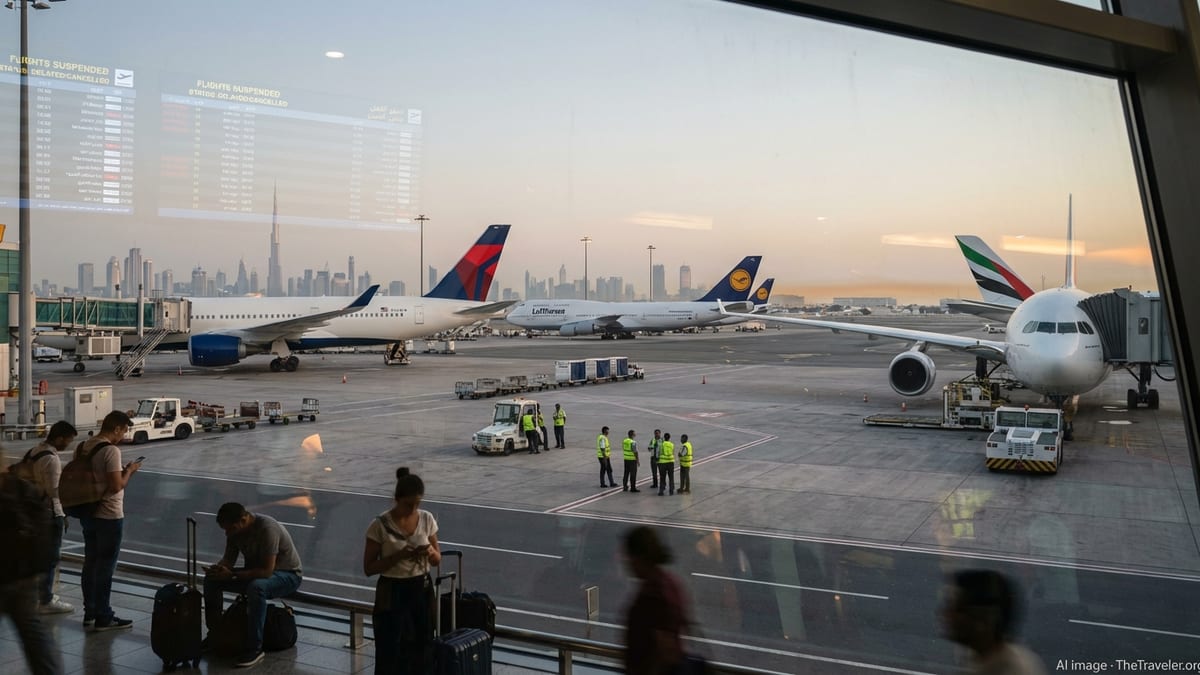
Fresh Disruptions Across the KLM Network
Publicly available tracking data and third party compensation services indicate that KLM has recently canceled at least 14 flights and delayed dozens more, affecting passengers across its European and long haul network. While the exact mix of domestic, intra European and intercontinental flights varies over the course of the day, the pattern shows a concentration of problems around the airline’s main hub at Amsterdam Schiphol and its core European destinations.
Reports from flight status platforms and passenger forums suggest disruption on routes linking Amsterdam with major cities including Paris, Zurich, Budapest and Malaga, among others. These routes form part of KLM’s dense feeder network into Schiphol, which is used to connect travelers onward to long haul destinations in North America, Africa and Asia. Even relatively small numbers of cancellations and delays on these short haul segments can cascade into missed connections and unplanned overnight stays.
KLM’s own information pages emphasize that customers can monitor live flight status up to several weeks in advance and manage their bookings if disruption occurs. However, social media posts and forum discussions show that passengers still frequently encounter last minute changes, tight rebookings and uncertainty about when replacement flights will depart, especially when weather or airport capacity issues affect multiple carriers at once.
On some days, analytics published by flight disruption specialists show that fewer than two thirds of KLM services arrive on time, with a nontrivial number running more than three hours late. Under European rules, flights delayed beyond that threshold may trigger eligibility for refunds or compensation in specific circumstances, which has led to growing interest in the performance metrics of individual airlines and airports.
Amsterdam Schiphol at the Center of Operational Strain
Amsterdam Schiphol remains both the backbone and the bottleneck of KLM’s operation. Historical analysis from consumer and legal forums points to recurring patterns where adverse weather, limited runway availability, air traffic control constraints or staffing pressures at Schiphol force airlines to trim schedules at short notice. KLM, as the dominant carrier at the airport, is typically among the most affected when runway use is restricted or slot patterns are reshuffled.
Published commentary on previous disruption waves shows that, in such situations, KLM often cancels short haul feeder flights first to protect long haul departures that carry large numbers of transfer passengers. This approach can leave travelers on regional routes such as Amsterdam to Zurich, Budapest or Malaga facing cancellations or rebookings via Paris Charles de Gaulle or other hubs. For some travelers, these workarounds preserve the overall journey, but for others the rerouting and extra connections add hours to already long days of travel.
Travel advice circulated during recent episodes at Schiphol has urged passengers to check their flight status frequently in the KLM app or in the “My Trip” section of the airline’s website. KLM indicates that it provides notifications by text message or email when a delay exceeds 30 minutes, or when a flight is canceled and rebooked. Even so, individual accounts on travel forums describe cases in which rebooking notices arrived late or were missed, leaving travelers to discover changes only at the airport.
The physical layout and capacity limits at Schiphol also play a role. Public reports on the airport’s long running expansion and renovation show that gate space, security throughput and baggage handling can all come under pressure during peak periods. When these constraints intersect with weather or air traffic control issues, airlines may have few options other than to adjust schedules on short notice, with knock on effects for connections across Europe.
Impact on Paris, Zurich, Budapest, Malaga and Other Cities
The latest cancellations and delays have not been confined to Amsterdam. Coverage of recent disruption across the Air France KLM group highlights the vulnerability of key spoke cities such as Paris, Zurich, Budapest and Malaga, which rely heavily on timely feeder flights to and from Schiphol. When those flights are canceled or late, local passengers may find themselves with limited same day alternatives.
In Paris, where Air France operates a parallel hub, disruption in the KLM schedule can result in rerouting through Charles de Gaulle or Orly, adding complexity for passengers who originally expected a direct KLM operated connection via Amsterdam. Travelers between Paris and Zurich or Paris and Budapest can sometimes be moved onto alternative services, but at busy times replacement seats may be scarce.
In Zurich and Budapest, travelers have shared experiences on public forums of being rebooked on itineraries that involve additional stops or overnight stays after missed connections in Amsterdam. Some describe being shifted to early morning departures the following day, compounding fatigue and adding costs for accommodation and meals while they wait for the next available flight.
Leisure destinations such as Malaga are particularly exposed in peak seasons, when flights run close to full and last minute cancellations leave little slack in the system. Travelers heading to or from such sun and city break destinations often book weekend trips or short holidays, meaning that even a single canceled or heavily delayed flight can wipe out a significant portion of the planned break.
Passenger Rights, Refunds and Compensation Options
The recurring disruption on KLM’s network has renewed attention on passenger rights under European Union Regulation 261 and related UK rules. Guidance from compensation specialists and legal information services explains that travelers may be entitled to refunds or set compensation amounts in situations where flights are canceled at short notice or arrive with long delays, provided that the cause lies within the airline’s control and does not fall under legally recognized extraordinary circumstances.
Online claim tools and advisory sites report a steady stream of requests related to KLM services, including journeys starting or ending in hubs such as Amsterdam, Paris and Budapest. Their data indicate that a noticeable share of recent KLM passengers experienced delays beyond three hours, with an even smaller but significant portion facing outright cancellations. These services encourage travelers to retain boarding passes, receipts and written communication from airlines, as documentation can be important when seeking redress.
KLM’s own customer information pages outline options to request refunds, vouchers or changes in case of disrupted travel. The airline highlights self service channels that allow customers to adjust travel dates, destinations or seating when flights are impacted. Publicly available information also notes that, in some cases, passengers can ask to be rerouted at the earliest opportunity or receive a refund for the unused portion of their journey.
However, discussions on consumer and travel forums reveal ongoing confusion about when compensation is due, how quickly airlines must respond and what responsibilities exist regarding meals, accommodation and alternative transport. Some travelers report partial reimbursements or disputes over the classification of disruptions as extraordinary circumstances, prompting escalations to national enforcement bodies or dispute resolution schemes.
How Travelers Can Navigate Ongoing Uncertainty
Given the continuing reports of cancellations and delays at KLM and other European carriers, travelers are increasingly advised by consumer advocates to build extra resilience into their plans. Suggestions commonly include avoiding extremely tight connections at hubs such as Amsterdam and Paris, especially during winter months or known peak travel periods, and considering earlier departures when same day onward connections are critical.
Travel experts also underline the importance of using airline apps and online tools to monitor flights in real time. KLM encourages customers to enable notifications so that they receive timely alerts for schedule changes, gate adjustments and rebookings. Checking airport departure boards and independent flight tracking tools can provide an additional layer of confirmation when disruptions are widespread.
For those whose journeys are directly affected, promptly documenting expenses for meals, hotels and alternative transport can help when seeking reimbursement or compensation later. Claims services and legal resources advise travelers to file complaints in writing through airline customer service channels, and, if necessary, to pursue formal resolution mechanisms available in the European Union and the United Kingdom.
While KLM continues to emphasize enhancements to its digital tools and communication channels, the latest wave of cancellations and delays shows that weather, airport capacity constraints and operational complexity can quickly combine to test even well established networks. For travelers moving through Amsterdam, Paris, Zurich, Budapest, Malaga and other affected cities, staying informed and understanding their rights remains essential as they navigate an increasingly unpredictable travel landscape.