


More news on this day
Travelers passing through Germany’s two largest air hubs encountered significant disruption today as more than 260 flights were reported delayed and four cancelled across Frankfurt and Munich, affecting operations at City Airlines, Lufthansa, Cityjet, Discover Airlines and several other carriers.
Get the latest news straight to your inbox!
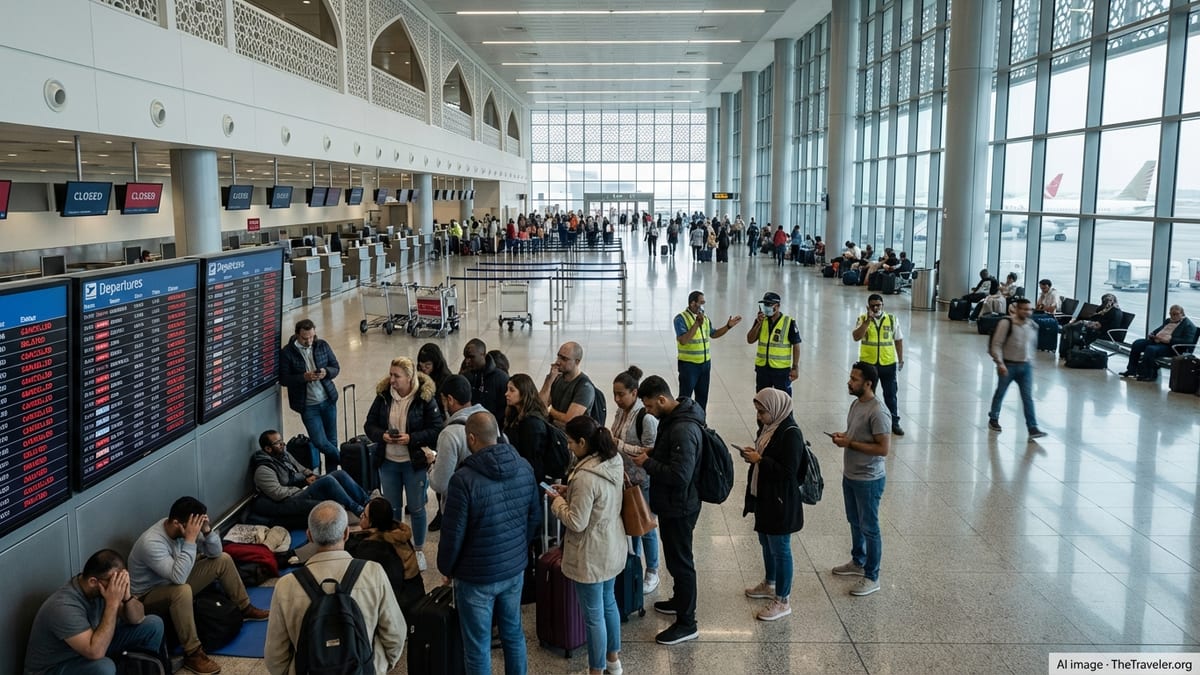
Delays Mount Across Germany’s Busiest Hubs
Operational data and live tracking platforms for 6 June 2026 indicate that disruption at Frankfurt Airport and Munich Airport has intensified through the day, with a combined tally of around 260 delayed movements and at least four outright cancellations across domestic and international routes. The impact spans both short haul and long haul services, including key European connections and transatlantic links.
Frankfurt, the primary hub for Lufthansa Group carriers, has seen a concentration of delayed departures and arrivals as schedules absorb earlier knock on effects from weather and congestion earlier in the week. Munich, a second core hub within the group, is also experiencing extended turnaround times that are cascading through its regional and medium haul network.
Publicly available information shows that the travel interference is not confined to a single airline. Flights operated by Lufthansa mainline, the newer City Airlines brand, Discover Airlines and partner carriers such as Cityjet are all represented in the disruption statistics. Several non group airlines using the two hubs are also reporting late operations as slot patterns are adjusted.
While the overall number of cancellations remains comparatively low relative to the volume of traffic handled by the two airports, the high proportion of delayed flights is creating missed connections and overnight rebookings for passengers relying on tight transfer windows.
Lufthansa Group Carriers Under Strain
The pattern of disruption is particularly visible across Lufthansa Group brands that concentrate their operations in Frankfurt and Munich. City Airlines, which has been expanding its role on intra European routes, features prominently in today’s delayed departure boards as aircraft cycle through congested gates and face air traffic management restrictions.
Lufthansa’s mainline operation is also contending with irregular running on several trunk routes. Monitoring services show multiple flights operating with arrivals outside their scheduled windows, including long haul services that are crucial for onward North American and Asian connections. Even delays of 30 to 60 minutes are proving enough to break closely timed connections at busy transfer banks.
Discover Airlines, the group’s leisure focused brand, is managing its own share of disruption on long haul departures from Frankfurt to holiday destinations, where late departures risk pushing arrivals into less favorable time slots for ground handling and onward travel. Regional flying operated for Lufthansa by wet lease and partner carriers, including Cityjet on selected routes, is similarly affected as aircraft and crews arrive late from earlier rotations.
Travel industry analysts note that today’s problems come on top of a challenging spring for the Lufthansa Group, which has already included schedule adjustments, industrial action at subsidiaries and a restructuring of its regional flying portfolio. Those background changes have reduced some of the flexibility that previously existed to swap aircraft or crews at short notice when irregular operations occur.
Recent Strikes, Restructuring and Weather Amplify Disruption
Recent months have seen a series of developments that have made operations at Frankfurt and Munich more fragile during periods of stress. Published coverage in Germany has highlighted pilot and cabin crew labor disputes within parts of the Lufthansa Group earlier in 2026, with strike actions leading to large scale cancellations on several days and leaving airlines working through a backlog of rebooked passengers.
At the same time, the group has been carrying out structural changes to its regional network. Lufthansa CityLine, long a key provider of feeder services into Frankfurt and Munich, is being wound down and partially replaced by City Airlines. Industry reports describe aircraft withdrawals and route reallocations, and travelers on affected routes have already noticed cancellations and reroutings as the summer schedule is reshaped.
Weather has also played a role in the run up to today’s interference. Discussions on traveler forums from earlier this week mention storms over parts of Germany that prompted flight cancellations and extensive delays, particularly at Frankfurt. The resulting repositioning of aircraft and crews, coupled with strong demand in the early summer travel period, has left the system more vulnerable to further disturbances.
Experts in European aviation operations note that when multiple stress factors overlap, even relatively modest additional delays can push hub systems into extended irregular operations. With two major hubs in the same country and a reliance on tight transfer windows, the Lufthansa Group’s network can see disproportionate passenger impact when punctuality drops.
Impact on Passengers and Key Routes
The high number of delayed flights at Frankfurt and Munich is translating into long queues at transfer desks and customer service points, as travelers seek alternative routings following missed connections. Feedback shared on social platforms by affected passengers today describes waits of several hours for rebooking assistance and instances of rerouting via third country hubs when direct connections through Germany are no longer viable.
Key long haul markets are particularly exposed to the delays. Transatlantic travelers connecting through Frankfurt report that late arriving feeder flights from European cities can leave insufficient time to clear security checks and reach onward gates, especially at peak times. In some cases, passengers are being shifted to later departures or different routings entirely, adding substantial extra travel time.
Within Europe, the knock on effect is being felt on dense routes between German hubs and major regional centers. Flights linking Frankfurt and Munich with cities such as Berlin, Hamburg and Vienna, as well as secondary airports served by group carriers, appear frequently in delay statistics. On heavily booked services, even small reductions in capacity or late operations can leave limited room to accommodate displaced travelers from earlier flights.
Travelers with onward rail or coach segments are facing additional complications when delayed arrivals to Frankfurt and Munich lead to missed ground connections. Without a single integrated ticket across modes, some passengers may be forced to purchase new rail tickets at short notice or wait for later departures.
What Travelers Need to Know Right Now
Given the breadth of today’s disruption across Frankfurt and Munich, travel experts recommend that passengers scheduled to fly with Lufthansa, City Airlines, Discover Airlines, Cityjet or other carriers through these hubs build in additional time and closely monitor their bookings. Airline and airport apps, as well as third party flight tracking tools, are providing frequent updates on departure times and gate changes.
Passengers are being advised to pay attention to minimum connection times and, where possible, to switch to longer layovers if same day options look tight. For those yet to start their journeys, proactively rebooking to itineraries with more generous transfer buffers may reduce the risk of misconnecting in the current environment.
Consumer guidance on air passenger rights in the European Union notes that travelers whose flights are heavily delayed or cancelled may be entitled to care, rerouting and in some cases financial compensation, depending on the cause of the disruption and the length of delay. Travelers are encouraged to retain boarding passes, booking confirmations and any written notification of schedule changes to support subsequent claims.
With the peak summer season approaching and wider schedule changes still being implemented across the Lufthansa Group, operational observers expect that Frankfurt and Munich may continue to experience periodic travel interference. Passengers planning trips via Germany’s main hubs in the coming days are being urged to stay informed, remain flexible and prepare for the possibility of extended journey times.