


More news on this day
Fresh investment around Lake Meridian outside Seattle is converging with new United States partnerships with Canada and other countries, creating fresh momentum for day-trip tourism across the Puget Sound region.
Get the latest news straight to your inbox!
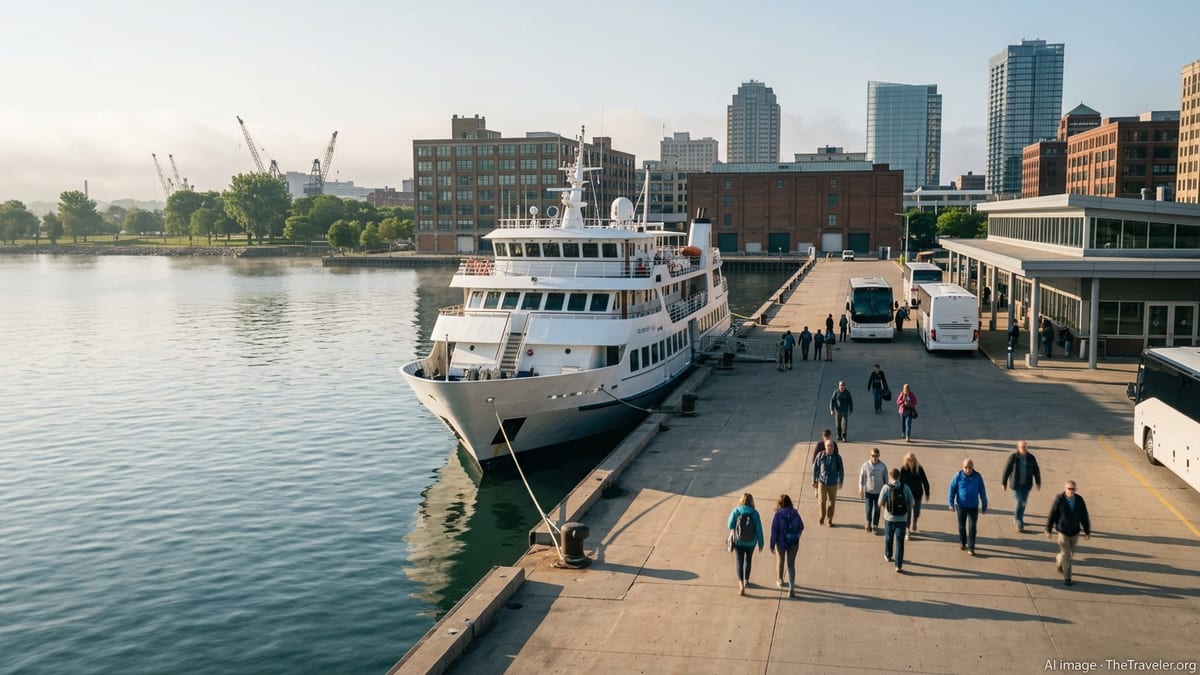
Lake Meridian’s Local Upgrades Draw Regional Attention
Lake Meridian, a freshwater lake in the city of Kent southeast of Seattle, has long been a neighborhood favorite for swimming, boating and picnicking. Recent planning documents and community updates indicate that the area is now benefitting from renewed attention on water quality, shoreline access and park programming, positioning the lake as a more polished anchor for short escapes from the Seattle metro area.
Publicly available information from the City of Kent shows that officials updated the Integrated Aquatic Vegetation Management Plan for Lake Meridian with support from the Washington State Department of Ecology, targeting invasive aquatic weeds and long-term environmental health. The plan outlines lake conditions, management options and an action roadmap, signaling a shift from ad hoc maintenance to more strategic stewardship.
Community bulletins from Kent also highlight ongoing recreation efforts around Lake Meridian Park, including seasonal safety campaigns and family-focused events. While lifeguard staffing remains limited, outreach around life jackets, designated swimming zones and summer activities has helped keep the lake visible as an accessible option for families seeking a quick getaway without leaving the urban fringe.
These incremental but sustained improvements are drawing wider interest from regional visitors looking beyond Seattle’s downtown waterfront. Travel discussion forums and local guides increasingly reference Lake Meridian alongside better-known lakes in the region, portraying it as a less crowded alternative that can be paired with brewery visits, historic districts and shopping stops in Kent and neighboring South King County communities.
Cross-Border Tourism Initiatives Link Pacific Northwest and Canada
At the same time, broader tourism policy developments are reshaping how visitors move through the Pacific Northwest. A joint statement issued through the Pacific Northwest Economic Region organization in late 2025 emphasized a bilateral commitment to cross-border tourism and travel between Western Canadian provinces and the U.S. Northwest. The statement called for smoother border procedures, coordinated marketing and deeper collaboration between industry and government to support a “thriving, sustainable and resilient” tourism economy across the region.
Parallel efforts are emerging on the U.S. side to rebuild international travel flows. The bipartisan VISIT USA Act, introduced in late 2025 in the U.S. Senate, seeks to restore full funding for Brand USA, the public–private partnership that markets the United States abroad. Public materials describing the bill frame Brand USA as central to communicating visa and entry policies and highlighting destinations that might otherwise be overlooked by international travelers.
Canada has been singled out as a particularly important market in these efforts. Brand USA’s recent Canada Connect series brought U.S. destinations and travel brands together with Canadian advisors and tour operators, underscoring the intention to keep Canada closely tied to U.S. itineraries. Reports from the series describe strong interest in multi-stop trips that combine urban centers, outdoor recreation and lesser-known regional attractions.
For the Seattle area, this policy backdrop means that day-trip destinations such as Lake Meridian can be woven into broader cross-border narratives. Itineraries that begin in Vancouver or Victoria and continue to Seattle, Tacoma and the wider Puget Sound could increasingly promote lakes, trails and small-city cultural districts as added-value stops, rather than focusing only on headline national parks.
Cascadia Agreements and New Tourism Corridors
Beyond national-level initiatives, subnational agreements are tightening links across the Cascadia region. In October 2025, leaders from British Columbia, Washington and Oregon signed a memorandum of reaffirmation during the Cascadia Innovation Corridor conference, pledging to deepen collaboration on innovation, sustainability, connectivity and economic development. Although the document ranges from housing to high-speed rail, tourism and travel are implicitly tied to priorities such as transportation infrastructure, environmental stewardship and cross-border branding.
Regional organizations have been using these frameworks to push specific tourism goals. Summaries of the 2025 Pacific Northwest Economic Region summit reference work on a “Go” tool for cross-border travel and tourism, as well as coordination with border agencies on pilot projects that could shorten wait times and clarify documentation requirements. These efforts are being discussed alongside preparations for major events such as the 2026 FIFA World Cup matches planned in the Pacific Northwest, which are expected to draw significant international traffic, including visitors from Canada and Europe.
On the Canadian side, Destination Canada has launched new tourism corridors designed to attract investment and create multi-day, multi-region journeys. Federal programs have also expanded funding for Indigenous tourism, with recent announcements detailing tens of millions of dollars in support for First Nations, Métis and Inuit operators. Public data from the Conference Board of Canada indicates that Indigenous tourism already generates billions in revenue and tens of thousands of jobs, suggesting ample opportunity for cross-border partnerships with tribal and Indigenous nations in Washington State and beyond.
Together, these corridor concepts and Indigenous tourism investments are encouraging more nuanced itineraries that emphasize culture, sustainability and local ownership. For visitors crossing the border into Washington, that trend could translate into curated routes linking Indigenous-led experiences on both sides of the border with nature-focused stops at lakes, rivers and forests accessible as day trips from Seattle.
From Neighborhood Lake to International Day-Trip Asset
Within this evolving landscape, Lake Meridian is a case study in how modest, locally managed sites can benefit from global tourism currents. The lake’s location in Kent, roughly midway between Seattle and Tacoma and not far from Seattle–Tacoma International Airport, makes it relatively easy to fold into short stays or stopovers. Travelers arriving for major events, conferences or cruises increasingly look for low-effort nature breaks that do not require long drives or strenuous hikes.
Planning documents and recreation guides highlight Lake Meridian’s boat launch, fishing access, playgrounds and picnic areas, all of which appeal to multi-generational groups. When framed in marketing materials alongside nearby urban attractions, the lake can add balance to itineraries dominated by city sightseeing or stadium events. The emphasis on improved aquatic vegetation management can also resonate with travelers who prioritize clean water and habitat protection.
Travel research on the Pacific Northwest notes that the region’s tourism sector has not fully capitalized on its binational identity. Analysts argue that the U.S.–Canada border has sometimes functioned as a missed opportunity rather than a shared brand. The recent push for coordinated messaging, coupled with the renewal of cross-border agreements, points toward a more integrated vision in which lakes like Meridian serve as everyday touchpoints in larger stories about Cascadia’s living landscapes.
In practical terms, that could mean more package tours and independent guides highlighting “Seattle plus surroundings” experiences that run from downtown art museums and food markets to suburban lakes and foothill viewpoints. If cross-border travel volumes continue to rebound, Kent’s lakefront may find itself welcoming a more international mix of day-trippers alongside local regulars.
Policy, Access and Sustainability Shape the Next Phase
The trajectory of Lake Meridian and similar destinations will ultimately depend on how policy, infrastructure and community priorities align over the next few years. National tourism proposals such as the VISIT USA Act and cross-border working groups tied to the United States–Mexico–Canada Agreement review are designed to keep international visitation growing while smoothing administrative friction. Regional compacts in Cascadia aim to pair that growth with investments in sustainable transport and environmental resilience.
On the ground in Kent, follow-through on lake management plans and public safety messaging will be critical to absorbing any uptick in visitor numbers. Ensuring that shoreline improvements, parking, restroom facilities and access for non-motorized users keep pace with demand will help prevent crowding and environmental degradation. Local discussions about lifeguard coverage, event scheduling and neighborhood impacts are likely to intensify if Lake Meridian continues to gain regional visibility.
For cross-border travelers from Canada and beyond, the emerging framework suggests a Pacific Northwest where day trips and micro-adventures play a larger role in how the region is promoted. In that scenario, Lake Meridian’s strengthened profile becomes part of a broader story in which small lakes, community parks and suburban cultural hubs share the stage with iconic peaks and national parks, anchored by a renewed partnership between the United States, Canada and other tourism partners.