


More news on this day
Boston Logan International Airport is preparing for periods of significant disruption as a multi‑phase runway safety project narrows airfield capacity, with Massport cautioning travelers that certain days and time windows could see longer queues for takeoff and landing.
Get the latest news straight to your inbox!
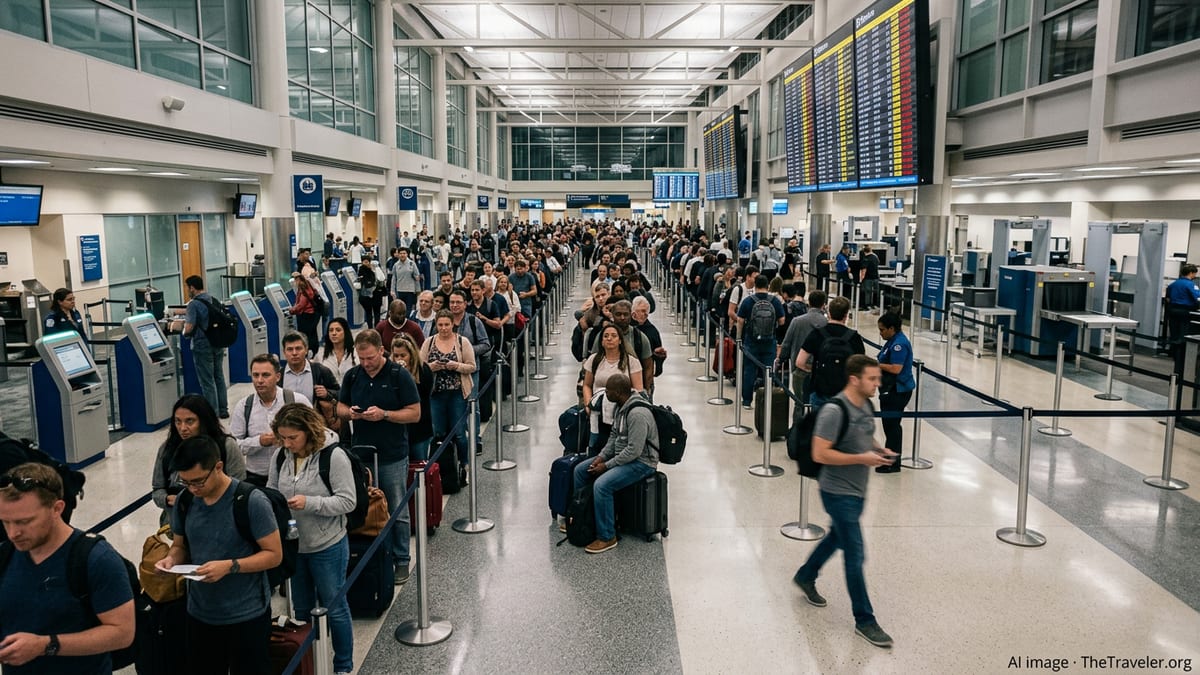
Runway safety upgrades tighten airfield capacity
Publicly available planning documents show that the latest safety work at Logan focuses on improving runway safety areas and related infrastructure at the ends of key runways used for both domestic and international operations. The project is part of a broader, multi‑year program to bring runway environments in line with contemporary federal standards intended to reduce the risk of overruns and other incidents.
The current phase centers on runway safety area improvements and associated pavement rehabilitation, including work near Runway 27, one of the primary departure runways during peak traffic configurations. Construction activities limit usable runway length or require runway closures during certain hours, which in turn constrains the number of arrivals and departures that the airport can accommodate in a typical operating day.
Planning materials indicate that the safety upgrades make use of engineered arresting materials and graded safety zones designed to stop or slow aircraft that might otherwise overshoot the paved surface. These enhancements, while largely invisible to passengers, represent one of the most direct ways airports can mitigate the severity of rare but high‑consequence runway incidents.
Massport’s public project descriptions note that construction is staged in segments to maintain as much runway availability as possible, but acknowledge that even partial closures can affect how air traffic controllers sequence aircraft, especially during busy morning and evening banks.
Travelers advised to expect delays at peak times
Based on Massport advisories and recent operational updates, the authority is signaling that passengers should be prepared for delays that may exceed routine congestion, particularly when runway availability overlaps with strong seasonal travel patterns or adverse weather. Reduced runway options can slow arrival and departure rates, meaning delays at Logan may ripple throughout the day as schedules absorb the impact.
Reports indicate that airlines serving Logan are adjusting some flight times and gauge choices to accommodate the constrained airfield, but many departures remain scheduled in tightly clustered banks. When a runway is taken out of full service for safety work, the remaining configuration provides less flexibility to manage traffic surges or to adapt to shifts in wind and visibility conditions.
Public guidance from prior Logan construction cycles suggests that passengers should allow extra time for connections and consider earlier flights if travel plans are inflexible. While security and check‑in operations are not the direct focus of the runway work, any disruption on the airfield can translate into longer gate holds, aircraft swaps and last‑minute gate changes, all of which add friction to the passenger experience.
Regional travel forums and airline updates in recent months have already highlighted periods when ground delay programs were implemented during earlier phases of airfield projects. Similar traffic management measures are likely when the latest runway safety work coincides with peak holiday weekends or storm systems moving through New England.
Airlines, FAA and Massport coordinate construction windows
According to project briefings and environmental review documents, the runway safety upgrades at Logan are being coordinated with the Federal Aviation Administration and airline stakeholders to minimize the number of fully closed days and to concentrate intensive construction into off‑peak windows when feasible. Nighttime and shoulder‑period work reduces immediate disruption but can still affect early‑morning operations if equipment removal or safety inspections extend toward the first departure push.
Traffic management plans described in these materials outline how different runway combinations will be used during construction, taking into account noise abatement procedures, prevailing winds and required separation between arrival and departure paths. With one or more primary runways constrained, controllers have fewer options to separate heavy long‑haul aircraft from smaller regional jets, contributing to occasional departure queues even when weather appears favorable from a passenger’s perspective.
Airlines at Logan are also likely to rely more heavily on schedule padding and holding patterns to absorb localized congestion during the most restrictive construction periods. While such tactics can protect on‑time statistics for downstream flights, they are often experienced by travelers as extended taxi times, airborne holding or delayed boarding.
Publicly available FAA traffic reports for past construction seasons show that Logan has periodically used ground delay programs when runway availability dropped below typical levels. Similar tools remain available during the current safety project, meaning some flights may have departure slots adjusted hours in advance based on forecast demand and capacity.
Why runway safety projects matter for travelers
The focus on runway safety areas at Logan stems from a nationwide effort to reduce the consequences of rare but serious runway overruns or veer‑offs. Safety area enhancements, including engineered materials that can rapidly decelerate an aircraft, are designed so that an unexpected excursion results in less damage and lower risk of injury to those on board.
While travelers primarily encounter these projects as a source of short‑term disruption, aviation safety analyses emphasize that upgraded runway environments provide long‑lasting protection during severe weather, contaminated runway conditions or high‑energy rejected takeoffs. For a busy coastal airport like Logan, where winter storms, strong crosswinds and rapidly changing visibility are recurring challenges, added margin around the runway is viewed as a significant long‑term benefit.
Logan’s prior airfield projects, including major work on Runway 15R/33L and other primary surfaces, have followed a similar pattern of near‑term operational impact followed by years of more resilient performance. As air traffic rebounds and schedule density increases, the added safety buffer built into runway ends and safety areas can also support more predictable recovery after weather‑related disruptions.
Industry research on airport delay propagation notes that constraints at a single major hub can echo across the national network, particularly when runway capacity is reduced at peak times. By investing in safety‑driven infrastructure now, Logan’s operator aims to balance the short‑term inconvenience of construction against a more stable operating environment for future seasons.
How passengers can navigate the construction period
For travelers planning to pass through Logan while the runway safety project is underway, basic preparation can help mitigate the impact of potential delays. Travel advisers commonly recommend booking longer connection windows, especially when changing airlines or terminals, and selecting earlier flights in the day, when recovery options are greater if a disruption occurs.
Passengers originating in New England may also want to consider Logan Express buses and public transit options that are less vulnerable to terminal road congestion during busy periods. With runway work attracting additional media attention to airport operations, experience from past seasons suggests that curbside traffic and parking facilities can quickly become saturated when delays stack up.
Families and business travelers alike can benefit from monitoring airline apps for gate and schedule changes, since airfield construction can trigger last‑minute swaps as carriers shuffle aircraft and crews. Keeping carry‑on essentials close and allowing extra buffer time before important meetings or events remains prudent during any period of constrained airport capacity.
As the safety project advances through its stages, Massport is expected to continue updating the public through its website, airport messaging and social channels, particularly when construction shifts to new runway segments or when major holiday travel periods approach. Travelers who build flexibility into their plans and stay informed about evolving runway conditions are likely to experience a smoother journey through Boston’s primary international gateway.