


More news on this day
Las Palmas Port has installed its first dedicated container for border control and passenger information at the cruise terminal, introducing automated registration systems designed to streamline checks for non-EU travelers and support the rollout of new European entry rules.
Get the latest news straight to your inbox!
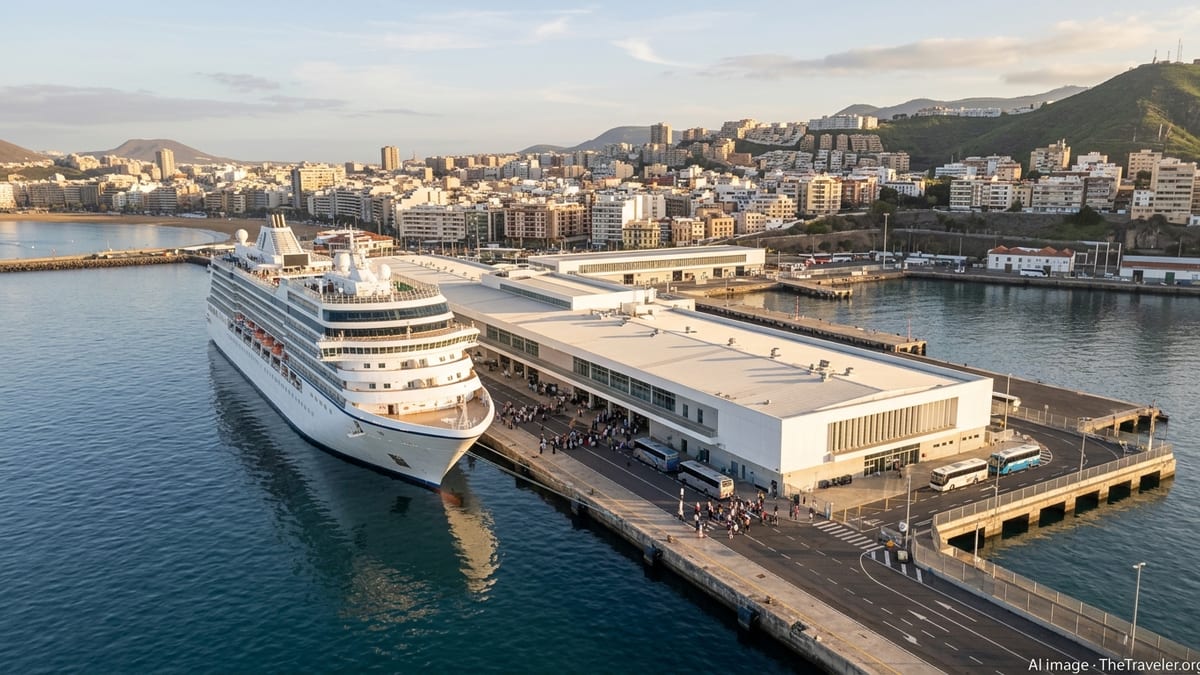
New container supports EES and ETIAS rollout
The newly installed unit at the cruise terminal in Las Palmas forms part of the European Union’s Entry/Exit System (EES) and European Travel Information and Authorisation System (ETIAS), which are being phased in across Schengen border points. Publicly available information indicates that the container will host equipment that records biometric and identity data for passengers from third countries, complementing existing manual checks.
Reports indicate that this is the first of two containers purchased specifically for border control and passenger services at the cruise docks in the Gran Canaria capital. The second container is expected to further expand automated capacity at the Santa Catalina cruise wharf once installed. The devices are part of a wider national program to equip Spanish ports with the technology required to comply with the new EU border regulations for sea and air travel.
According to published coverage, the container’s deployment follows a cooperation framework between Spain’s state ports system and national security bodies to fund and standardize EES and ETIAS infrastructure. Similar initiatives are being introduced at airports and other major passenger gateways, with port authorities responsible for providing the physical space and basic installations while specialized contractors supply and maintain the self-service equipment.
By situating the first container on the cruise quay, the port is positioning the facility to handle peak-season cruise calls as new registration obligations come into force. This approach is intended to keep passenger flows inside the terminal moving while the additional border formalities are incorporated into check-in and embarkation processes.
Eight self-service kiosks inside a modular facility
Within the container, the port has installed eight self-service registration kiosks, according to local media reports. These kiosks are expected to be used by passengers from non-EU and non-Schengen countries, who will need to enroll their fingerprints and facial images and confirm passport details under the EES scheme.
The modular unit enables the port to create a controlled environment for biometric capture without carrying out major structural works inside the cruise terminal building itself. It also offers flexibility for future layout changes at the quay, as the container can be relocated if passenger flows or berth uses evolve in the coming years.
Publicly available information on similar systems in other European gateways suggests that the kiosks will guide travelers through an on-screen process, reducing the time required for manual data entry at border booths. Once passengers have completed registration, border officers can carry out final checks using the information stored in the shared European database, which is intended to replace traditional passport stamping for affected nationalities.
The eight-kiosk configuration at Las Palmas Cruise Terminal reflects expectations of continued growth in international cruise calls to Gran Canaria. The port regularly receives vessels on Atlantic and repositioning routes, and the new infrastructure is designed to accommodate surges in demand when multiple large ships are berthed simultaneously.
Digital transformation at a growing Atlantic hub
The container installation fits into a broader digital transformation strategy at Las Palmas Port, one of the principal mid-Atlantic hubs for cargo, bunkering and passenger traffic. Recent port statistics highlighted record container and cruise volumes in 2024 and 2025, underlining the need for more efficient ways to handle border and security formalities for rising numbers of visitors.
According to port communications, the authority sees the adoption of automated border control technology as a key step in aligning with wider European objectives on “smart borders.” The aim is to combine enhanced security with smoother journeys, especially at busy intermodal nodes that serve both freight and passenger markets.
Las Palmas Cruise Port itself has recently expanded, with a new terminal facility receiving its first calls in late 2025 and positioning the destination to handle some of the largest cruise vessels currently in service. The addition of the border-control container at the quay supports this expansion by ensuring that the landside infrastructure can keep pace with ship capacity and more complex regulatory requirements.
Observers of port development in the Canary Islands note that automation is increasingly present in both cargo and passenger operations, from digitalized gate systems at container terminals to smarter passenger check-in areas. The EES and ETIAS container in Las Palmas is one of the most visible examples of this shift on the cruise side.
Improving passenger information and terminal experience
In addition to border control functions, the new container has been set up to provide information services to cruise passengers, according to regional coverage. This dual role is intended to help travelers understand the new EES and ETIAS procedures while they complete the required steps, reducing confusion at peak times.
Ports that have trialed similar systems in recent years have tended to combine automated kiosks with staffed information points and signage that explains each stage of the process. The Las Palmas unit is expected to follow this pattern, offering a single space where passengers can receive guidance on documentation, registration and onward movements through the terminal.
For cruise operators using Las Palmas as a turnaround or transit port, the enhanced information function can help minimize bottlenecks during embarkation and disembarkation. Clear instructions at the border-control container may shorten queues at the main terminal concourse, supporting more predictable boarding schedules and smoother handovers between arriving and departing guests.
The initiative also responds to the growing importance of passenger experience in cruise port ratings and itinerary planning. Efficient, easy-to-understand border checks can influence how cruise lines and travelers perceive a destination, particularly in regions where multiple ports compete to attract calls from the same vessels.
Part of a wider Spanish and European port upgrade
The Las Palmas deployment forms part of a broader program to equip Spanish ports with mobile and fixed EES and ETIAS facilities. Information published by Spain’s national ports authority outlines a strategy in which port authorities provide containers, terminal spaces or dedicated rooms, while standardized self-service kiosks and border-control equipment are rolled out across multiple locations.
Across Europe, seaports that host international passenger services are preparing for the same regulatory deadline, with cruise terminals, ferry ports and mixed-use passenger stations integrating biometric kiosks and upgraded border booths. The Las Palmas container is one of the first visible examples in the Canary Islands of how these continental rules are being implemented in practice at a major cruise gateway.
As the second container is installed and systems become fully operational, Las Palmas Port is expected to refine its passenger flow patterns based on real traffic data. This may involve adjusting queue layouts, adding wayfinding elements or reallocating parts of the quay to balance security needs with the comfort of travelers arriving in Gran Canaria.
The new container and the technology it houses signal a long-term shift in how cruise passengers interact with border controls in Spain. For visitors sailing into Las Palmas, the experience of entering the Schengen area increasingly begins not in a traditional passport booth line but at a self-service terminal inside a purpose-built modular facility on the cruise pier.