


More news on this day
Holiday weekend travel was thrown into disarray at Los Angeles International Airport on July 4 as four long haul and transcontinental flights operated by KLM, United Airlines, JetBlue, and American Airlines were canceled, with additional departures heavily delayed, rippling disruption across the United States, Canada, France, Switzerland, the United Arab Emirates, and other onward destinations.
Get the latest news straight to your inbox!
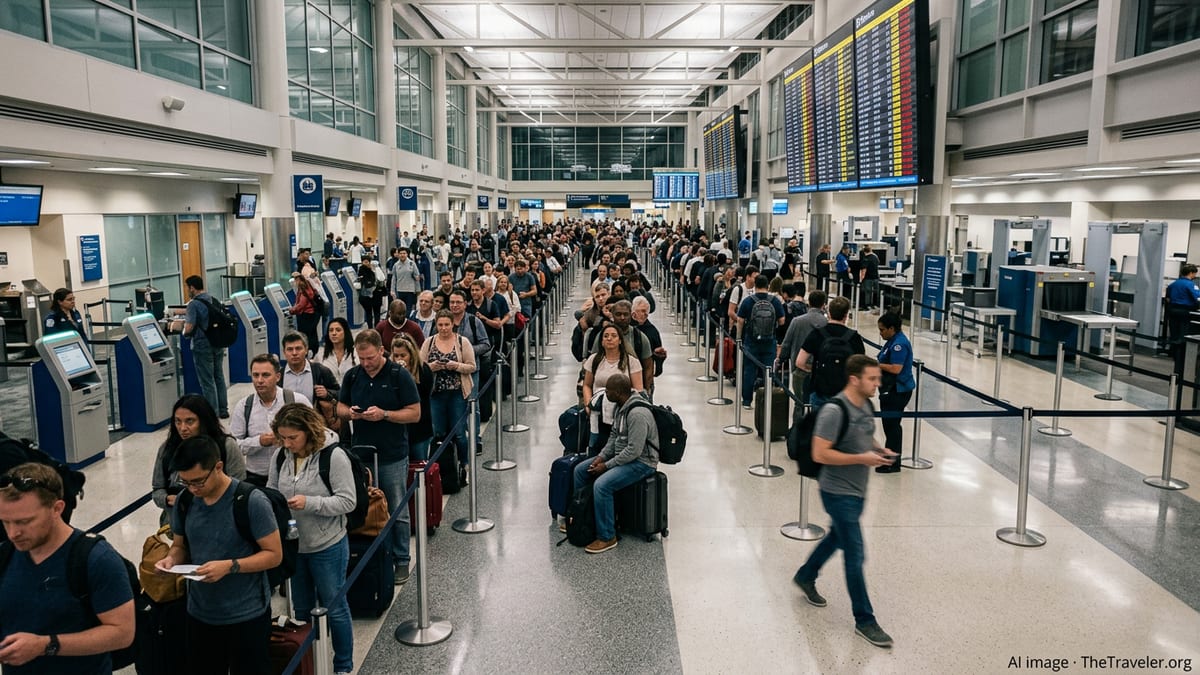
Chain Reaction of Cancellations at LAX
According to real time flight monitoring services and publicly available schedule data, at least four departing services from Los Angeles International Airport were scrubbed on Saturday after extended delays, affecting routes marketed by KLM, United, JetBlue, and American. The cancellations disrupted itineraries that relied on onward connections to major hubs in North America, Europe, and the Middle East.
Operational data show that several Los Angeles to East Coast flights, including services to New York and Fort Lauderdale used by KLM and JetBlue as codeshare and partner links, experienced rolling delays before being withdrawn from the schedule or substantially rescheduled. Passengers booked on KLM marketed flights via partner-operated transcontinental sectors were among those impacted as disrupted U.S. domestic legs broke carefully timed connections to European gateways such as Amsterdam and Paris.
United and American, two of the largest carriers at LAX, also saw holiday weekend operations strained as departures toward Newark and New York John F. Kennedy International Airport faced congestion and weather related challenges along the busy transcontinental corridor. In several cases, aircraft were held at gates while airlines worked through crew availability, air traffic management programs, and the knock on effects of earlier delays.
While the number of outright cancellations remained limited compared with the airport’s overall daily volume, the timing and routing of the affected flights amplified their impact. Many travelers were relying on these departures to make same day connections to Canada, Europe, and the Gulf region, turning a handful of canceled flights into a larger web of missed onward journeys.
Transatlantic and Codeshare Itineraries Unravel
Published schedules indicate that KLM’s presence at LAX on July 4 included a mix of its own services and codeshare flights operated with partners across the Atlantic and on U.S. domestic sectors. When key transcontinental segments from Los Angeles to New York and other East Coast hubs were delayed or canceled, itineraries built around tight connection windows to Amsterdam and Paris Charles de Gaulle quickly came under strain.
Passengers booked on tickets combining a Los Angeles departure with overnight transatlantic connections to France, Switzerland, and other European destinations faced the prospect of missed flights and involuntary overnight stays. In some cases, rebooking required shifting travelers onto alternative routings through different U.S. hubs or postponing departure to the following day, depending on available seat capacity.
The disruption extended beyond Europe. For some travelers, Los Angeles to East Coast flights serve as the first leg of longer journeys to the Middle East, including routes linking U.S. cities with major hubs in the United Arab Emirates. When early segments failed to depart as planned, connecting options narrowed quickly, particularly in premium summer travel periods when many long haul flights already operate close to full.
Airline customer service channels and online travel platforms showed a surge in rebooking activity as affected passengers sought new itineraries. Publicly available information suggests that some were rerouted through alternative gateways such as Chicago, Dallas, or San Francisco, while others shifted to next day departures from Los Angeles once additional seats became available.
JetBlue and American Struggle With Domestic Knock On Effects
JetBlue and American Airlines, both significant players on key domestic routes out of LAX, faced their own operational challenges as the holiday rush coincided with constrained capacity and residual schedule adjustments from earlier in the summer. Flight tracking services recorded multiple JetBlue departures from Los Angeles with extended delays, including services to Fort Lauderdale and New York that feed into broader North American and Caribbean networks.
American, which uses both its LAX operations and East Coast hubs to connect passengers onward to Canada and transatlantic destinations, also reported a patchwork of delays layered on top of the cancellations. Travelers heading to Canadian cities, as well as to secondary markets in France and Switzerland via American and alliance partners, encountered missed connections and unplanned layovers when departure times slipped by several hours.
These domestic knock on effects were particularly acute for passengers traveling on multi segment itineraries with checked baggage. When the first leg of a trip from Los Angeles failed to depart on schedule, rebooking often required changing both intermediate and final destinations, creating additional stress for travelers concerned about whether their luggage would follow the revised route.
Reports from airline information channels showed that some passengers opted to abandon same day travel altogether, choosing to accept travel credits or refunds and rebook for later in the week rather than risk further disruption on a crowded holiday weekend.
United’s Transcontinental Network Feels the Strain
United Airlines, which maintains a large hub operation at Newark Liberty International Airport, relies heavily on transcontinental flights from Los Angeles to feed both domestic and international connections. On July 4, schedule data and live flight status pages showed a pattern of tight turnaround times and creeping delays on this corridor as aircraft and crews cycled through multiple high demand segments.
Even when some United flights from Los Angeles to Newark and other East Coast cities ultimately departed, the accumulated delays narrowed connection windows for onward travel to Canada and Europe. Passengers bound for cities such as Toronto, Montreal, Paris, and Geneva via Newark and other hubs faced the risk that relatively short disruptions on the first leg could cascade into missed international departures.
In a small number of cases, flights that initially appeared as significantly delayed were later withdrawn and registered as canceled by tracking services, leaving passengers to seek alternative options. Public information shows that United, like other major U.S. carriers, offers rebooking and in some cases refunds when cancellations occur, but capacity constraints during peak periods can still leave travelers with limited immediate choices.
The strain on United’s network underscored the vulnerability of complex hub and spoke systems to localized disruption. A handful of delayed or canceled flights on a key route such as Los Angeles to Newark can quickly create ripple effects far beyond the original departure and arrival cities, particularly when many passengers are connecting to long haul international services.
Passengers Confront Rebooking Challenges and Limited Options
For the hundreds of passengers affected at LAX, the most immediate challenge was finding a way to continue their journeys amid crowded terminals and limited spare capacity. Publicly available guidance from airlines indicates that standard responses to cancellations include offering the next available flight, rerouting through alternative hubs, or providing vouchers and refunds in line with carrier policies.
However, when multiple airlines encounter issues at the same large hub on a busy holiday, those standard remedies can prove difficult to implement quickly. Travelers seeking to reach destinations in Canada, France, Switzerland, and the United Arab Emirates often rely on a small number of daily long haul departures from major hubs. Once those flights are full or have departed, opportunities to salvage same day travel diminish sharply.
Consumer advocates typically advise passengers in such situations to monitor flight status continuously, keep boarding passes and receipts, and document the timeline of events, particularly when delays stretch over several hours. While compensation rules vary by carrier and by route, especially between domestic U.S. and international segments, clear records can help travelers pursue reimbursement for additional costs such as meals or hotels when policies allow.
As operations gradually stabilized into the evening, schedule data showed later departures leaving Los Angeles closer to posted times, but the earlier wave of cancellations and long delays left a lingering backlog. Many passengers rebooked for July 5 departures, extending trips that were originally planned to connect continents in a single continuous travel day.