


More news on this day
United Airlines flight UAL2197, an Airbus A321neo operating from George Bush Intercontinental Airport in Houston to Chicago O’Hare, diverted to Des Moines International Airport in Iowa on 9 August, according to publicly available flight tracking data and airline schedule information.
Get the latest news straight to your inbox!
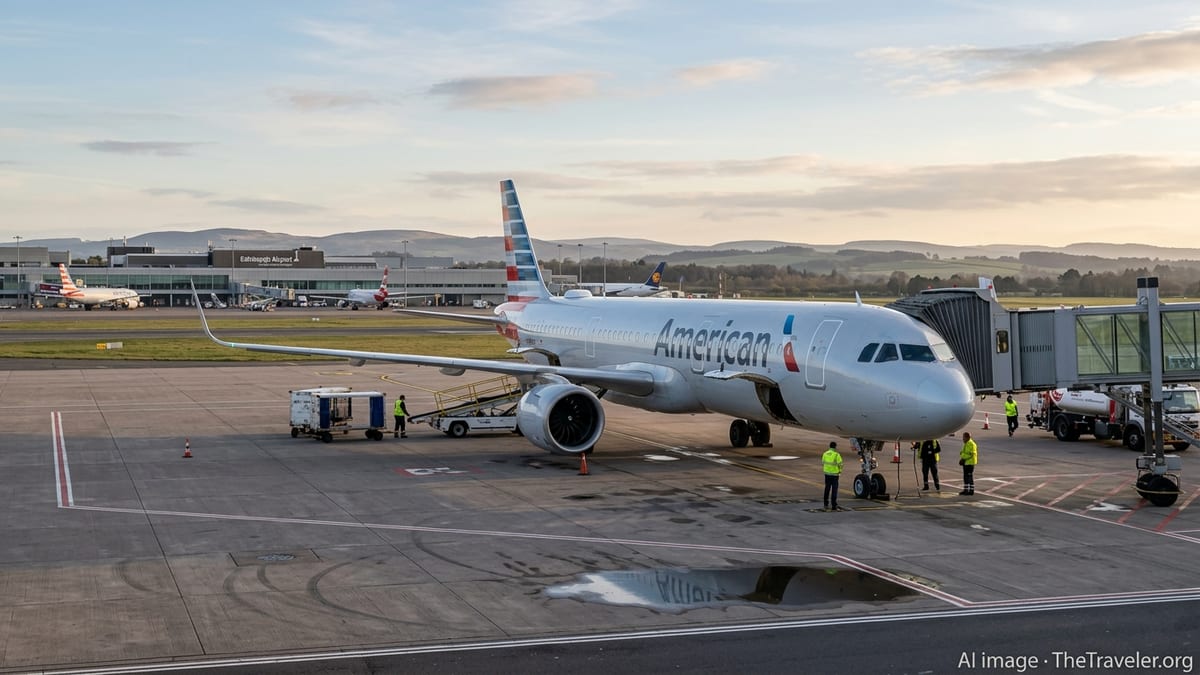
Airbus A321neo Service Diverts En Route to Chicago
The regularly scheduled United Airlines service, operating under flight number UAL2197 between Houston and Chicago, was being flown by an Airbus A321neo, one of the newest single aisle aircraft in the carrier’s fleet. Data from flight tracking platforms for 9 August show the aircraft departing George Bush Intercontinental Airport and routing north toward Illinois before changing course toward Des Moines International Airport.
Available tracking information indicates that the aircraft descended steadily and landed at Des Moines without incident. The diversion occurred during the cruise segment of the journey, with the A321neo turning west of its typical arrival track into Chicago O’Hare. There were no immediate public reports of an emergency declaration or irregular maneuvers that would typically indicate a severe in flight issue.
As of the time of writing, no detailed technical explanation has been published by the airline. Diversions of this kind are commonly associated with a range of factors such as weather conditions along the route, air traffic flow management into a major hub, minor technical concerns that require ground inspection, or passenger related medical situations.
Publicly available information shows that, following the landing, the flight’s journey to Chicago was subsequently completed by the airline’s network through rebooking and onward connections, consistent with standard operational practice after an unscheduled stop.
Des Moines International’s Role as a Diversion Airport
Des Moines International Airport functions as the primary commercial gateway for Iowa and routinely accommodates a mix of scheduled airline, general aviation and occasional diversion traffic. The airport handles hundreds of daily operations in a typical year and is used by major United States carriers as an alternate field when routing through the central Midwest.
The airfield’s location between major hubs such as Chicago, Denver and Minneapolis makes it a practical option for aircraft seeking a safe and well equipped diversion point. Infrastructure at Des Moines International includes multiple paved runways capable of handling narrow body jets like the Airbus A321neo, along with ground handling and passenger facilities that allow for deplaning, servicing and potential onward rebooking.
Recent capital projects at the airport have focused on expanding and modernizing its facilities, including work on new de icing pads and terminal improvements. These upgrades are intended to support both local travelers and the additional traffic generated when flights are rerouted due to weather systems affecting the upper Midwest.
When a mainline aircraft diverts into a non hub airport such as Des Moines, airline operations teams typically coordinate with local airport staff and contracted ground handlers to manage fueling, catering, crew duty time considerations and any necessary maintenance inspections before deciding whether the same aircraft will continue its planned journey.
How Airline Diversions Are Managed for Passengers
Published coverage and traveler accounts across the industry show that diversions such as the one involving UAL2197 can lead to delays and missed connections, but they are primarily intended as a safety and operational precaution. Once an aircraft is on the ground at the diversion airport, customer handling depends largely on the estimated length of the disruption, the availability of a gate, and crew duty time limits.
In some cases, passengers remain onboard during a brief fuel stop or inspection and then continue to the original destination once the aircraft is cleared. In other situations, travelers deplane into the terminal while the airline arranges a new crew, secures maintenance support, or identifies another aircraft to complete the route. For hub bound flights like Houston to Chicago, rebooking onto later departures is a common solution when onward continuation is no longer practical.
Industry guidance generally notes that airlines prioritize completing the flight to its ticketed destination whenever possible, although extended weather disruptions and crew scheduling constraints can complicate those plans. For passengers, that can mean a mix of same day continuation, overnight stays near the diversion airport, or alternative routings through other hubs.
Travelers affected by diversions are typically encouraged to monitor airline mobile apps and departure boards for rebooking details, and to keep boarding passes and receipts if later seeking reimbursement or travel credits in line with each carrier’s policies.
Context Within a Summer of Weather and Operational Disruptions
The diversion of UAL2197 on 9 August came during a busy summer travel period in the United States, when thunderstorms across the central and eastern regions frequently affect traffic flows into large hubs such as Chicago O’Hare. Aviation analysts note that even localized convective weather near a hub airport can quickly lead to holding patterns, expanded separation between arrivals, and, when fuel margins tighten, tactical diversions to nearby fields.
Operational data and traveler reports from recent weeks indicate that Midwest and Great Lakes hubs have experienced multiple rounds of weather related disruption, resulting in ground stops, rerouted arrivals and occasional diversions to secondary airports in Iowa, Wisconsin and neighboring states. These ripple effects can reach flights that otherwise depart on time and operate normally for most of their route before encountering constraints near their destination.
For airlines, maintaining network reliability in such conditions involves complex real time decision making. Dispatchers and flight crews weigh fuel reserves, weather forecasts, air traffic control flow programs and crew duty limits to determine whether to hold, reroute or divert. In many cases, an orderly diversion to a nearby airport such as Des Moines is viewed as the most controlled outcome, allowing the flight to land with comfortable fuel margins and giving operations teams time to reset the schedule.
While the specific combination of factors that led to UAL2197’s diversion has not been detailed publicly, the event fits within a broader pattern of summer disruptions that highlight both the vulnerabilities and the built in resilience of the United States domestic air travel system.
What the Diversion Means for Future Travelers on the Route
For future passengers flying between Houston and Chicago, the diversion of UAL2197 is unlikely to result in long term schedule changes, but it serves as a reminder that even short haul domestic segments can be affected by dynamic conditions in the national airspace system. Airlines regularly review flight performance and may adjust departure times, typical routings or fuel planning profiles in response to trends observed over busy seasons.
Travel experts often recommend that passengers traveling through weather sensitive hubs build in additional connection time, particularly during summer and winter, when thunderstorms or snow can disrupt tightly timed itineraries. Booking earlier flights in the day can also increase the range of rebooking options if a diversion or delay occurs.
For airports like Des Moines International, handling occasional mainline diversions can underscore the importance of maintaining flexible infrastructure and staffing that can accommodate sudden surges in passenger numbers. Local tourism and hospitality businesses may also see sporadic benefits from stranded travelers requiring overnight stays.
As airlines continue to integrate newer aircraft types such as the Airbus A321neo into domestic networks, operational events like the diversion of UAL2197 will continue to be analyzed within the industry. The emphasis remains on ensuring that any adjustments prioritize safety and maintain as much schedule reliability as conditions allow.