


More news on this day
London’s key airports are facing a fresh wave of disruption, with publicly available tracking data showing 421 flight delays and 23 cancellations affecting services to Calgary, Amsterdam, Paris, Malaga and several other destinations operated by Virgin Atlantic, British Airways, Delta Air Lines, Air France, BA CityFlyer and additional carriers.
Get the latest news straight to your inbox!
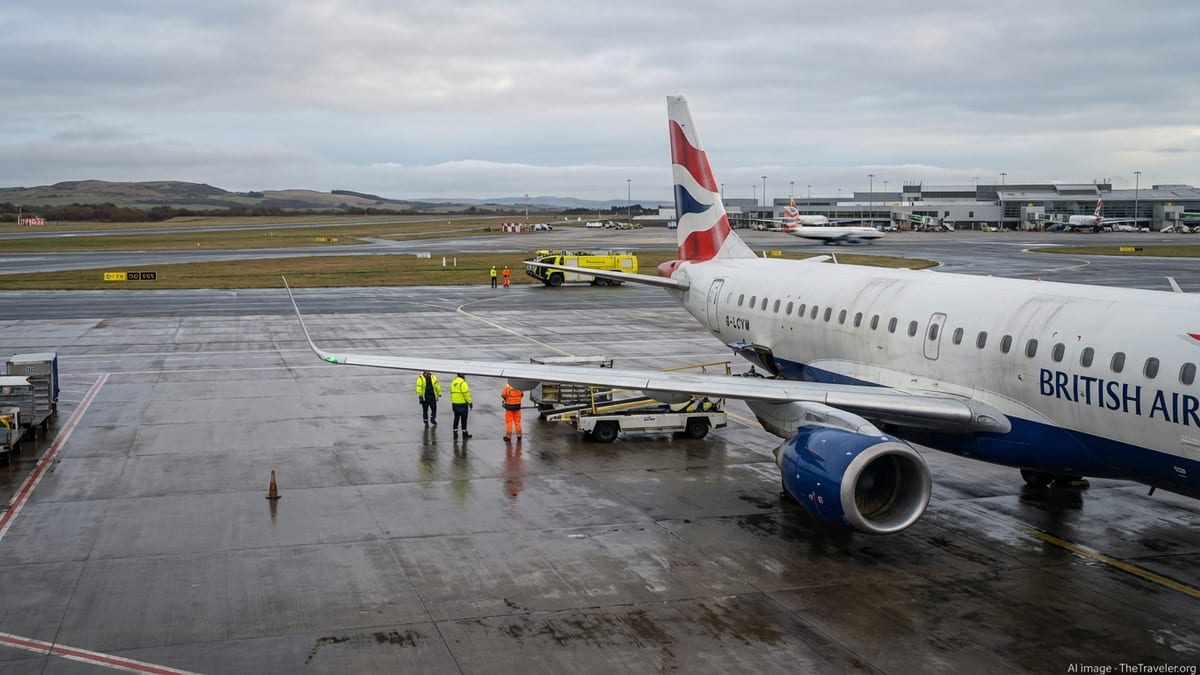
Delays Ripple Across London’s Major Hubs
Operational data compiled from live flight-status platforms on Friday 26 June 2026 indicates that London’s main airports, led by Heathrow and Gatwick, have recorded more than four hundred delayed departures and arrivals alongside dozens of cancellations. The disruption is concentrated on short and medium haul routes into Europe and transatlantic services linking the United Kingdom with North America.
Flights to and from Amsterdam, Paris and Malaga rank among the most affected European sectors, with banks of departures from London experiencing late pushbacks and extended ground holds. Services into Calgary and other Canadian and US cities are also seeing knock-on delays, particularly where they rely on tight connection windows at London hubs.
The 421 delays range from modest schedule slips of 30 to 45 minutes to multi-hour disruptions that force missed onward connections and rebookings. The 23 cancellations remove entire rotations from the timetable, compounding crowding at customer service desks and stretching available seats on alternative flights during an already busy early-summer travel period.
Industry observers note that even when the raw number of cancellations appears small relative to overall daily traffic, the clustering of disruptions at a handful of major hubs in the London area can cascade rapidly across airline networks, unbalancing crew rosters and aircraft positioning for days.
Flag Carriers and Partners Bear the Brunt
Publicly available tracking boards show that the heaviest impact falls on airlines with high-frequency schedules into London. British Airways and its regional subsidiary BA CityFlyer, Virgin Atlantic, Delta Air Lines, Air France and other SkyTeam and Oneworld partners are all listed among the carriers facing the delays and cancellations.
British Airways, as the largest operator at Heathrow and a significant presence at other London airports, appears prominently in the disruption statistics, particularly on routes to continental European hubs such as Amsterdam and Paris, as well as leisure destinations including Malaga. Secondary bases and partner-operated codeshare services are also affected when aircraft and crews fail to arrive on time from London.
Virgin Atlantic and its joint-venture partners, including Delta Air Lines and Air France, are seeing schedule pressure on transatlantic and connecting European services. For travellers heading from North America to cities such as Calgary or connecting via Amsterdam and Paris, late inbound arrivals into London can swiftly translate into missed connections and overnight stays.
BA CityFlyer, which operates from London City and other regional airports, is particularly exposed on shorter, high-frequency routes. When a single rotation is cancelled, the compact schedules and limited spare capacity at smaller airports leave passengers with fewer same-day alternatives.
Key Routes Hit: Calgary, Amsterdam, Paris and Malaga
The latest disruption is being acutely felt on a cluster of high-demand routes linking London with Calgary, Amsterdam, Paris and Malaga, along with several other European and North American destinations. These city pairs combine heavy business demand, leisure traffic and connecting passengers, making them particularly vulnerable when schedules slip.
Services between London and Calgary, operated both directly and via alliance partners, are sensitive to timing because many itineraries rely on onward domestic connections in Canada or back through London into Europe. When westbound departures leave late or eastbound arrivals miss their slots, passengers can face lengthy re-routing or overnight delays.
Amsterdam and Paris, two of Europe’s busiest hubs, frequently feature in disruption tallies as they serve as both origin and connection points for London-bound traffic. Today’s backlog across London’s network is feeding into congested banks of flights at Schiphol and Charles de Gaulle, where late arrivals from the United Kingdom complicate already tight turnaround schedules.
Malaga and other southern European leisure destinations are also recording late departures from London, with some flights sliding into the late evening or being removed from the schedule entirely. For holidaymakers at the start of peak season, even relatively short delays can mean missed hotel check-ins, lost prepaid transfers and rearranged excursions.
Operational Pressures and Summer Travel Demand
A combination of factors is contributing to the latest disruption around London. Industry analysis points to a mix of air traffic control flow restrictions in congested European airspace, local weather challenges on earlier rotations, and ongoing staffing and aircraft-availability constraints that have left limited slack in airline schedules as summer demand peaks.
When storms, high temperatures or visibility issues affect one part of a carrier’s route network, aircraft and crews can end up out of position for subsequent flights from London. Without spare aircraft or standby crews available in sufficient numbers, even minor early-morning delays can snowball into a full-day pattern of late operations and tactical cancellations.
Heavy passenger loads in late June, driven by school holidays and the build-up to the main European vacation period, reduce the options for rebooking. With many flights already near capacity, a single cancellation can require hundreds of passengers to be spread across multiple departures over several days, increasing pressure on both airport infrastructure and airline support channels.
Ground handling capacity, security queues and airport stand availability also play a role. At airports such as Heathrow and Gatwick, where runway and gate resources are tightly scheduled, any deviation from the planned timetable can cause aircraft to wait for stands or pushback slots, further amplifying delays throughout the day.
What Disrupted Passengers Can Expect
Travel-rights specialists and consumer organisations advise that passengers affected by the London disruptions should first consult airline apps or airport departure boards to confirm the latest status of their flights, as schedules may continue to change throughout the day. In many cases, carriers are offering free rebooking onto later departures or alternative routes when connections through Calgary, Amsterdam, Paris or Malaga are no longer viable.
Under UK and European passenger-protection rules, travellers may be entitled to meals, hotel accommodation and ground transport when lengthy delays or overnight stays occur, depending on the cause of the disruption and the length of the delay. Financial compensation can also be available on some routes when the delay or cancellation is determined to be within the airline’s control.
Experts recommend that passengers keep boarding passes, booking confirmations and receipts for any extra expenses such as meals or accommodation purchased during the disruption. These documents can be important when submitting claims after travel is complete, particularly in cases where connecting flights or separate tickets have been affected.
With London’s air travel network clearly under strain, travellers scheduled to fly in the coming days are being encouraged by consumer advocates to monitor their bookings closely, allow extra time at the airport and consider the potential impact of tight connections, especially when itineraries involve multiple carriers or transfers through heavily used hubs like Amsterdam, Paris, Malaga or Calgary.