


More news on this day
An American Airlines regional flight operating as RPA4727 on the Providence to Chicago route diverted to Louisville, Kentucky, adding a fresh example of how weather, congestion and scheduling pressures continue to disrupt U.S. air travel and strand passengers far from their intended destinations.
Get the latest news straight to your inbox!
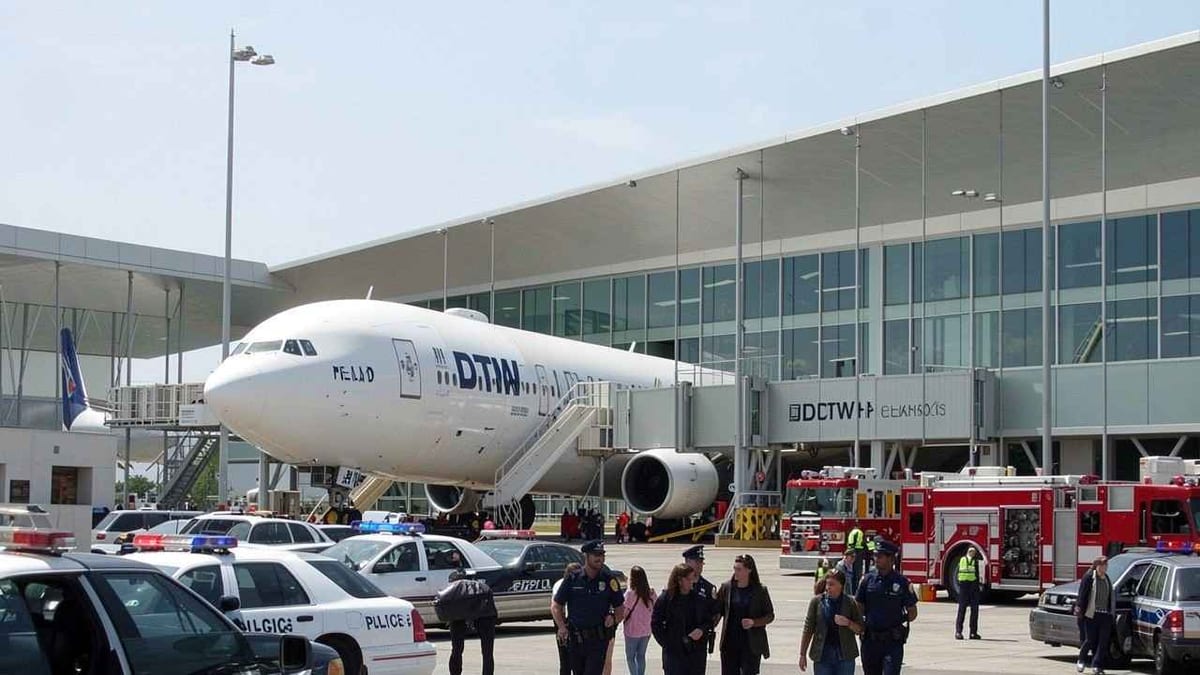
Unscheduled Stop on a Busy Northeast–Midwest Corridor
Publicly available flight-tracking information indicates that American Airlines RPA4727, a regional service marketed by the carrier and operated under the American Eagle brand, was scheduled to fly from Providence, Rhode Island, to Chicago. Instead of continuing to its planned destination, the aircraft diverted to Louisville Muhammad Ali International Airport in Kentucky, where the flight ultimately terminated.
The Providence to Chicago corridor is a heavily used link in the broader American Airlines network, feeding traffic into a major Midwest hub for onward connections across the country. A diversion to Louisville shifts passengers hundreds of miles off course and typically requires a complex rebooking effort, especially when the aircraft does not continue onward to the original destination.
Operational data suggests that the diversion unfolded against a backdrop of wider schedule pressures in the region, with air traffic constraints and summer weather repeatedly affecting flights in the Northeast and upper Midwest. In such conditions, even short delays or route adjustments can cascade into missed connections and a shortage of available seats on alternative services.
Weather, Congestion and Safety Protocols Behind Diversions
Industry guidance and statistical analyses of U.S. flight performance show that diversions most commonly arise from adverse weather, airspace congestion, runway availability issues or fuel considerations connected to extended holding patterns. Airlines are required to carry contingency fuel for delays, but if holding near a destination stretches longer than planned, flight crews may opt to land at a nearby suitable airport to refuel or avoid deteriorating conditions.
Studies examining delay and diversion patterns at major U.S. hubs describe how storms along the Boston to Chicago corridor can trigger ground stops, reroutes and holding sequences that squeeze available capacity. When traffic volume is already high, a single route disruption can force multiple flights, including regional services such as RPA4727, to make unscheduled landings at intermediate airports.
Aviation safety protocols are designed so that a diversion is a routine measure rather than an exceptional emergency. When conditions exceed safe operating margins near the intended destination, crews can select an alternate airport where runway length, available services and weather conditions are more favorable. Louisville’s airport, with multiple runways and scheduled service from several national carriers, often serves as a suitable alternative for flights transiting the eastern half of the country.
Passenger Impact and Rebooking Challenges
For passengers onboard a diverted flight, the immediate effect is uncertainty about when and how they will reach their destination. Travelers on an aircraft that terminates at a non-hub airport like Louisville instead of proceeding to Chicago must depend on the airline’s ability to secure replacement flights, hotel accommodation when required, and updated itineraries that still align with personal and business commitments.
Reports from recent American Airlines disruptions across the network highlight how diversions can leave passengers waiting for extended periods while new arrangements are put in place. In cases where the operating flight is canceled after landing at the diversion point, travelers may face long lines at service counters, limited seat availability on subsequent departures and difficulty obtaining clear information about their options.
Airline contracts of carriage in the United States typically commit carriers to transport passengers from origin to destination, but do not guarantee specific routing, equipment or precise arrival times. When a diversion is linked to weather or broader air traffic control constraints, compensation requirements are more limited, and passengers must often rely on goodwill gestures or travel insurance to offset additional costs such as meals, ground transport or overnight stays.
Louisville’s Growing Role as a Diversion and Connection Point
Louisville Muhammad Ali International Airport has traditionally been known as a cargo powerhouse, with one of the world’s largest air freight operations, but it also plays a strategic role in the passenger network as a diversion and connection point. American Airlines maintains a presence in Louisville through its regional affiliates, linking the city to larger hubs including Chicago.
When a Providence to Chicago service like RPA4727 diverts to Louisville, the airport’s existing infrastructure and scheduled services provide options for re-accommodating travelers. Passengers can sometimes be moved onto later flights to Chicago or rerouted via other hubs such as Charlotte or Dallas, depending on seat availability and time of day.
Traffic statistics for Louisville show a steady increase in passenger volumes in recent years, a trend supported by the presence of multiple major carriers. As schedules expand, the airport’s capacity to absorb unplanned operations, including diversions from the busy Northeast to Midwest corridor, becomes an important part of maintaining resilience across the wider U.S. aviation system.
Regional Operations Under Scrutiny Amid Summer Disruptions
The diversion of American Airlines RPA4727 follows a period in which regional flights have faced heightened scrutiny from travelers, consumer advocates and aviation analysts. Regional jets operating under major airline brands are critical for connecting smaller markets like Providence to large hubs, but they are also more vulnerable to crew shortages, tight turnarounds and weather-driven schedule changes.
Recent accounts from passengers across the American Airlines system describe a pattern in which regional services are among the first to be delayed, rerouted or canceled when capacity is constrained. Diversions such as the unexpected stop in Louisville fit into a broader picture of a strained operation working to balance safety requirements with the need to maintain connectivity for smaller cities.
Data-driven research into delay propagation within the national airspace system indicates that once major hubs like Chicago face congestion, knock-on effects spread quickly along feeder routes. For travelers, that can mean longer total journey times, unpredictable last-minute changes and an increased reliance on mobile apps and digital tools to track flights, request rebooking and secure alternative travel options.
As the busy late-summer travel period continues, the experience of those aboard RPA4727 underscores how a single diversion can ripple through personal plans and highlight the ongoing challenges of operating a complex, weather-sensitive network in the United States.