


More news on this day
Lufthansa is accelerating the renewal of its long haul fleet on North Atlantic routes, joining United, Delta, American and leisure carrier Condor in a sweeping transatlantic overhaul that aims to capture booming demand for high end city breaks and long haul nature escapes on both sides of the Atlantic.
Get the latest news straight to your inbox!
Lufthansa Pivots to Allegris and Twin Engines Across the Atlantic
Lufthansa Group is deepening its shift away from four engine widebodies and toward a new generation of Airbus A350 and Boeing 787 9 jets, many of them configured with the carrier’s Allegris long haul cabin concept. Publicly available fleet presentations indicate that by the middle of the decade Lufthansa expects dozens of A350 900s and 787 9s to be in service, progressively displacing older Airbus A340 and Boeing 747 passenger aircraft on routes linking Germany with major North American gateways.
The Allegris program, promoted by the group as its largest product renewal in history, introduces an expanded mix of First, Business, Premium Economy and Economy seating, with greater seat differentiation and privacy. New 787 9s and A350s are being deployed first on competitive transatlantic markets such as New York, Chicago and Toronto, giving Lufthansa a sharper tool to target high yielding corporate travelers and affluent leisure passengers drawn to shorter urban trips and higher comfort standards.
Reports from recent investor briefings show that Lufthansa is tracking a rapid uptick in customer preference for Allegris equipped aircraft and is prioritizing their use on routes where demand for city breaks is strongest, including New York, Boston and select West Coast destinations. At the same time, the airline is also positioning the new cabins for longer connecting itineraries from North America into alpine, Mediterranean and Nordic regions that are seeing fast growth in outdoor and nature focused tourism.
While exact route by route deployment is still evolving, the strategy points toward a more concentrated transatlantic fleet in which a smaller number of flexible, fuel efficient types carry a higher share of premium seats. For travelers, that translates into a greater likelihood of finding modern cabins and upgraded Premium Economy products on both hub to hub trunk routes and secondary leisure oriented city pairs.
United, Delta and American Double Down on Fuel Efficient Widebodies
Across the Atlantic, U.S. carriers are pressing ahead with some of the largest long haul fleet renewal programs in their histories. United Airlines is advancing the second phase of its United Next plan, under which hundreds of new aircraft, including Boeing 787s and Airbus A321neo and A321XLR narrowbodies, are arriving over the middle of the decade. Industry coverage notes that the airline has committed to up to 150 additional 787s, allowing it to gradually withdraw aging Boeing 757 and 767 jets from Europe flying while increasing the share of seats in premium cabins.
United’s latest 787 9 deliveries feature an “elevated” interior with expanded business class, premium economy seating and upgraded connectivity, targeted at both corporate markets such as London and Zurich and leisure heavy routes to Southern Europe and the Nordic region. The arrival of A321XLRs will enable the carrier to open thinner city pairs between U.S. hubs and mid size European cities popular with cultural travelers, using single aisle aircraft that offer flat bed business seats and extra range with lower fuel burn.
Delta Air Lines is pursuing a parallel strategy built largely around the Airbus A330 900neo and A350 families. Recent orders and route announcements show Delta enlarging its A330neo fleet and planning for a substantial A350 order book, including A350 1000s, as it retires older Boeing 767s on transatlantic sectors. The airline has also unveiled a new generation of Delta One suites, set to debut on the A350 1000 later in the decade, while existing A330 and A350 cabins are being refreshed to create a more consistent long haul product.
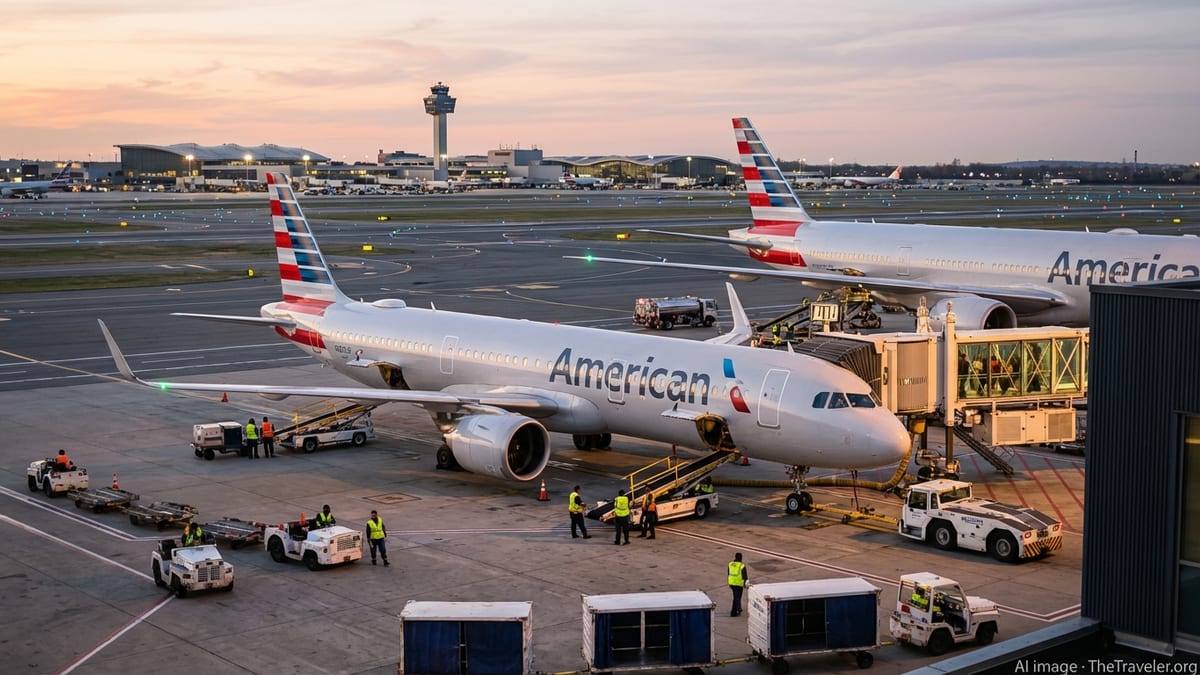
American Airlines, which began modernizing its transatlantic fleet earlier in the 2010s with Boeing 777 300ERs and 787s, is now layering in further cabin upgrades and incremental 787 deliveries. Publicly available information on its fleet plan shows a continued tilt toward fuel efficient twin engine jets, with additional 787 9s aimed at both core European hubs and seasonal leisure routes that have seen strong recovery since 2022, particularly from East Coast gateways.
Condor and Leisure Carriers Target Hybrid City and Nature Demand
Germany based leisure airline Condor is emerging as an important niche player in the transatlantic reshaping. The carrier is in the midst of introducing a full fleet of Airbus A330 900neo aircraft on long haul routes, a type selected for its lower fuel consumption and improved passenger comfort. Company statements over the past year confirm additional A330neo orders, supporting an expansion of long haul capacity and connecting services from German and other European cities.
Condor’s strategy is tightly aligned with the changing profile of international leisure travel. The A330neo fleet is being deployed on flights from German cities such as Frankfurt and Düsseldorf to classic sun destinations in North America and the Caribbean, while also feeding a growing network of European city destinations that act as gateways to hiking, cycling and coastal wilderness areas. The aircraft’s cabin, which includes a competitive Premium Economy section, is designed to appeal to travelers who are willing to pay for more space and comfort on long overnight sectors but still prioritize value.
Other transatlantic leisure and hybrid carriers have adopted similar approaches. Several operators that previously relied on older Boeing 767s or Airbus A330ceo aircraft are progressively replacing them with new generation widebodies where financially feasible, or by partnering with larger network airlines under joint venture and code share arrangements. For passengers, that often means that packages to national parks, fjords or volcanic landscapes now involve at least one leg on a modern, lower noise jet with upgraded seating and in flight entertainment.
Industry analysts note that this shift in the leisure segment is an important complement to the flagship renewals at Lufthansa, United, Delta and American. Together, they point toward a transatlantic market in which a higher proportion of both scheduled and package flights are operated by young fleets, creating new benchmarks for comfort on routes that historically were served with some of the oldest aircraft in the global system.
Urban Short Breaks and Wilderness Tourism Reset the Network Map
The rapid fleet renewal is unfolding against a backdrop of changing travel patterns. Research from tourism boards and booking platforms since 2023 shows a persistent rise in short haul and medium haul urban city breaks, often taken multiple times per year, combined with less frequent but higher value trips to nature destinations such as national parks, mountain regions and northern coastal areas. Europe’s historic cities and the great outdoors of North America, Iceland, Scandinavia and the Alps have been particular winners.
Transatlantic network plans published for recent summer and winter seasons reflect this evolution. Carriers have increased capacity to city break favorites such as London, Paris, Rome, Barcelona and Lisbon, while also adding or upgrading service to secondary cities like Naples, Porto, Reykjavik and smaller German and Scandinavian airports that connect quickly into hiking trails, ski resorts and coastal wilderness. Many of these routes are now operated by the latest generation of narrowbodies and widebodies, which offer airlines the range and economics to sustain year round or extended seasonal schedules.
On the North American side, European airlines are boosting service to cities such as Boston, Seattle, Denver and Vancouver, which serve as springboards for nearby national parks and outdoor recreation regions. At the same time, U.S. carriers have grown frequencies from their hubs to smaller European gateways that historically saw limited transatlantic service. The combination has created a denser web of options for travelers seeking to mix museum visits and dining with hiking, wildlife watching or aurora chasing within a single itinerary.
These shifts are mutually reinforcing with the new fleet strategies. Aircraft such as the A321XLR, A330neo, 787 and A350 provide the flexibility to right size capacity on emerging city pairs, while upgraded premium cabins help airlines capture higher yields from passengers treating long weekend trips or wilderness excursions as “mini vacations” worthy of a splurge on Business or Premium Economy.
Efficiency, Sustainability and Competitive Pressure Shape the Next Phase
Beneath the customer facing headlines, the move toward modern transatlantic fleets is also driven by cost and environmental considerations. New generation widebodies like the A350, 787 and A330neo typically offer double digit percentage improvements in fuel burn per seat compared with the aircraft they replace, which can materially lower operating costs on long overwater sectors. With fuel still one of the largest line items on an airline’s income statement, these savings are central to the business case for accelerated retirements and large order books.
The newer aircraft also support airlines’ public emissions reduction targets. Most major transatlantic carriers have pledged to reduce carbon intensity per passenger kilometer over the coming decade, combining fleet renewal with sustainable aviation fuel usage and operational efficiencies. While the absolute pace of decarbonization remains a subject of debate, the direction of travel is clear in the North Atlantic market, where competitive pressure makes it difficult for airlines to rely indefinitely on older, less efficient jets without risking both higher costs and reputational damage.
The simultaneous renewal at Lufthansa, United, Delta, American and Condor is therefore more than a cosmetic refresh of cabins. It marks a structural reset of the transatlantic marketplace, aligning aircraft capabilities with a demand profile centered on frequent urban getaways and aspirational nature focused trips. Over the next several years, travelers can expect to see more routes operated by quiet, twin engine aircraft with expanded premium seating, as legacy quad jets and early generation widebodies gradually disappear from schedules.
Exactly how the competitive balance will settle remains an open question, influenced by macroeconomic conditions, currency swings and geopolitical events. For now, however, the trajectory is clear. The Atlantic is becoming a proving ground for airlines’ newest fleets and cabin products, with Lufthansa’s Allegris equipped jets joining an already intense push by United, Delta, American and Condor to supercharge their offerings on one of the world’s most lucrative and strategically important corridors.