


More news on this day
Germany has joined France, the United Kingdom and Italy in issuing updated travel guidance as a two day strike by Lufthansa pilots disrupts air traffic across Europe, forcing widespread cancellations and schedule changes for global travelers transiting through the airline’s German hubs.
Get the latest news straight to your inbox!
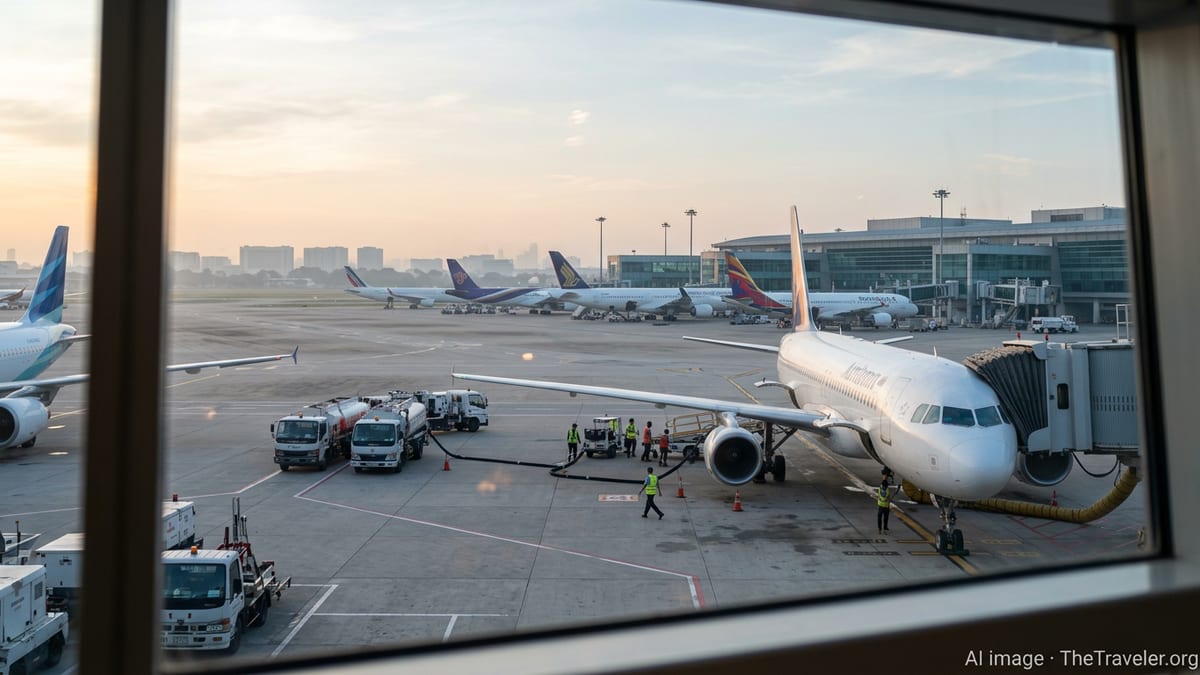
Two Day Walkout Hits Lufthansa’s Core Network
The latest strike by Lufthansa pilots began in the early hours of April 13 and is scheduled to run through late April 14, covering a 48 hour window at the heart of the airline’s spring schedule. The industrial action, organized by the Vereinigung Cockpit pilots’ union, affects Lufthansa’s mainline operations, its regional carrier CityLine and its cargo division. Reports indicate that the walkout follows a breakdown in talks over pay scales, pensions and working conditions.
Publicly available information shows that hundreds of flights have been canceled at Frankfurt and Munich, Lufthansa’s two primary hubs, with a knock on effect across Germany’s wider airport network. Coverage from multiple outlets notes that about half of long haul services and a significant share of short haul flights have been grounded, disrupting itineraries for passengers traveling between Europe, North America and Asia.
Operational adjustments announced by the airline include consolidating routes, deploying aircraft from other Lufthansa Group carriers where possible and selectively operating flights on key intercontinental corridors. However, observers point out that staffing constraints and the scale of the action mean that most affected passengers are facing rebookings, overnight delays or rerouting on partner airlines.
The pilot walkout comes just days after a separate strike by cabin crew led to mass cancellations, underscoring a tense labor environment that has already strained Lufthansa’s reliability in recent months. Industry analysts note that the back to back actions have amplified the impact on travelers who had already adjusted plans once this month.
Germany Aligns With France, UK and Italy on Travel Advisories
In response to the escalating disruption, Germany has updated its official travel information, joining France, the United Kingdom and Italy in flagging potential delays and cancellations for flights operated by Lufthansa and its group airlines. While the advisories stop short of warning against travel to Germany, they urge passengers to build in extra time, monitor bookings closely and be prepared for last minute changes.
Travel guidance from these European countries focuses on the role of Germany as a transit hub, particularly for long haul journeys to Asia, Africa and the Americas. Publicly available notices highlight that passengers connecting via Frankfurt or Munich are at higher risk of missed connections because feeder flights from neighboring states may be canceled even when departure airports in France, the UK or Italy are operating normally.
Updated information from national foreign ministries and aviation regulators in these countries emphasizes that travelers should not assume that flights departing outside Germany are unaffected. Many services from Paris, London, Milan and Rome rely on Lufthansa operated sectors or codeshares that route through German hubs, making itineraries vulnerable if a single leg is grounded.
Travel observers note that the coordinated tone of advisories across major European countries reflects a broader concern about the cumulative effect of strikes and staff shortages on the continent’s air travel network this year. The current action in Germany is being watched closely by tour operators and corporate travel managers who depend on Lufthansa’s extensive European feed to support long haul traffic.
Scale of Disruption for Global Passengers
Reports from aviation trackers and travel industry outlets indicate that hundreds of flights were canceled on April 13 alone, with similar levels expected through April 14. Frankfurt and Munich are bearing the brunt of the disruption, but knock on effects are being reported at airports across Germany, including Berlin, Hamburg, Düsseldorf and Hanover, where inbound and outbound services rely on aircraft and crews repositioned from the main hubs.
For international travelers, the most acute problems are arising on itineraries involving tight connections or complex routings. Flights linking Germany with key hubs in the United States, Canada and East Asia are seeing schedule changes, down-gauged aircraft or outright cancellations, leaving some passengers stranded in transit or forced to overnight in Germany while they wait for rebooked flights.
Travel industry coverage describes a patchwork of outcomes for affected passengers. Some travelers are being rebooked onto other Lufthansa Group airlines or Star Alliance partners at no additional cost, while others report long call center wait times and limited availability on popular routes. The situation is particularly challenging for families, tour groups and travelers heading to events or cruises with fixed departure dates.
Rail alternatives are absorbing part of the load on short haul routes within Germany and to neighboring countries. Public information from transport operators shows increased use of high speed trains between cities such as Frankfurt, Munich, Berlin and Paris as travelers seek to bypass canceled domestic and regional flights. However, capacity constraints and existing spring holiday demand mean that not all displaced passengers can be accommodated easily.
What Affected Travelers Should Do Now
For travelers with bookings on April 13 or 14, the immediate priority is to confirm the status of their flight using airline apps, booking portals or airport departure boards. Aviation advisories and airport updates stress that some schedules may appear active in reservation systems for several hours before ultimately being canceled or retimed, so frequent checks on the day of travel are recommended.
Published guidance from consumer organizations suggests that passengers should accept reasonable rebooking options offered by airlines or online agencies as soon as they appear, rather than waiting in hopes of a more convenient solution that may never materialize. In many cases, alternative routings through non German hubs such as Zurich, Vienna, Amsterdam, Madrid or Istanbul are proving more reliable during the strike period.
Travelers originating in the European Union, the United Kingdom or transiting through EU and UK airports are reminded that standard passenger rights rules apply when flights are canceled or significantly delayed because of a strike by airline employees. Under these regulations, passengers may be entitled to meals, hotel accommodation where an overnight stay becomes necessary, and rebooking or refunds under certain conditions. Local consumer agencies advise keeping all receipts and documenting communications with carriers to support later claims.
For those whose journeys are scheduled after April 14, experts recommend monitoring developments but avoiding hasty changes unless the airline proactively adjusts the itinerary. Although the current strike is time limited, labor negotiations remain unresolved, and further actions later in the season cannot be ruled out. Flexible tickets, comprehensive travel insurance and booking longer connection times are being highlighted as prudent strategies for trips involving German hubs.
Knock On Effects Across Europe’s Spring Travel Season
The Lufthansa pilot strike is unfolding during a busy spring travel period in Europe, a time when demand is already elevated by school holidays, early season city breaks and the build up to major cultural and sporting events. Recent labor actions among air traffic controllers and ground staff in France, as well as periodic disruptions at airports in the UK and Italy, have contributed to a sense of fragility across the region’s aviation system.
Analysts note that the cumulative effect of these events is to reduce the amount of slack in the network. When a major carrier such as Lufthansa reduces capacity suddenly for two days, there are fewer spare aircraft and crews available at other airlines to pick up stranded passengers. This dynamic is particularly visible on intra European routes where flight frequencies have not yet fully returned to pre pandemic levels.
Tour operators and large booking platforms are recalibrating recommendations as they assess the evolving situation. Some are advising clients with non essential travel to Germany during the strike window to consider rail or road alternatives, while long haul leisure travelers are being guided toward routings that use non German hubs until operations stabilize.
For business travelers and last minute bookers, higher fares on remaining seats are an emerging concern. Public fare data compiled by industry watchers shows price spikes on routes linking London, Paris, Milan and Rome with secondary European hubs as passengers seek alternatives to disrupted Lufthansa services. How quickly these pressures ease will depend on the speed with which normal operations resume once the pilots return to work and whether further industrial action follows.