


More news on this day
Some of Canada’s busiest airports are voicing growing alarm about a surge in fake, bot-driven travel sites that mimic official airport and airline brands, raising new concerns about consumer fraud and confusion as peak summer travel ramps up.
Get the latest news straight to your inbox!
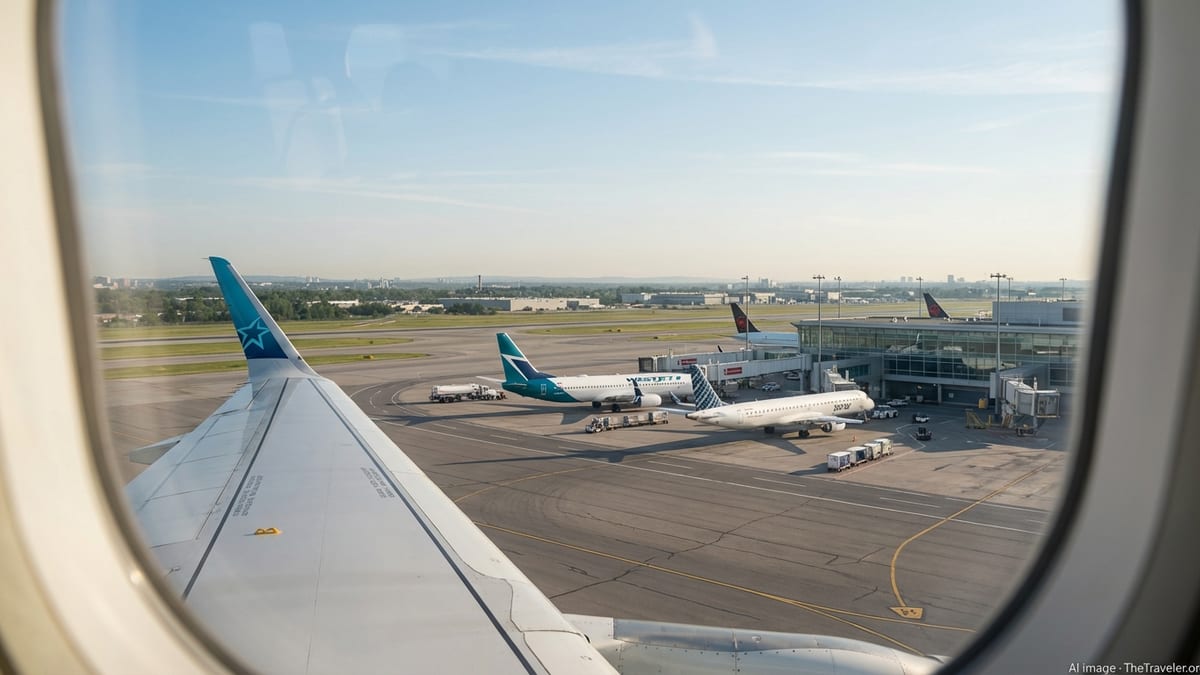
Pearson’s warning puts spotlight on AI-fuelled travel scams
Toronto Pearson International Airport has recently drawn attention to a wave of online content and commercial sites that appear legitimate but are actually generated or amplified by automated systems. Publicly available commentary from airport representatives and corporate materials describe cloned web pages, scraped articles and AI-written posts that reproduce branding cues and keywords to divert travellers away from trusted channels.
Reports indicate that these sites use polished, generic travel language and search-optimized headlines to appear near the top of online results for flight delays, airport disruptions and travel advisories. Travellers searching for timely information on security lines or weather-related cancellations can be funneled toward third-party platforms posing as news or customer-service resources while offering unrelated products, questionable “priority services” or misleading booking links.
The phenomenon is part of a broader trend in automated web content, where machine-generated articles and low-cost marketing networks are used to capture advertising revenue or sales leads. In the airport context, observers note that the stakes are higher because misleading information can affect time-sensitive decisions about itineraries, missed connections and consumer rights when travel goes wrong.
According to published coverage and industry commentary, Toronto Pearson’s concerns centre on two parallel risks: inaccurate or outdated operational details that frustrate passengers, and the possibility that fraudulent actors could use convincing copy and branding to harvest personal or payment data from unsuspecting travellers.
Montreal, Vancouver and Ottawa join call for vigilance
Following Pearson’s public criticism of deceptive web practices, attention has turned to other major Canadian gateways that confront similar challenges. Montreal-Trudeau, Vancouver International and Ottawa International airports collectively handle millions of passengers each year and already field questions from travellers who arrive confused about what services are officially provided on-site.
Publicly available information shows that these airports share many of the same vulnerabilities: heavily searched route information, complex transfer procedures, and frequent interest in security wait times and customs processing. Consumer-protection advisories in Quebec, for example, have recently pointed to misleading third-party ticket platforms and reservation sites that market “too good to be true” airfares, underscoring how quickly false or incomplete information can circulate in French and English markets.
According to media and government notices, travellers in British Columbia and Ontario are also being warned about fake travel packages and fraudulent booking offers tied to major events and peak holiday periods. In this environment, large airports such as Vancouver, Ottawa and Montreal have clear incentives to support calls for stricter scrutiny of online content purporting to represent airport services, parking, lounges or expedited security.
Industry observers suggest that alignment among the country’s busiest hubs may help press platforms, advertisers and regulators to pay closer attention to travel-related impersonation attempts, particularly when automated tools make it easier to clone logos, copy airport photos or fabricate “official” FAQs.
How fake and bot-driven sites target Canadian travellers
Travel technology analysts point out that fake or misleading sites often exploit common pain points in air travel. Search terms such as “airport delays today,” “customs line time,” “lost baggage help” or “cheap last-minute ticket” provide fertile ground for automated content systems that can rapidly spin up hundreds of pages tailored to trending queries.
Reports on digital fraud in Canada describe a growing ecosystem in which cloned sites mimic fonts, colours and phrasing used by well-known travel brands, while small discrepancies appear only in the web address or fine print. In some cases, users are redirected through multiple advertising or affiliate layers before reaching a final booking or payment page, obscuring who is actually selling the service.
According to consumer-protection guidance, these tactics can lead to several outcomes: hidden fees, higher-than-advertised fares, cancellation penalties that differ from airline rules, or outright non-delivery of tickets and hotel rooms. For airports, the reputational impact is significant when affected passengers arrive believing they purchased parking, fast-track security access or concierge assistance that the airport does not in fact operate.
Security agencies and anti-fraud centres in Canada have also warned that fake travel offers increasingly serve as a gateway to broader identity theft. Personal data provided in the course of “booking” may be reused for phishing emails, payment-card fraud or unauthorized account openings long after the initial purchase attempt.
Regulators and consumer agencies respond to rising risks
Canadian authorities have been increasing their messaging on deceptive marketing and online fraud as the number of digital travel transactions continues to grow. Recent advisories from federal competition and law-enforcement bodies urge people to scrutinize travel offers that appear through targeted ads, unsolicited messages or unfamiliar websites that resemble well-known brands.
Publicly accessible government releases highlight particular concerns around major sporting events and peak travel seasons, when demand for flights, accommodations and packages surges. Fraudsters, including those running bot-enhanced operations, are reported to take advantage of this demand by advertising non-existent tickets, fake rental listings and misleading “VIP experiences” that vanish once payment is made.
Consumer agencies in Quebec and other provinces recommend that purchasers verify whether a travel seller is properly registered and whether protections such as provincial compensation funds apply to the transaction. These bodies stress that buyers who used credit cards may, in some cases, be able to seek chargebacks when services are not provided as advertised, but only if sufficient documentation is retained.
Against this backdrop, Canadian airports’ warnings about imitation or misleading sites add another layer to a wider regulatory conversation about how automated systems, including generative AI tools, can be misused to scale up fraudulent or deceptive practices in the travel sector.
Practical steps for passengers using Canadian airports
Travel experts and consumer advocates are increasingly emphasizing a set of basic precautions for anyone planning trips through Toronto, Montreal, Vancouver, Ottawa or other busy hubs. One consistent piece of advice is to start with official channels when checking flight status, security wait times, parking availability or operational disruptions, and to treat third-party commentary as secondary.
Guidance published by Canadian consumer-protection offices suggests carefully reading web addresses and disclaimers before entering payment details. Slightly altered domain names, missing contact information, or an absence of clear refund and complaint procedures are cited as warning signs that a site may not be affiliated with an airport, airline or reputable travel agency.
Experts also recommend keeping records of all confirmations, screenshots and correspondence, particularly when dealing with unfamiliar platforms. Should a transaction turn out to be fraudulent or substantially different from what was advertised, this documentation can be important for engaging with credit-card issuers, provincial consumer agencies or the Canadian Anti-Fraud Centre.
As Canadian airports raise their voices about the misuse of their names and imagery by questionable online operators, travel industry watchers argue that digital literacy is becoming as essential to a smooth journey as valid documents and early arrival at the terminal. For passengers, understanding how bot-driven sites work and where they typically appear is emerging as an important form of travel preparedness.