


More news on this day
Great Western Railway passengers are facing significant disruption this weekend, with services across key routes between London, the Thames Valley and the West of England heavily affected and travellers urged to check journeys and travel earlier where possible.
Get the latest news straight to your inbox!
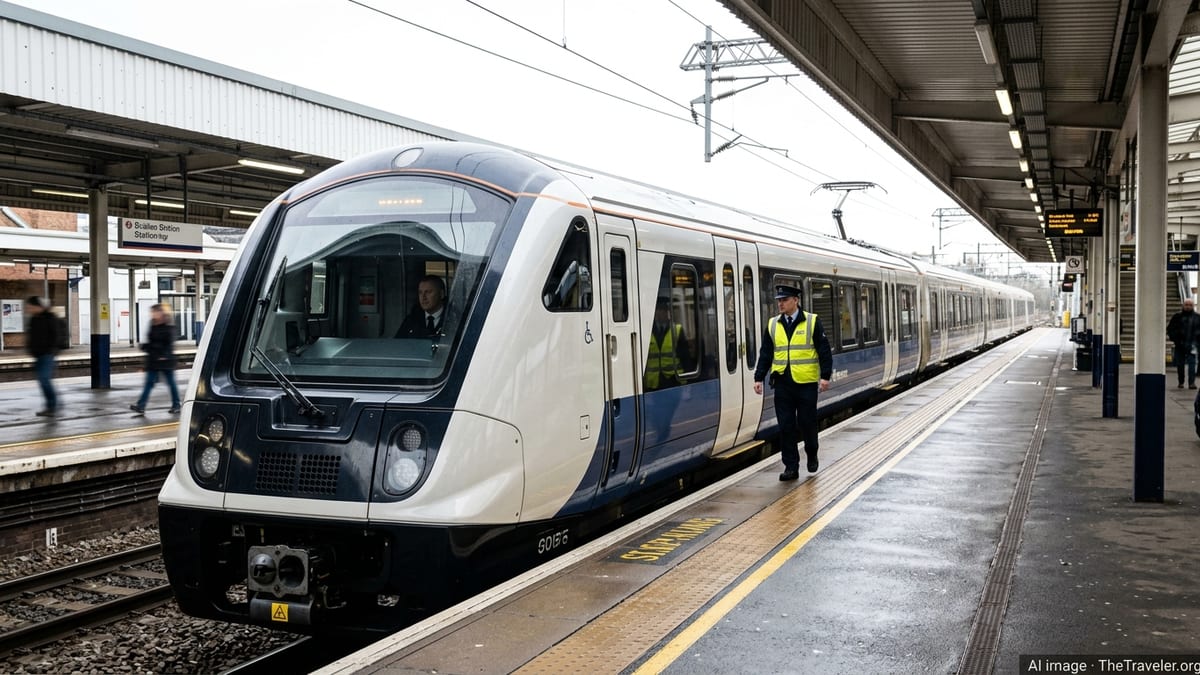
Severe disruption across core Great Western routes
Travel alerts from journey planners and rail information services show major disruption affecting Great Western Railway services between London Paddington and Bristol Temple Meads, as well as on connecting routes through Swindon toward Westbury, Frome, Castle Cary, Warminster, Salisbury and Weymouth. Reports indicate that disruption began in the days leading up to Sunday 6 September 2026 and has continued to affect timetables, with knock-on delays and short-notice alterations across the wider network.
Information published through regional journey planners highlights that passengers on these corridors are seeing a mix of cancellations, extended journey times and diversions. Key long-distance flows linking London with the South West and local stopping services in Wiltshire and Dorset are all listed as affected, with disruption notices referencing ongoing incidents and residual delays.
National rail information for the Pangbourne area on the Great Western Main Line also reports service problems on Sunday 6 September 2026, adding pressure on the already busy London to Thames Valley section. Publicly available disruption summaries advise customers to expect changes at short notice and to verify individual trains before travelling.
Combination of incidents and planned work creates difficult conditions
The current disruption sits on top of a busy programme of planned engineering work on the Great Western network. Great Western Railway’s own planned engineering pages outline extensive maintenance and upgrade projects running through late August and early September 2026, including work that affects services into and out of London and across parts of Berkshire and Surrey. These works have required replacement buses on some routes and ticket acceptance on other operators at certain times.
Where engineering is taking place, timetables have been amended in advance, but real-time travel pages stress that additional short-notice changes remain possible. Combined with separate, unplanned incidents such as infrastructure problems near Pangbourne, this has created challenging operating conditions and made journey times less predictable for passengers using London Paddington and key interchange stations such as Reading and Swindon.
Network Rail performance documents for the wider Wales and Western region, which includes much of the Great Western network, note that infrastructure faults such as signalling and track issues can lead to extended disruption while teams access the railway and undertake repairs. With a high volume of trains operating on the Great Western Main Line and limited slack in the timetable, relatively small problems can quickly have wide-ranging impacts across multiple GWR routes.
Advice for affected passengers and ticketing options
Great Western Railway’s live travel update pages advise passengers to check their journey on the day of travel using online journey planners or the operator’s real-time update tools. The guidance stresses that some services may be altered or cancelled at short notice and that travellers should, where possible, travel earlier in the day to reduce the risk of missing onward connections if delays build.
Publicly available advice also explains that, during disruption, tickets may be accepted on alternative routes or by other train operators in certain cases. GWR’s disruption and today’s-trains pages mention arrangements where customers can sometimes use South Western Railway services on specified stretches, such as via Basingstoke and Reading, when normal Great Western routes are affected. These easements vary depending on the incident, so passengers are urged to confirm current options before setting out.
Information on delay compensation indicates that customers whose journeys are significantly delayed may be eligible to claim under Great Western Railway’s delay repay scheme, typically from 15 minutes of delay onwards. Passengers are advised to retain tickets and, where relevant, receipts for additional costs such as refreshments if they plan to seek reimbursement through the operator’s customer service channels.
Impact on leisure travel and regional connectivity
The disruption is hitting a period when Great Western routes carry high levels of leisure and discretionary travel in addition to commuter flows. Network Rail performance reporting for the Wales and Western region highlights that, since the expansion of services on the Great Western Main Line and the growth in leisure demand, traffic levels remain relatively strong throughout the day rather than concentrating solely in weekday peaks. That pattern means that incidents can affect day-trippers, holidaymakers and weekend visitors as much as regular commuters.
With routes toward the South West, coastal destinations and key cities such as Bristol and Bath among those experiencing disruption, the reliability of connections is a particular concern for travellers making tight onward plans, such as hotel check-ins or event arrivals. Journey planners are currently advising longer interchange times and a more cautious approach to last-train assumptions while disruption continues to ripple through the timetable.
Local and regional planners also note that congestion on core lines can have follow-on effects for smaller branch routes served by Great Western Railway. Where main line trains are delayed or re-routed, connections into branch services may not always be held, potentially increasing waiting times at intermediate stations for passengers heading to more rural destinations.
How to stay informed during the disruption
Passengers are being encouraged, through publicly accessible guidance, to rely on real-time digital tools rather than printed timetables while the disruption continues. Great Western Railway’s travel updates hub provides links to live departure boards, today’s service summaries and disruption alerts, alongside information on planned engineering work and accessibility support.
National Rail’s service disruption pages offer incident-specific summaries, such as for the Pangbourne area, including estimated resolution times, ticket acceptance details and advice on alternative routes. These summaries are updated throughout the day as conditions change, and journey planner tools integrate the latest information into recommended itineraries.
Travellers planning journeys over the coming days are advised to check both the planned engineering calendars and same-day updates shortly before departure. For those making essential longer-distance journeys on affected Great Western Railway routes, building in extra time, considering earlier departures and being prepared for possible route changes remain key recommendations while disruption persists.
Great Western Railway real-time travel updates
Great Western Railway planned engineering work