


More news on this day
UAE-based carriers are navigating another wave of disruption as volcanic ash from Indonesia’s Anak Krakatau and ongoing regional security concerns prompt fresh delays and cancellations across Emirates, Etihad, Air Arabia and flydubai networks.
Get the latest news straight to your inbox!
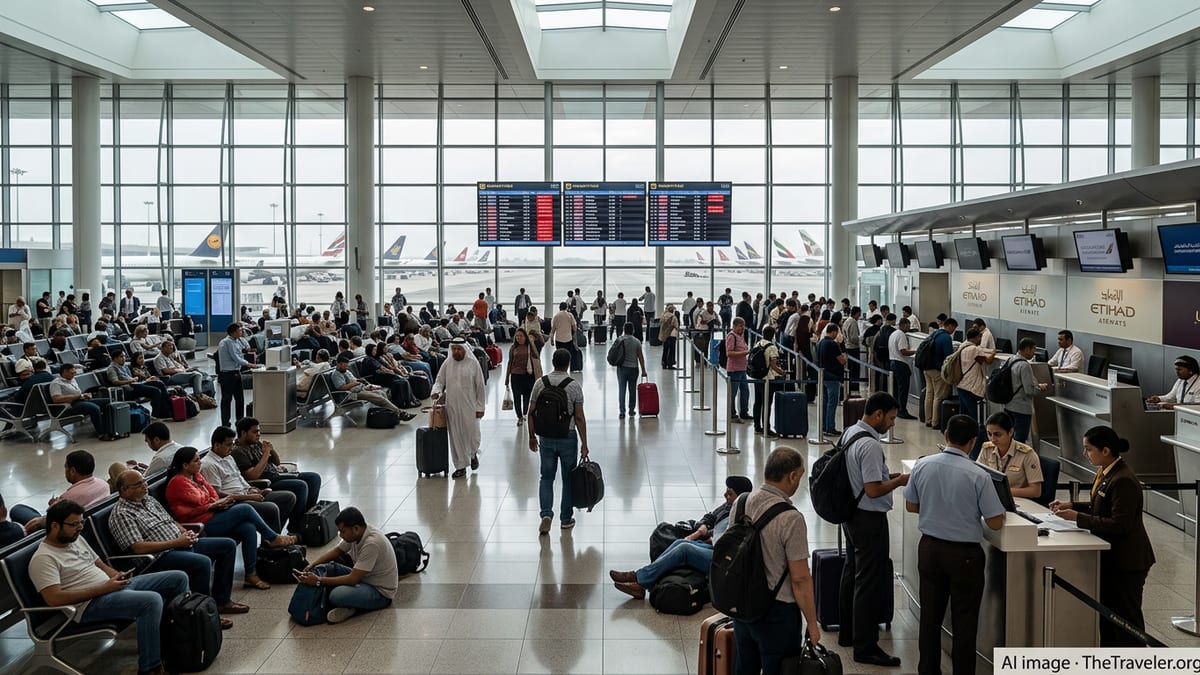
Indonesia volcanic ash closes Jakarta airport and disrupts UAE links
Indonesia’s Soekarno Hatta International Airport in Jakarta temporarily closed on 6 September after ash from the Anak Krakatau volcano drifted over key air corridors, halting most operations at the country’s busiest hub. Notices to air missions indicated the closure window ran from mid-afternoon local time as authorities assessed the safety impact of the ash plume.
Publicly available information from Indonesia’s transport ministry shows that the airport shutdown formed part of a wider response to the eruption, which also affected several other airports in western Indonesia. The precaution resulted in dozens of domestic and international cancellations, with knock-on delays expected to continue as airlines work through backlogs.
For UAE travellers, Jakarta’s closure immediately impacted long-haul connections between Southeast Asia, Dubai and Abu Dhabi. Passengers in transit through the Gulf and those originating in Indonesia faced last-minute schedule changes, extended layovers and challenges rebooking onward journeys during a busy late-summer travel period.
Travel advisories from Indonesian and international aviation authorities recommend that passengers with imminent departures to or from Jakarta and other affected airports monitor airline channels closely, as airspace assessments around the ash cloud continue and operational plans are updated on short notice.
Emirates adjusts Dubai–Jakarta flights and warns of knock-on delays
Emirates has issued an operational update confirming disruptions on its Dubai–Jakarta route following the closure of Soekarno Hatta. According to the airline’s help and support pages, at least one Jakarta-bound service from Dubai on 6 September has been cancelled and other rotations on 5 and 6 September are operating with significant delays as crews and aircraft are repositioned.
The carrier’s online disruption guidance explains that customers on affected flights are being rebooked on the next available services where possible, with options to manage bookings, request changes and review updated itineraries via its website and app. Travellers are advised to keep contact details current in their reservations so they receive schedule-change notifications before heading to the airport.
Emirates’ wider network remains largely intact, but operational data and regional coverage show that the airline has seen a series of recent delays and isolated cancellations into Dubai from Asia, the Middle East and Europe. These have been linked both to airspace restrictions over parts of the Gulf and congestion at major hubs as carriers reroute around sensitive areas.
Given Jakarta’s role as a major Southeast Asia gateway, the Dubai-based airline is expected to face residual disruption for several days, particularly for itineraries that rely on tight connection windows or involve multiple sectors linking Indonesia with Europe or North America through Dubai.
Etihad and Air Arabia monitor Indonesian operations amid regional strains
Abu Dhabi-based Etihad Airways also operates key services into Indonesia, including its Abu Dhabi–Jakarta flights. Tracking data indicates that at least one Jakarta-bound Etihad service on 6 September is operating later than scheduled as a result of the temporary airport shutdown and associated air-traffic flow measures.
Etihad’s booking channels continue to display scheduled services between Abu Dhabi and Indonesian destinations, but the airline is operating within a broader context of regional complexity. Separate reports over recent days highlight that Etihad has already been contending with delays on a range of routes from Abu Dhabi, as carriers across the Gulf respond to evolving security advisories and changing routings over parts of the Middle East.
Sharjah-based Air Arabia, which connects secondary cities across Asia and the Middle East with the UAE, is also part of the shifting picture. Recent travel advisories covering UAE airports show that selected Air Arabia services have experienced schedule changes in recent days, largely driven by congestion and airspace constraints rather than Indonesia-specific operational decisions.
For both Etihad and Air Arabia passengers, industry guidance points to the same approach now familiar to long-haul travellers: verify flight status repeatedly in the 24 hours before departure, build in additional buffer time for connections, and be prepared for rebooking in the event of extended ground holds or diversions.
flydubai and Dubai hub feel pressure from overlapping disruptions
Dubai’s second major carrier, flydubai, is also advising passengers to pay close attention to operational updates as conditions shift. The airline’s information pages urge travellers to review real-time flight status before leaving for the airport, as some services are being retimed in response to regional airspace advisories and capacity constraints at key hubs.
Recent coverage of UAE airport operations outlines how earlier delays at Dubai International and Abu Dhabi’s Zayed International have affected a wide range of flights in recent days, including services operated by flydubai to Central Asia, the Middle East and parts of Europe. While Indonesia-related ash disruption is focused on Jakarta and surrounding airspace, its timing compounds existing network pressures.
With both Emirates and flydubai operating extensive schedules out of Dubai, even modest tactical changes to routings or departure times can cascade across daily rotations. Aircraft and crew that arrive late from affected regions can force airlines to roll delays forward, sometimes turning a single disrupted leg into a multi-sector challenge across the network.
Passengers using Dubai as a connection point to or from Indonesia and neighboring markets may therefore see indirect impacts, even if their specific flight does not touch Indonesian airspace. Travel planners recommend factoring in longer connection windows where possible and keeping flexible arrangements for hotels and ground transport at the final destination.
What UAE-bound passengers from Indonesia should do next
For travellers currently in Indonesia and holding tickets on Emirates, Etihad, Air Arabia or flydubai, the most immediate priority is to verify whether their departure airport is open and whether their flight is listed as operating, delayed or cancelled. Airline websites, mobile apps and flight-status portals are being updated regularly as new assessments of the ash cloud are issued.
Emirates and other carriers publish specific disrupted-travel guidance that explains options when flights are significantly delayed or cancelled, including rebooking on alternative dates or requesting refunds where ticket conditions permit. These pages also outline how meal, hotel or transport arrangements may be handled in cases where passengers are stranded away from home or their final destination.
Travellers still planning journeys from the UAE to Indonesia in the coming days are being encouraged by publicly available advisories to consider flexible booking options. Purchasing itineraries that allow date changes without high penalties, and arranging comprehensive travel insurance that covers weather or natural-disaster disruption, can provide additional protection if ash-related restrictions persist or recur.
With regional security dynamics also influencing routings and timetables, industry analysts suggest that passengers accept a degree of uncertainty around exact departure and arrival times for flights linking the Gulf with parts of Asia. Monitoring conditions closely, staying in contact with airlines and travel agents, and maintaining flexible plans remain the most effective strategies for navigating this latest phase of disruption.
Emirates flight disruption and help centre
UAE travel advisory on delays and cancellations at Dubai and Abu Dhabi airports
Indonesia transport ministry update on Anak Krakatau eruption and airport closures