


More news on this day
Rail operations in southwest Atlanta faced significant disruption after a semi-truck collided with a Norfolk Southern freight train and caught fire, prompting the suspension of nearby MARTA and rail services and triggering major travel delays across the area.
Get the latest news straight to your inbox!
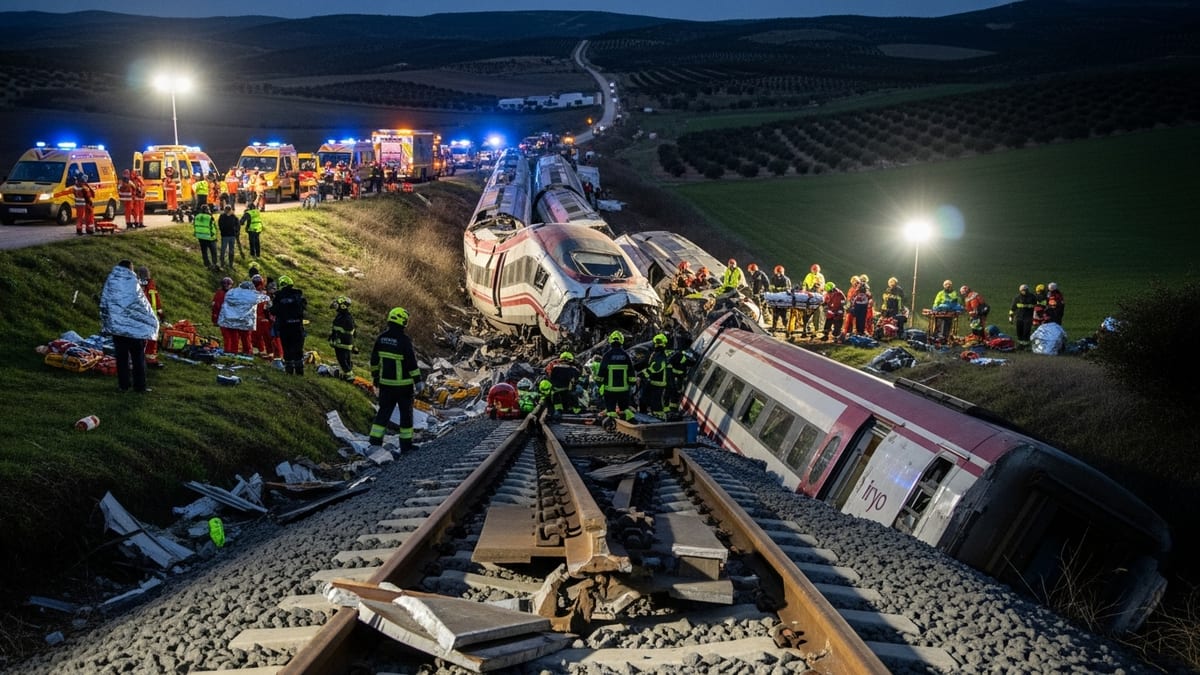
Collision and Fire in Southwest Atlanta
Published coverage indicates that the crash occurred at a rail crossing in southwest Atlanta where a semi-truck and a Norfolk Southern train came into contact, igniting a fire that sent thick smoke into the surrounding neighborhoods. Initial reports describe a chaotic scene as flames engulfed the truck and damaged portions of the train, with emergency crews working to contain the blaze and secure the area.
Publicly available information shows that the truck was positioned across the tracks at the time of the impact, though investigators have not yet released a full account of how the vehicle came to be in the train’s path. The force of the collision and subsequent fire led to concerns about potential hazardous materials, though early reports do not indicate any widespread chemical release.
The location of the incident in a busy transportation corridor heightened its impact. The affected rail line carries Norfolk Southern freight traffic through the Atlanta terminal area and runs parallel to key roadways and transit routes that serve southwest Atlanta communities.
MARTA and Norfolk Southern Services Temporarily Suspended
According to published coverage, the intensity of the fire and the need to examine track and signal equipment led to the suspension of train movements along the affected Norfolk Southern segment. Rail traffic was halted while inspectors assessed damage to the tracks, railcars, and surrounding infrastructure.
Reports indicate that MARTA, which relies on a mix of its own rights-of-way and shared rail corridors, temporarily suspended or rerouted service in the vicinity as a precaution. Publicly accessible service alerts pointed to disruptions for riders using southwest Atlanta connections, including delays and cancellations on routes that normally intersect or parallel the impacted freight line.
While MARTA’s heavy rail operations remained active on most of the system, published information shows that buses and connecting services in the southwest portion of the network were adjusted to keep passengers away from the active emergency zone. Riders were encouraged to allow extra time, prepare for platform crowding, and consider alternate stations where possible.
Traffic Impacts and Traveler Disruptions
The crash quickly evolved into a broader travel emergency for southwest Atlanta. Public reports describe multiple road closures around the crossing while firefighters worked to extinguish the blaze and rail personnel evaluated damaged equipment. Detours routed drivers onto neighborhood streets, increasing congestion in residential areas already coping with routine commuter traffic.
With Norfolk Southern freight operations halted in the immediate area, rail traffic backed up across parts of the Atlanta terminal network, which is a major hub for regional and national freight flows. Intermodal yards and connecting lines experienced delays, affecting cargo shipments that normally pass through the city on tight schedules.
Transit riders also faced uncertainty. According to service updates, MARTA passengers reported longer waits, missed connections, and crowded trains and buses on remaining routes as the agency attempted to shift capacity away from the incident zone. For visitors in town for summer events and World Cup–related activities, the disruption added a layer of complexity to trip planning across a network that is already operating near capacity.
Safety Review and Ongoing Investigation
Publicly available information shows that a multi-agency investigation is underway to determine what led to the semi-truck’s presence on the tracks and to evaluate whether signal systems, crossing protections, or driver actions played a role. Norfolk Southern’s recent safety record and a broader national focus on rail incidents have drawn additional attention to any collision involving freight trains and large commercial vehicles.
Investigators are expected to examine onboard event data, crossing warning equipment, and video from both the locomotive and nearby security cameras. Published coverage suggests that special attention will be given to whether the truck attempted to cross after warning devices were activated, whether the vehicle became stuck, or whether visibility or roadway design contributed to the crash.
The severity of the fire has also prompted a review of cargo documentation to confirm what the semi-truck was carrying and whether any hazardous materials were present either in the truck or among the railcars. Even in the absence of a major spill, incidents of this kind often lead to renewed discussions about routing, speed limits near crossings, and emergency response protocols in dense urban areas.
What Travelers Should Expect Next
As cleanup operations continue, publicly accessible updates suggest that rail and transit agencies are working toward a phased restoration of service. Track inspections, replacement of damaged components, and clearance of debris must be completed before full Norfolk Southern operations can resume through the affected corridor.
MARTA riders can expect rolling adjustments to schedules and routing in southwest Atlanta as the agency coordinates with freight rail partners and local officials. According to recent service advisories, riders are encouraged to monitor real-time alerts, build in extra transfer time, and be prepared for short-notice changes as rail lines are reopened segment by segment.
For road travelers, intermittent lane closures around the site are likely until repair work on crossing surfaces and nearby utilities is completed. Commercial drivers using southwest Atlanta freight routes may encounter detours or temporary restrictions designed to keep heavy vehicles away from crews working along the tracks.
For visitors and residents alike, the collision underscores the interconnected nature of Atlanta’s transportation networks, where an incident at a single at-grade crossing can ripple across freight, transit, and highway systems. As investigators work to clarify the chain of events, discussions about long-term safety upgrades, grade separation projects, and improved coordination between trucking, rail, and transit operators are expected to intensify.