


More news on this day
A Metro Green Line train derailment near College Park, Maryland on Saturday led to the evacuation of 11 passengers from the disabled train, with three people evaluated for potential heat-related symptoms as regional temperatures climbed into the 90s.
Get the latest news straight to your inbox!
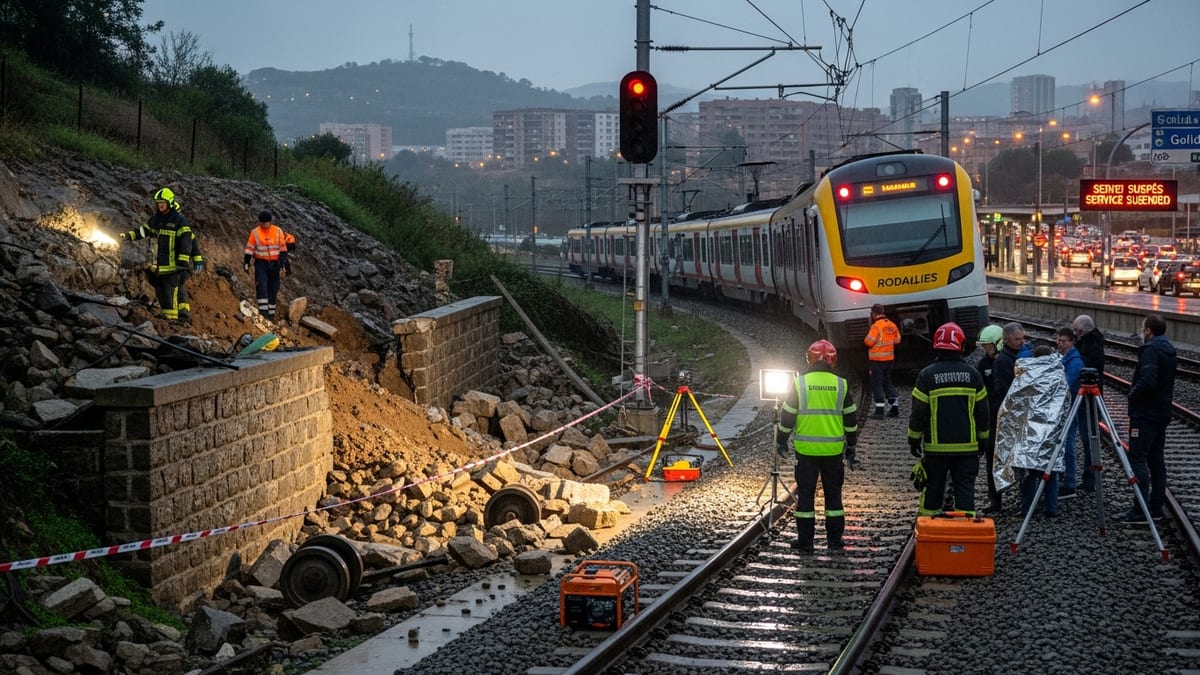
Train Derails Approaching College Park Station
Reports indicate that the incident occurred late Saturday morning as a Greenbelt-bound train approached the College Park station on the Washington Metropolitan Area Transit Authority’s Green Line in Prince George’s County, Maryland. Early accounts from riders and local transit observers describe a jolt followed by the train coming to a stop short of the platform.
Preliminary information shared through public transit alert channels and rider reports suggests that at least one car left the tracks while the train was still moving toward the station. There were no immediate indications of a collision with another train or track equipment, and there were no reports of serious trauma injuries among those on board.
Metro personnel halted rail traffic in the area while the affected train was secured and inspected. Power to the third rail was reportedly cut so that responders and technical teams could reach the derailed cars and begin assessing damage to the train and track infrastructure.
While a detailed technical explanation has not yet been released, online discussion among transit advocates and riders focused on the condition of the track and the potential role of prolonged hot weather, which can place added stress on rail infrastructure.
Passengers Evacuated, Heat-Related Symptoms Reported
According to publicly available information, there were 11 passengers aboard the derailed train when it came to a stop. All were led off the train after power was cut and the scene was declared safe for evacuation. The group was then moved to a safe location away from the tracks so they could be evaluated.
Local transit incident summaries and rider accounts indicate that three people were checked for possible heat-related symptoms following the evacuation. The region has been experiencing a stretch of high summer temperatures, and images and descriptions shared on social media suggest that conditions inside the train and during the trackside evacuation were warm and uncomfortable.
There were no immediate reports of life-threatening injuries. People evaluated for heat-related concerns were described in early reports as being treated for relatively mild symptoms such as dizziness, fatigue, or overheating. No deaths or critical conditions were reported in connection with the derailment.
Emergency crews and Metro staff remained on site for several hours, conducting medical assessments, coordinating alternative transportation for passengers, and beginning the process of moving the derailed train to a yard facility for detailed inspection.
Service Disruptions Ripple Across Green Line
The derailment near College Park quickly affected service across a key stretch of the Green Line, a corridor heavily used by commuters, students, and visitors traveling between Prince George’s County and central Washington. Early advisories circulated by Metro-focused outlets and rider groups described trains single-tracking and bypassing the immediate incident zone while crews investigated the damage.
Passengers reported being held on trains north and south of College Park while dispatchers adjusted operations and established safe speeds through the affected area. Some trains were turned back before reaching the station, while others were routed to share a single track, significantly increasing travel times.
Shuttle buses and alternative transit routes were recommended by local travel-information services for riders heading to and from College Park, Greenbelt, and nearby stations. The disruption created notable delays for people traveling to weekend events and for those connecting between regional rail and Metro services at College Park.
Travelers planning to use the Green Line through the remainder of the weekend were advised by transit-information outlets to build in extra time, monitor service alerts frequently, and be prepared for changes to normal train patterns while repairs and inspections continued.
Heat, Infrastructure and an Ongoing Safety Conversation
The incident unfolded against the backdrop of ongoing concerns about how extreme heat affects rail systems. Published coverage and past safety reports for Washington’s Metro system have documented instances where high temperatures contributed to rail expansion, track issues, and, in rare cases, derailments.
Transit observers note that when temperatures remain high for consecutive days, steel rails can expand and place additional stresses on fasteners and track beds. Agencies across the country sometimes impose heat-related speed restrictions to reduce the risk of track deformation and to allow operators more time to react to unexpected conditions.
In Maryland, state transit alerts in recent summers have described reduced speeds on certain rail lines on particularly hot days. While there is no official confirmation yet on whether heat directly contributed to the College Park derailment, the fact that multiple passengers were evaluated for heat-related symptoms highlights how extreme temperatures can compound the impact of any disruption.
Safety watchdogs and passenger advocates frequently call for more robust inspection programs, faster implementation of infrastructure upgrades, and improved real-time communication with riders when technical problems occur. The latest incident is likely to feed into that broader discussion about long-term investment in track maintenance, monitoring technology, and climate resilience.
What Travelers Should Know in the Aftermath
For travelers in the Washington region, the derailment serves as a reminder of how quickly a localized incident can cascade into broader delays across a transit network. People heading to airports, universities, or regional rail connections often rely on the Green Line for time-sensitive trips, and even a minor derailment can disrupt those plans.
Publicly available travel-advisory resources encourage riders to check multiple sources before and during their journey, including official service alerts, local news outlets, and widely used transit apps. When severe heat is in the forecast, experts also recommend carrying water, allowing extra time for delays, and considering backup routes, especially when traveling with children, older adults, or anyone sensitive to high temperatures.
For now, attention will remain on the investigation into the cause of the College Park derailment and on the timeline for full restoration of normal Green Line service. The episode will likely be closely watched by riders across the system who are looking for evidence that lessons from recent safety reviews are being applied to current operations.
As the Washington region moves deeper into the summer travel season, the combination of aging infrastructure, heavier ridership, and rising temperatures is expected to remain a central topic in conversations about how to keep both locals and visitors moving safely around the nation’s capital.