


More news on this day
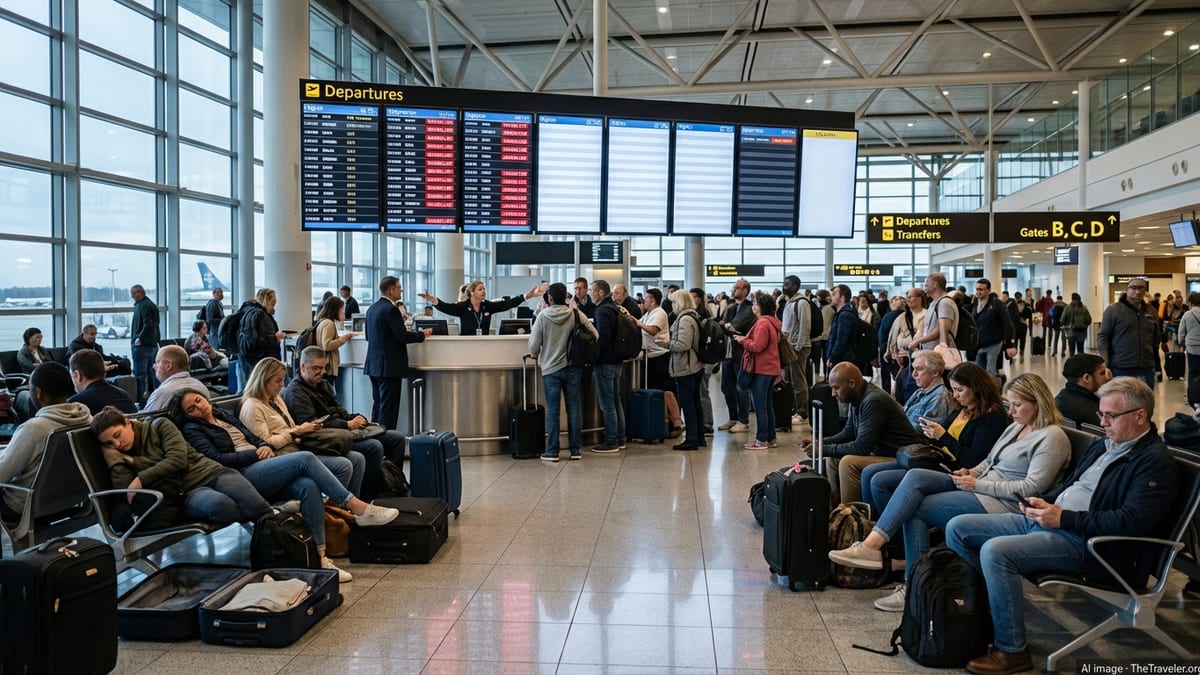
New Zealand’s Ministry of Foreign Affairs and Trade (MFAT) is urging travellers to prepare for possible airspace closures and major disruption to flights transiting the Middle East, as conflict in the region continues to affect key international routes between Australasia, Europe and beyond.
Get the latest news straight to your inbox!
Heightened travel warnings across a volatile region
Updated MFAT advisories highlight a deteriorating security picture across parts of the Middle East, with conflict involving Israel, Iran, the United States and regional armed groups contributing to a higher risk environment for civil aviation. Publicly available travel advice indicates that several countries in the region are now subject to elevated warnings, including “do not travel” guidance in some cases, due to the threat of further military action and unpredictable escalation.
The ministry’s travel guidance stresses that travellers may be affected even if they are only transiting through regional hubs rather than entering the destination country. This reflects broader concern that long-haul flights connecting New Zealand and Australia with Europe, the United Kingdom and parts of Africa remain exposed to sudden changes in airspace availability, airport operations and security procedures.
Recent government papers and market reports also point to the broader impact of the Middle East conflict on fuel supplies and trade routes, which in turn can influence airline scheduling and operating costs. While scheduled passenger services continue on many routes, MFAT’s message is that conditions can change at short notice, and travellers should closely monitor official advice before and during their journeys.
Airspace restrictions and knock-on effects for long-haul flights
International aviation regulators and national authorities have issued a series of recommendations and restrictions on flights over parts of the Middle East, especially where there is a risk from missile activity or military operations. Recent guidance from European regulators, for example, advises carriers to avoid the airspace of Iran, Iraq, Lebanon and sections of the Gulf region for specified periods, leading to significant rerouting of traffic between Europe and Asia.
The closure or partial closure of key airspace corridors and hub airports can trigger large-scale disruption. Past episodes of Middle East airspace shutdown have seen thousands of flights cancelled or diverted, with aircraft forced to take longer routes that add hours to flight times and increase fuel burn. Insurance sector advisories referencing MFAT guidance note that even travellers heading to destinations far from the conflict area may face cancellations, missed connections and extended layovers because their itineraries rely on transits through affected hubs.
Airlines operating between New Zealand or Australia and Europe typically route aircraft through major Gulf or near-Gulf hubs. When those hubs or overflight corridors become constrained, carriers must consider alternative routings via Asia or North America, often reducing capacity or adjusting schedules along the way. MFAT’s warning that airspace closures are possible is a signal that such large-scale operational changes could occur with limited advance notice.
Implications for travellers: delays, costs and insurance gaps
For passengers, the most immediate consequence of airspace closures or new restrictions is uncertainty. Public commentary from travel insurers and consumer forums indicates that some travellers have already experienced short-notice cancellations or rebookings on Middle East routings, while others report extended diversions that lengthen journeys by many hours.
Travel insurance documents released in recent months show that war and conflict-related events are frequently excluded from standard cover. Several insurers drawing on MFAT advisories specify that claims arising from travellers ignoring “do not travel” guidance, or directly from acts of war and hostilities, may not be covered. This creates a particular risk for itineraries that rely on transits through countries subject to higher-level warnings, even if the final destination lies elsewhere.
According to publicly available information from New Zealand-based insurers, passengers caught by conflict-driven closures may find that additional accommodation, meals and replacement ticket costs fall partly or wholly on them, depending on policy wording. MFAT’s strengthened warnings therefore have a dual purpose: alerting New Zealanders to safety risks and signalling that travel plans and financial protections may not operate as they would in more stable conditions.
Government and industry responses to a shifting risk landscape
New Zealand government documents outlining responses to the Middle East conflict and associated fuel and trade disruptions describe a wider, all-of-government focus on maintaining supply chains and managing security risks. Briefing titles released under open government processes reference work on fuel security, regional diplomacy and contingency planning, indicating that aviation and maritime routes through the Middle East are a continuing concern for policymakers.
At the same time, industry responses from airlines, airports and insurers demonstrate ongoing efforts to adapt to the volatile environment. Carriers are using alternative routings where possible, coordinating with international aviation bodies and closely tracking notices to air missions. Insurers are issuing detailed travel advisories that reference MFAT alerts, explaining how coverage may change as the situation evolves.
International partners are also reassessing their exposure. Foreign ministries in Europe and elsewhere have updated their own Middle East travel guidance, citing the seriousness of the regional security situation and echoing advice to avoid certain airspace. This convergence of government and industry messaging has reinforced the signal that travellers should treat Middle East routings with heightened caution for the foreseeable future.
Practical steps for New Zealanders with upcoming trips
For New Zealanders with tickets booked through Middle East hubs, MFAT’s updated warnings underline the importance of preparation and flexibility. Publicly accessible guidance encourages travellers to register their details on official consular platforms so that they can receive alerts about changing advice for countries they are visiting or transiting.
Consumer-facing advisories suggest that travellers review their itineraries to see whether flights overfly or transit countries currently the subject of heightened security warnings, and to discuss options with airlines or agents. In some cases, re-routing via alternative hubs may reduce exposure to potential closures, though it can involve higher fares, limited availability and longer travel times.
Published insurance material also recommends checking policy wording carefully before departure, paying particular attention to exclusions related to war, terrorism and government travel advisories. Where gaps are identified, travellers may consider adjusting plans, purchasing additional cover if available, or accepting a higher level of financial risk.
With MFAT explicitly warning that airspace closures in the Middle East are a realistic possibility, New Zealanders planning long-haul travel over the coming months are being advised, through public channels, to stay informed, build contingency time into their journeys and remain ready for last-minute changes to routes and schedules.