


More news on this day
A fresh wave of turmoil in the Middle East is rippling through global aviation, as a jet fuel supply crunch drives up costs, forces flight cancellations and threatens to derail peak travel plans from Asia to North America.
Get the latest news straight to your inbox!
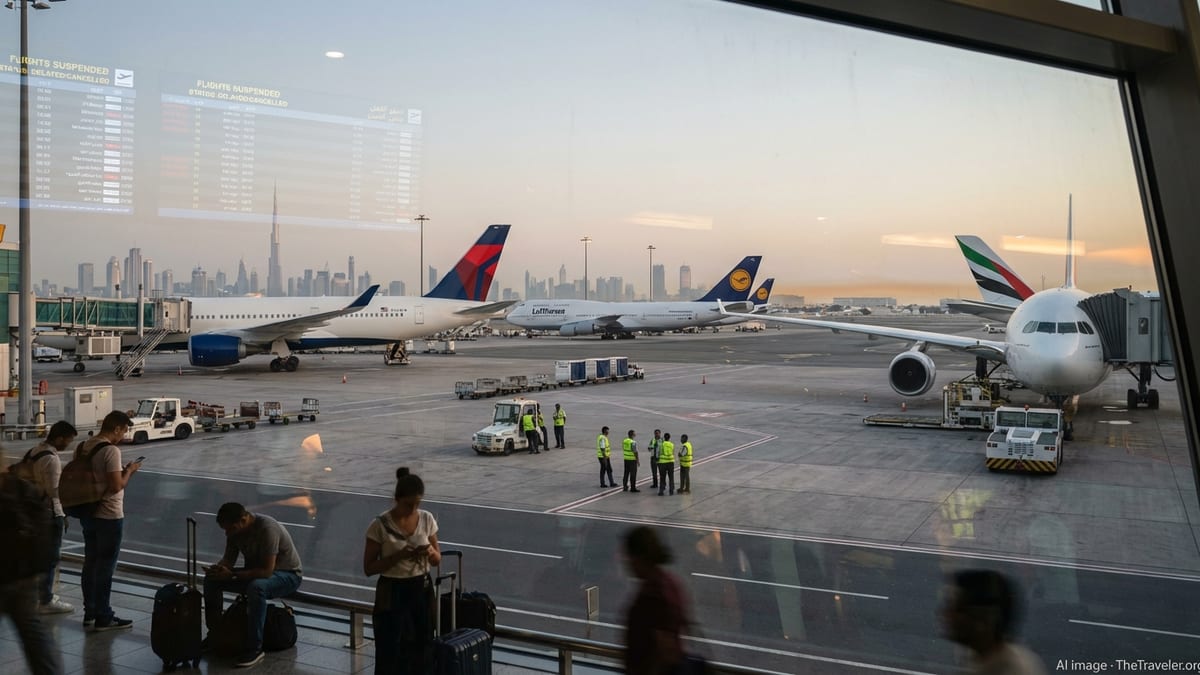
Jet Fuel Prices Double as War Hits Energy Chokepoints
The latest conflict centred on Iran is rapidly reshaping global energy flows, with air travel among the first sectors to feel the pain. Market analysis indicates that jet fuel prices have climbed to roughly double the levels seen just a few months ago, reaching between about 150 and 200 dollars per barrel in early April. In some key hubs, industry data shows pump prices near 4.25 to 4.90 dollars per gallon, straining airline balance sheets that had been built on far cheaper fuel.
The surge is rooted in a series of attacks and disruptions to Gulf energy infrastructure and shipping routes, including strikes on major Iranian oil and gas sites and intermittent constraints on tanker movements through the Strait of Hormuz. Research from energy and aviation consultancies indicates that more than 10 million barrels per day of liquids supply has been removed or threatened, turning jet fuel into one of the most volatile refined products on the market.
According to figures cited by global aviation bodies, the average worldwide jet fuel benchmark has jumped from around 99 dollars per barrel at the end of February, when the latest phase of the Iran war escalated, to more than 200 dollars per barrel in early April. Airlines had already sold millions of tickets for spring and early summer travel based on lower cost assumptions, leaving them scrambling to protect margins through emergency surcharges and capacity cuts.
Economists warn that the timing could not be worse for an industry still rebuilding from the pandemic downturn. Fuel typically represents close to 40 percent of an airline’s operating expenses, and the abrupt spike is being described in industry commentary as a structural shock rather than a short-lived blip.
Airlines Retreat from Middle East Hubs and Reroute Global Networks
As fuel costs soar, airspace closures and security concerns around the Gulf are compounding the pressure. Several major Middle East airports that normally function as global connectors between Europe, Africa and Asia have faced temporary shutdowns or severe disruption, forcing airlines to reroute long-haul services around the conflict zone.
Tracking data and published coverage show aircraft diverting north over Turkey, the Caucasus and Central Asia, or south via Egypt and the Arabian Sea, to avoid Iranian and Iraqi skies. These detours can add 45 to 90 minutes to a typical Europe to Gulf or Europe to South Asia flight, increasing fuel burn by an estimated 10 to 15 percent per sector. Consultants suggest that, once higher fuel prices are factored in, total operating costs on some long-haul routes are rising by three to eight percent almost overnight.
Some carriers are choosing to retreat entirely from vulnerable markets. Recent schedules indicate that Hong Kong based Cathay Pacific has extended the suspension of passenger services to Dubai and Riyadh until at least the end of June, while low cost affiliate HK Express is preparing to cancel several percent of its planned flights from mid May. Other Asian and European airlines are trimming frequencies into the Gulf region and redeploying widebody aircraft onto alternative corridors where demand remains strong and routing is less exposed to the conflict.
Gulf based airlines, which normally rely on their hubs as east west transfer points, face a particularly sharp challenge. Capacity reductions from these carriers are removing a significant share of daily international seats between Europe and Asia, leading to what analysts describe as a structural reshaping of global traffic flows in favour of non Middle East gateways.
Asia Pacific Travelers Hit by Cancellations and Soaring Fares
The Asia Pacific region is emerging as one of the hardest hit by the jet fuel shock. Reporting from regional outlets indicates that jet fuel shortages and surging prices are already forcing cancellations across several markets, and that disruption could intensify as governments tighten control over crude shipments linked to Iran.
In South and Southeast Asia, national carriers such as Pakistan International Airlines have begun scaling back services to destinations including Beijing, Kuala Lumpur and various Middle East cities, explicitly citing unaffordable fuel bills. In South Korea, local media reports point to rolling cancellations stretching into May as airlines struggle to secure sufficient supplies at economically viable prices.
On key long haul routes linking Asia and Europe, available capacity has tightened dramatically. Industry data shared by travel trackers shows economy class tickets on some Hong Kong to London flights priced at more than four times typical levels for the same week later in the month, with near term departures sold out in the cheapest cabins. Analysts attribute the spike to the combined effect of higher fuel costs, rerouting around closed airspace and the sudden loss of capacity from Gulf based carriers.
Consumer advocates in the region warn that the squeeze will fall disproportionately on price sensitive travelers, including migrant workers and students who rely on lower fare options through Middle East hubs. With alternative routings via Northeast Asia or Central Asia often costing 10 to 20 percent more and adding hours to total journey time, many are being forced to delay or abandon travel plans altogether.
US and European Carriers Pass Costs to Passengers
While airlines based in North America and parts of Europe have limited direct exposure to Middle East routes, they are far from insulated from the fuel shock. Carriers across both regions are moving quickly to recoup higher costs through fare increases and a new round of ancillary fees that effectively raise the price of flying for most passengers.
Newly released inflation data tracked by travel industry publications shows that airfares in major markets rose noticeably in March as airlines adjusted pricing to reflect the surge in jet fuel. Some Scandinavian and continental European carriers have publicly linked recent ticket price hikes to jet fuel benchmarks that have reached their highest levels since 2022, following supply disruptions tied to the Iran conflict.
In the United States, several big airlines have introduced higher baggage charges and reworked their fare structures. Delta Air Lines, United Airlines, JetBlue and Southwest have all announced increases to checked bag fees in recent days, explicitly pointing to higher operating costs and jet fuel volatility as a backdrop. At the same time, at least one major US carrier is extending a so called pay for what you want model into premium cabins, turning perks such as advance seat selection and flexible tickets into add ons rather than standard inclusions.
Financial research from banks and brokers suggests that the immediate profit squeeze will be felt most acutely over the next one to three months, as airlines operate flights that were booked when fuel prices were far lower. Over the medium term, carriers are expected to lean even more heavily on dynamic pricing algorithms, surcharges and capacity discipline to keep margins intact, solidifying a new higher cost baseline for consumers.
Temporary Ceasefire Offers Only Fragile Relief
There are early signs that diplomacy could provide limited breathing space, but analysts caution against expectations of a swift return to normality. A recently announced ceasefire arrangement between the United States and Iran has been accompanied by moves to partially reopen the Strait of Hormuz to commercial shipping, prompting a short lived rally in European airline stocks and a modest pullback in some jet fuel benchmarks.
However, market commentary stresses that the agreement is both time limited and fragile, with the risk of renewed disruptions remaining high. Energy strategists note that storage levels for jet fuel in key European hubs were already trending lower ahead of the latest crisis, meaning that any fresh interruption to Gulf shipments could quickly reignite shortages and price spikes.
For airlines and travelers planning for the busy northern summer season, this uncertainty is creating a complex risk calculus. Carriers are weighing whether to restore capacity on vulnerable corridors or wait for more durable signs of stability, while corporate travel managers and holidaymakers alike confront the possibility of further fare hikes and last minute schedule changes.
Industry observers argue that the current shock may accelerate longer running debates about fuel hedging, diversification of supply and the slow pivot toward sustainable aviation fuels, which remain far more expensive and account for only a small fraction of global consumption. Until those structural issues are addressed, the latest conflict driven spike in jet fuel prices is likely to serve as a stark reminder of how exposed modern air travel remains to geopolitical fault lines in the Middle East.