


More news on this day
Major hub airports linking Europe, Turkey and the Middle East are wrestling with a fresh surge of flight delays, with Istanbul emerging as a focal point in a region still contending with tight airspace restrictions and volatile demand patterns.
Get the latest news straight to your inbox!
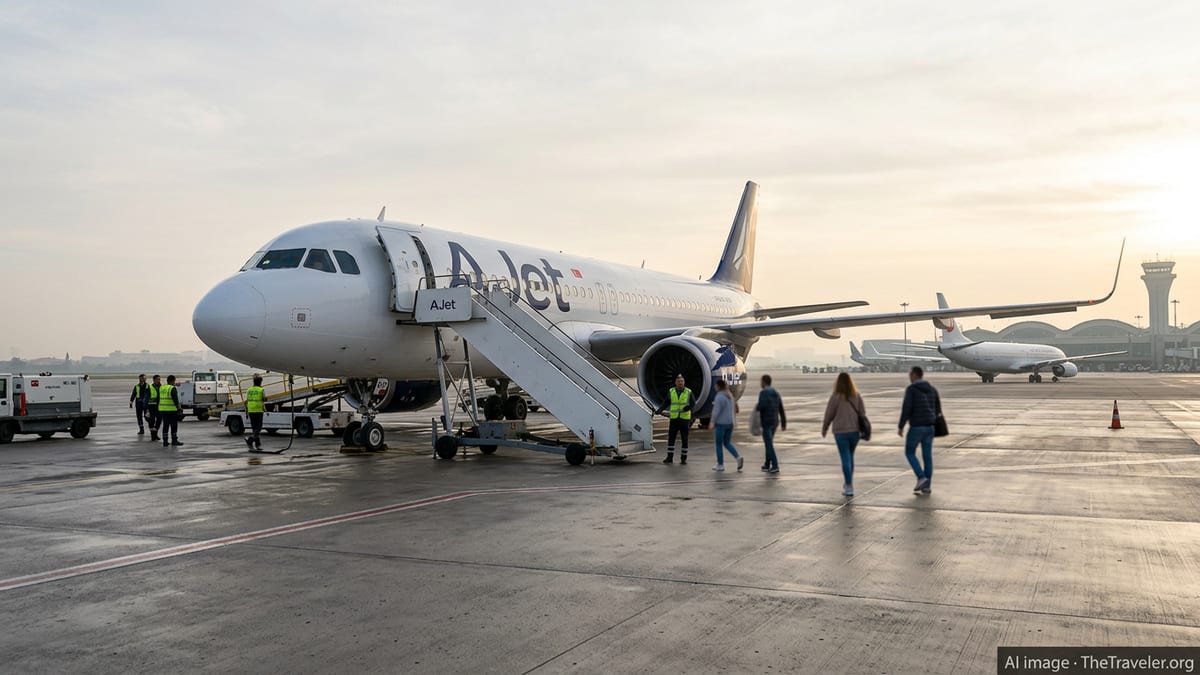
Istanbul Emerges as Epicenter of Latest Disruption
Data compiled from airport disruption tools and delay trackers in recent days indicates that Istanbul’s main airport has accounted for a significant share of regional flight delays, while still handling high volumes of traffic as the summer peak draws to a close. One analysis of a current disruption window counted more than 1,100 delays across five major hubs, with Istanbul responsible for a substantial portion of the total and several of the associated cancellations.
Publicly available status boards for Istanbul Airport continue to show the hub as operational, with most services departing and arriving, but pockets of longer-than-normal delays are evident on routes linking Turkey with the Gulf, the eastern Mediterranean and parts of Europe. Individual flight trackers for Turkish Airlines services through Istanbul on August 29 and August 30 list multiple departures as delayed, reflecting the cumulative impact of reroutings and schedule adjustments.
Secondary Turkish airports that play a growing role in regional connectivity, including Istanbul Sabiha Gökçen, Antalya and Izmir, are also appearing more frequently in disruption overviews. These facilities act as pressure valves for the main hub, but current patterns suggest that when Istanbul encounters prolonged congestion, knock-on effects spread quickly across the wider Turkish network and into connecting Middle East services.
Middle East Airspace Limits Continue to Distort Schedules
Recent disruption summaries point to ongoing Middle East airspace restrictions as a central factor behind the latest wave of delays affecting flights routed through Turkey and nearby hubs. A disruption overview published on August 25 estimated that almost 3,500 flights touching Europe and Türkiye had been affected since March by altered routings and temporary closures in regional skies, with Istanbul, Istanbul Sabiha Gökçen, Antalya, Izmir and several Gulf hubs cited among the most exposed airports.
Earlier assessments of the crisis period in late winter and early spring described widespread constraints on traffic over Iraq, Iran, Kuwait and parts of the Gulf, forcing airlines to add distance, fuel burn and time to many east–west itineraries. Technical documentation published in March outlined how multiple Gulf-area airspaces shifted to limited or suspended operations for passenger and cargo traffic, creating recurring bottlenecks for carriers that rely heavily on Middle East corridors to bridge Europe, Asia and Africa.
European aviation trend reporting underscores the structural importance of Istanbul in this context. Pre-crisis traffic data showed Istanbul Airport as Europe’s busiest hub and the single most connected gateway to the Middle East, with close to 100 daily flights to the region, far ahead of other European airports. That dense connectivity means any constraint in Middle East skies can quickly cascade into Istanbul’s operations, amplifying delay counts even when the airport itself remains physically open and its local weather is stable.
Gulf Hubs See Ripple Effects but Remain Largely Stable
While Istanbul sits at the center of the current delay wave, Gulf hubs such as Dubai, Abu Dhabi and Doha continue to register a mix of cancellations and schedule changes linked to the broader regional environment. Travel advisories and airline updates collated in recent weeks highlight temporary suspensions or reductions on select routes, particularly to and from Bahrain, Kuwait and parts of Saudi Arabia, as carriers respond to evolving security assessments and airspace permissions.
Regional aviation coverage indicates that Dubai International Airport, one of the world’s busiest hubs, has seen a measurable drop in passengers during the second quarter of 2026 compared with pre-crisis expectations, as travelers re-evaluate routings that traverse sensitive areas. At the same time, live-board snapshots and operational summaries for late August show Dubai handling the majority of long-haul services with only modest delays, suggesting that the airport’s core intercontinental bank structure remains intact despite intermittent strain on short and medium-haul links.
Separate reporting on the wider conflict period earlier in the year documented extensive cancellations and curtailed operations across Gulf hubs at the height of the airspace closures. Those accounts described daily flight totals at key airports falling sharply in early March before gradually rebuilding in subsequent weeks. Against that backdrop, the current pattern of localized delays and route-specific suspensions appears less severe, yet still sufficient to disrupt carefully timed connections for passengers transiting through the region.
Passenger Impact: Missed Connections and Longer Journey Times
For travelers, the practical consequences of the latest disruption cycle are being felt most acutely in missed connections, extended journey times and shorter-notice schedule changes. Passenger reports on public forums in mid and late August describe experiences of tight connections unraveling at Istanbul when inbound flights from Europe or North America land late, leaving limited options for same-day onward travel to secondary regional destinations.
Consumer-facing disruption trackers note that when multiple banks of Istanbul departures run behind schedule, rebooking pressures can mount quickly, especially on leisure-heavy routes to coastal Turkish cities and holiday markets around the eastern Mediterranean. Similar patterns have been observed periodically at Gulf hubs, where small clusters of cancellations or extended delays on short-haul services can create queues at transfer desks during peak connection waves.
Analyses published by passenger-rights platforms emphasize that even relatively modest additional flight times caused by detours around restricted airspace can upset tightly calibrated hub schedules. When compounded by isolated local issues such as labor actions or weather disturbances at outstations, these changes increase the likelihood that connecting passengers will face re-routings or overnight stops that were not part of their original itineraries.
What Airlines and Travelers Are Doing Now
Publicly accessible airline advisories and schedule updates suggest carriers are continuing to refine routings and flight timings in response to the evolving situation. Some Middle East and European airlines have trimmed frequencies on select regional routes, while others have shifted departure times to create more resilience in connection windows at their main hubs. Network restoration announcements, including resumed double-daily services on certain Gulf routes earlier in the summer, highlight a cautious effort to rebuild capacity where conditions allow.
Travel guidance circulated through regional media encourages passengers with itineraries touching Istanbul or major Gulf hubs to monitor bookings closely in the days leading up to departure. Travelers are being advised to allow more generous self-connecting times when booking multi-ticket journeys, particularly on itineraries that rely on a single daily flight to smaller regional airports, where rebooking alternatives can be limited.
Independent disruption analyses recommend that passengers retain flexibility where possible, including the option to adjust dates by a day or two to avoid periods with the heaviest recorded delays. For those already en route, digital tools such as airline apps and third-party trackers remain essential to staying informed about shifting departure times and gate changes across Istanbul and the wider Middle East hub network.
https://www.thetraveler.org/middle-east-hubs-face-fresh-wave-of-delays-centered-on-istanbul/
https://www.eurocontrol.int/sites/default/files/2026-03/eurocontrol-aviation-trends-issue-11.pdf