


More news on this day
Several major governments have begun to ease some of the most restrictive travel warnings covering parts of the Middle East, but publicly available advisories and security analyses show that conflict legacies, localized violence and airspace disruption continue to pose significant risks for international visitors.
Get the latest news straight to your inbox!
Advisories Shift From Blanket Bans to Targeted Warnings
Recent updates from multiple government travel advisory systems indicate a gradual move away from regionwide, blanket discouragement of travel toward more nuanced, country and even city-specific guidance. The United States continues to use its four-tier advisory scale, but some destinations that were previously at the highest levels are now categorized with more differentiated messaging, distinguishing between areas where tourism is restarting and zones where travel remains strongly discouraged.
Information published on the U.S. State Department advisory portal in spring 2026 shows that several Middle Eastern destinations are now classified under mid-range levels, such as “reconsider travel” or “exercise increased caution,” rather than universal “do not travel” notices. Jordan, for example, is currently subject to a mid-level advisory that highlights terrorism and regional instability, while still acknowledging that many visits are completed without incident.
Similar recalibration is visible in European government guidance. The United Kingdom’s Foreign, Commonwealth and Development Office recently adjusted its advice for Israel and the Palestinian territories, no longer advising against all travel to the entire area but maintaining strict warnings for Gaza, parts of the West Bank, northern Israel and the occupied Golan Heights. For potential visitors, this marks a technical easing of restrictions, yet the persistence of extensive no-go zones underlines how fragile the situation remains.
Security consultancies that track regional risk have also begun to describe a patchwork landscape rather than a uniformly high-threat environment, pointing to relatively stable conditions in some Gulf hubs while noting enduring volatility in conflict-affected states. This broader pattern reinforces the idea that while headline advisories may be softening in places, the underlying security picture is still complex and uneven.
Conflict Legacies and Ceasefires Keep Risk Elevated
The easing of some warnings has been made possible in part by developments such as localized ceasefires and lulls in active fighting, but the legacy of recent conflicts continues to weigh heavily on risk assessments. Coverage of the 2026 Iran war, including wide-scale evacuations and airspace closures, highlights how quickly conditions can deteriorate across multiple borders when hostilities intensify, stranding travelers and disrupting commercial aviation.
A cessation of hostilities between Israel and armed groups in Lebanon announced in mid-April 2026 is one example of the kind of limited calm that encourages some governments to downgrade the broadest restrictions. Yet publicly available travel advice for Lebanon still points to ongoing airstrikes and periodic clashes in the south, together with warnings against travel near the border areas and around certain military positions. The result is that any improvement remains conditional and subject to rapid reversal.
In parallel, long-standing high-risk ratings remain in place for several countries. Official advisories continue to classify destinations such as Iran, Iraq and Yemen at the most severe levels, reflecting concerns about armed conflict, terrorist activity, kidnapping and restrictions on consular access. Even in states where the overall advisory level has eased slightly, sub-regional notes often caution against travel to particular provinces or border regions where security forces and armed groups remain in active confrontation.
This combination of localized de-escalation and persistent flashpoints means that, for most travelers, the risk is not eliminated but redistributed. Journeys that might once have been considered straightforward city breaks now demand a closer reading of neighborhood-level guidance, as well as contingency planning in case ceasefires falter or regional tensions flare again.
Airspace, Aviation and Insurance Still Reflect Caution
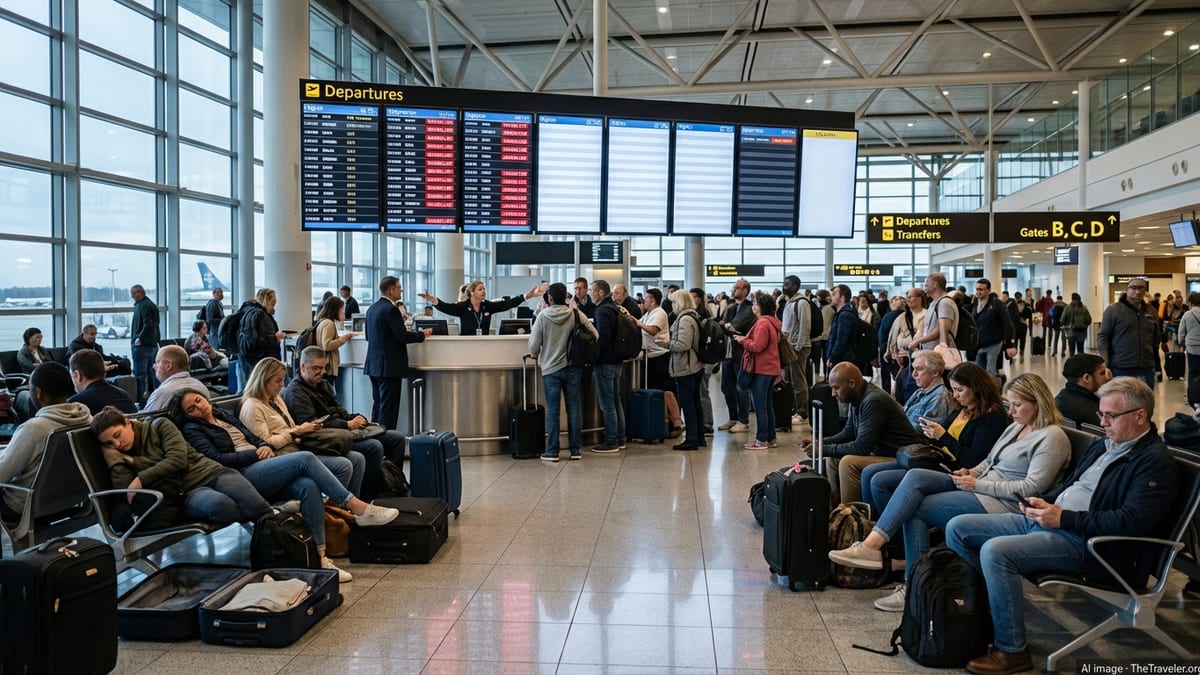
Beyond the political and security headlines, the practical infrastructure of travel in the Middle East continues to signal caution. Aviation industry reporting following the 2026 spike in regional tensions describes a period of rerouted flights, temporary airport closures and altered air corridors around conflict zones, particularly near Iran and neighboring states. While many routes have since been restored, airlines and regulators still adjust flight paths around sensitive areas.
Risk bulletins issued in late March 2026 by private security firms highlight enhanced security measures around airports and critical infrastructure in parts of the Gulf and Levant, even where day-to-day life appears relatively normal. Travelers may encounter increased screening, visible military or police presence and occasional disruptions linked to security incidents, all of which feed into the cautious tone of current advisories.
Travel insurance underwriters also remain conservative. Industry summaries indicate that many policies continue to exclude cover for destinations under the highest-level advisories or require special approval and surcharges for trips into certain states or regions. In practical terms, this can limit the ability of leisure travelers to visit even where tourism boards are eager to revive visitor numbers, and it adds an extra layer of due diligence for business travelers considering essential journeys.
Collectively, these aviation and insurance signals act as a counterweight to any optimism created by downgrades in headline warnings. Even in places where tourism marketing is restarting, operational actors often behave as if the situation could tighten again with minimal notice, reinforcing the message that risk is contained rather than resolved.
Tourism Recovery Begins, But With a New Playbook
Within this constrained environment, several Middle Eastern destinations are attempting a careful restart of tourism. Gulf hubs that were not directly affected by recent fighting have been positioning themselves as safe transit points and city-break options, supported by advisories that classify them at moderate risk levels. Reports from regional tourism boards and industry bodies point to the gradual return of international conferences, sporting events and leisure travel, though volumes often remain below pre-crisis norms.
Elsewhere, countries with historically strong cultural and religious tourism appeal are experimenting with phased reopenings and focused marketing campaigns. Public information from these destinations often emphasizes security measures around key sites, partnerships with international tour operators, and flexible booking policies designed to reassure hesitant travelers who remember the widespread flight cancellations and evacuations earlier in the year.
Travel trade associations have issued guidance encouraging agents and tour planners to treat the Middle East as a series of micro-markets, rather than a single block. According to industry advisories, this involves mapping itineraries around current government guidance, maintaining close communication with local partners, and building in backup routes and date changes in case of sudden shifts in the security picture. For many operators, the region is once again on the table, but only with this more granular, risk-aware approach.
For independent travelers, the emerging playbook is similar: monitor official advisories regularly, pay attention to local curfews or protest activity, and consider registering with consular alert systems where available. While such steps were once niche, they are increasingly framed as standard preparation for trips to parts of the Middle East.
What Downgrades Mean for Travelers Right Now
For prospective visitors, the recent softening of some travel warnings offers both opportunity and complexity. On one hand, the easing of blanket “do not travel” notices opens the door for postponed trips, family visits and business travel that had been on hold. Some popular cities are again presented as accessible, particularly when combined with strong on-the-ground security arrangements and functioning air links.
On the other hand, the persistence of nationwide high-risk ratings in several countries, combined with localized restrictions and the broader context of regional tension, means travel planners must treat official downgrades as a starting point rather than a green light. Publicly available guidance consistently stresses the importance of situational awareness, contingency planning and a clear understanding of what consular assistance is realistically available if conditions deteriorate.
The net effect is that Middle East travel in mid-2026 occupies a middle ground between crisis and normality. Advisories have moved away from some of the most sweeping prohibitions introduced at the height of recent conflicts, yet they remain far from endorsing carefree tourism across the region. For now, the message to travelers is nuanced: some doors are opening, but they lead into a landscape where risk has changed shape, not disappeared.