


More news on this day
Travelers moving through Minneapolis–St. Paul International Airport on June 5 are facing significant disruption, as publicly available data shows 69 delayed flights and six cancellations affecting Delta Air Lines, United Airlines and regional partner SkyWest across a wide network of routes.
Get the latest news straight to your inbox!
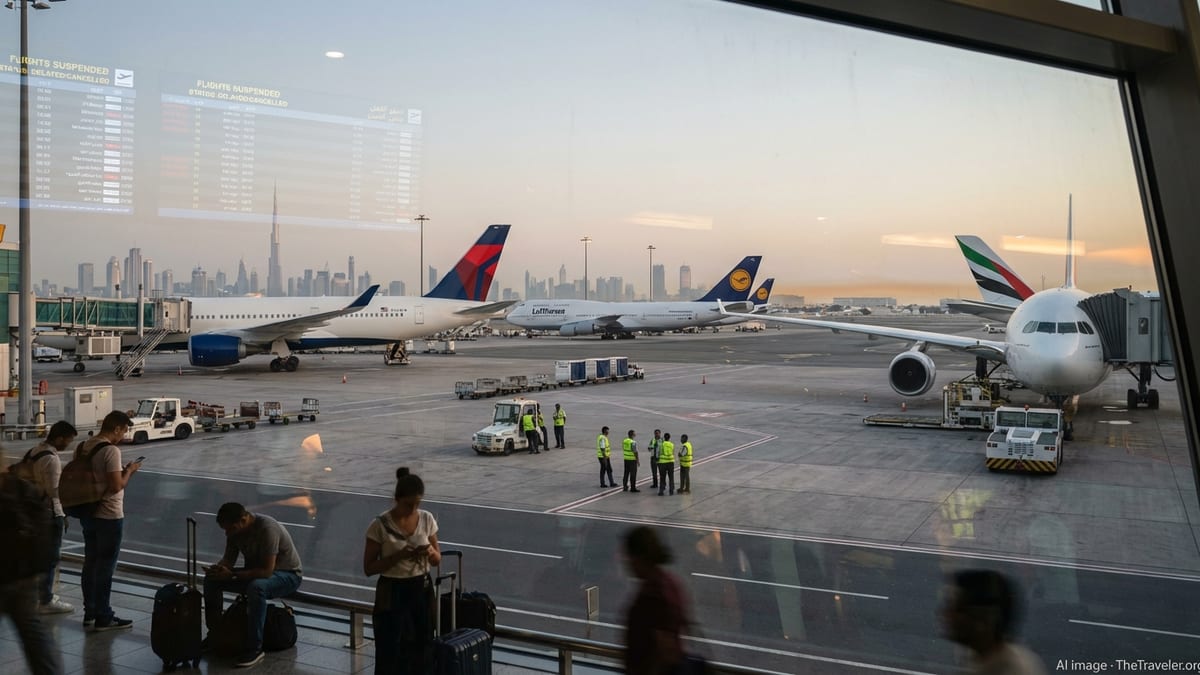
Hub Operations Strained Across Major Carriers
The latest disruption underscores the vulnerability of hub operations at Minneapolis–St. Paul, a key connecting point for Delta and an important station for United and SkyWest-operated regional services. While the total numbers fall short of historic weather-related meltdowns seen in recent years, the combination of 69 delays and six outright cancellations has been enough to ripple across the schedule and frustrate passengers on busy Friday itineraries.
According to flight-tracking dashboards and airline status pages, delays are concentrated on short and medium haul routes that feed larger hubs and regional destinations. These include a mix of mainline and regional jets operating under the Delta Connection and United Express brands, many of them flown by SkyWest crews. The pattern points to knock-on effects in aircraft and crew availability once the first wave of delays took hold.
Published information indicates that while some flights are still managing to depart close to schedule, a significant share have been pushed back by 45 minutes or more. A portion of the affected services are arriving late into Minneapolis, forcing later departures to slip as ground crews work to turn aircraft amid compressed turnaround windows.
Although six cancellations may appear modest in isolation, their impact is magnified on a hub day when many passengers are relying on tight connection windows. With several of those canceled flights linked to regional operations, travelers bound for smaller Midwestern and Great Plains cities are facing the most limited rebooking options.
Delta, United and SkyWest Routes Bear the Brunt
Delta, the dominant carrier at Minneapolis–St. Paul, is absorbing a large share of today’s schedule disruption. Publicly accessible flight boards show both domestic and transatlantic services experiencing departure and arrival delays, with regional Delta Connection flights particularly exposed when aircraft and crews are not in the right place at the right time.
United Airlines, which depends on Minneapolis–St. Paul as a spoke into its own hubs, is likewise contending with knock-on delays. SkyWest, operating flights for both Delta and United, sits at the center of many of these interruptions. When regional aircraft are delayed or canceled, it creates gaps in the feeder network that can cascade through evening bank schedules and reduce the number of viable connection options for travelers.
The disruption is not confined to a single direction of travel. Flights from Minneapolis to major business and leisure markets, along with inbound services feeding the hub, are all represented among the 69 delayed operations. Routes to and from Chicago, Denver, Toronto and other high-traffic nodes are experiencing shifting departure times, complicating onward connections for passengers heading deeper into each carrier’s network.
Rebooking pathways vary widely, depending on a traveler’s final destination and fare type. With a busy Friday load and limited spare capacity on peak-time flights, many affected passengers appear to be pushed to later evening departures or, in the case of the six cancellations, to itineraries on alternate days.
Weather, Congestion and Network Knock-on Effects
While real-time federal aviation dashboards have not flagged a prolonged ground stop for Minneapolis–St. Paul, a combination of localized weather and airspace congestion is contributing to slower operations. Wind and visibility constraints can prompt spacing requirements that reduce the number of arrivals and departures per hour, even when the airport remains officially open and functioning.
Published air-traffic information for the Upper Midwest shows that chokepoints at neighboring hubs often cascade into Minneapolis. When upstream airports experience volume-related delays, inbound flights arrive late, forcing ground crews and gate agents to compress work that is normally spread out more evenly across the day. The result is a rolling delay pattern that often takes several banks of flights to unwind.
Operational experts point out that modern hub-and-spoke networks are particularly sensitive to even moderate disturbances. Once a single wave of flights is significantly delayed, aircraft rotations and crew duty limits can trigger a chain of subsequent schedule changes. Today’s six cancellations at Minneapolis–St. Paul appear consistent with attempts to reset the operation by trimming the most difficult legs to operate within crew-legal time windows.
Regional partners such as SkyWest typically operate with tighter aircraft and crew utilization plans than larger mainline fleets, making them especially prone to ripple effects when the first few departures of the day go off schedule. That dynamic is visible in today’s pattern, where regional routes are disproportionately represented among the disrupted flights.
Passenger Experience: Crowded Gates and Tight Connections
For travelers, the statistical picture of 69 delays and six cancellations translates into long lines at service desks, crowded gate areas and anxiety over missed connections. Reports from social channels and traveler forums describe rolling departure-time changes, repeated gate reassignment and extended waits for updated information.
Families connecting through Minneapolis–St. Paul on the way to weekend vacations, as well as business travelers trying to return home, are among those feeling the strain. Longer dwell times in the terminal mean increased pressure on seating, charging outlets and concessions as passengers settle in for waits that can stretch from an hour to much of the day.
Some passengers appear to be turning to same-day alternative routings via other hubs when possible, especially on itineraries involving United and its partners. Others are opting to remain overnight in the Twin Cities when missed connections make same-day arrival at their final destination unrealistic. Hotels near the airport are likely to see elevated last-minute demand as the disruptions work through the evening schedule.
Consumer advocates frequently recommend that travelers monitor their flight status directly through airline apps, which tend to update more quickly than overhead displays, and to explore self-service rebooking options as soon as a significant delay appears likely. On a day with network-wide pressure such as this, early action can improve the odds of securing one of the limited remaining seats on unaffected departures.
What Today’s Disruptions Mean for Upcoming Travel
While conditions at Minneapolis–St. Paul can change quickly, the cumulative impact of today’s delays and cancellations is likely to echo into the weekend. Aircraft and crews displaced by late arrivals on June 5 may begin Saturday out of position, forcing airlines to make tactical schedule adjustments to rebuild reliability.
Travel-planning experts note that Minneapolis–St. Paul, as a major Upper Midwest hub, often serves as a bellwether for regional performance. A day marked by dozens of delays and multiple cancellations can provide an early indication that carriers are operating close to the limits of available capacity, leaving less room to absorb weather or air-traffic disruptions elsewhere in the network.
For passengers with upcoming itineraries through the airport, checking flight status early and often remains essential, particularly for morning departures that rely on aircraft arriving late the previous night. Publicly available aviation data suggests that, once a hub has worked through its backlog, operations can normalize within a day, but that timeline depends heavily on weather stability and the absence of new air-traffic control constraints.
As today’s disruption at Minneapolis–St. Paul illustrates, even a mid-sized wave of delays and cancellations can feel like a paralysis to travelers caught in the middle of it, especially when it strikes at the start of a busy summer travel weekend.