


More news on this day
A minor train derailment in Morgan County, Tennessee, is drawing renewed attention to rail safety near popular outdoor areas, coming only weeks after a separate crash in the county spilled large quantities of alcohol products into the environment.
Get the latest news straight to your inbox!
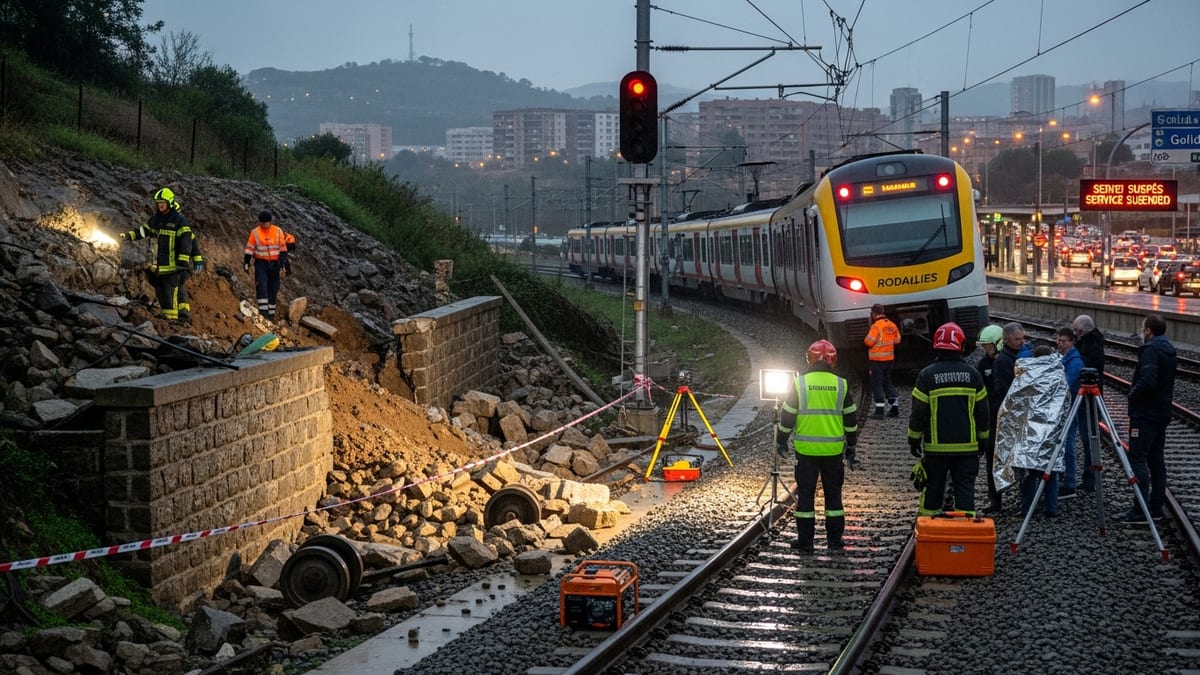
Small Oakdale Incident Raises Big Questions
Publicly available information indicates that a freight train engine partially left the track in the Oakdale area of Morgan County on Friday, July 3, without overturning. Reports from regional outlets describe the event as a minor derailment involving a single locomotive unit, with no railcars leaving the track.
Local coverage notes that the incident occurred near 9 p.m., a time when freight traffic remains active through Morgan County’s wooded river valleys. The engine reportedly stayed upright, allowing rail crews to stabilize the equipment and limit disruption to nearby roadways and communities.
No injuries were reported in connection with the Oakdale derailment, and there were no immediate impacts to nearby homes or local businesses. Rail operations through this rural section of Tennessee form a key link between industrial hubs and distribution centers across the Southeast, making any incident, however small, a matter of regional interest.
Industry guidance generally treats even a single wheel leaving the steel rail as a derailment, which helps explain why this event, though limited in scope, appears in official tallies and safety discussions. For residents who remember larger incidents in the region, the terminology reinforces how narrow the margin for error can be along busy freight corridors.
No Spill Reported After Engine Leaves Track
According to broadcast and radio reports, the Friday derailment in Oakdale did not result in any hazardous materials release. The engine remained intact, and no tank or freight cars were reported off the rails, sharply reducing the risk of fire, chemical exposure, or damage to nearby streams.
Information shared through local radio stations indicates that rail personnel and county responders confirmed there were no visible leaks from the locomotive and no sign of cargo escaping from the train. That assessment allowed surrounding roads and neighborhoods to avoid evacuations or extended closures, a contrast to more serious derailments elsewhere in the country.
Environmental agencies typically focus on containment and downstream monitoring when trains carrying fuels or industrial products derail. In this case, the lack of a spill meant that follow-up efforts centered more on track inspection and equipment recovery than on water or soil remediation.
For travelers and outdoor enthusiasts heading into Morgan County’s backroads, the quick resolution of the incident limited disruptions. Reports indicate that rail and road traffic in the Oakdale area resumed under controlled conditions after the line was inspected and cleared.
Weeks After Major Alcohol Spill Near Emory River
The modest scale of the Oakdale derailment has nonetheless attracted attention because it came only weeks after a separate, far larger crash elsewhere in Morgan County involving a Norfolk Southern freight train and tank cars of alcohol-based products. That earlier incident, near the community of Lancing, released more than 100,000 gallons of denatured ethanol and related materials, according to summaries from federal safety investigators.
Published coverage of the Lancing derailment describes flames, breached tank cars, and an extended environmental response focused on protecting the Emory River and nearby watersheds. The route is a gateway to hiking, paddling, and camping areas that draw visitors from across Tennessee and neighboring states.
Follow-up testing by state and regional agencies has focused heavily on drinking water safety. Recent updates reported by Tennessee news outlets indicate that well water samples from the area did not show contamination connected to the alcohol spill, providing some reassurance to residents and visitors who rely on groundwater.
Even so, the scale of the earlier release keeps Morgan County in the spotlight when any new rail incident occurs. The proximity in time between the Lancing spill and the Oakdale derailment has prompted fresh questions about track conditions, train speeds, and the broader system used to route hazardous commodities through rural communities with growing tourism economies.
Rail Safety Scrutiny Along a Scenic Corridor
Morgan County sits at the edge of the Cumberland Plateau, a region known for its steep hollows, forested ridges, and river canyons that attract hikers, anglers, and paddlers. Rail lines in this landscape frequently run close to streams and recreation areas, increasing concern when derailments involve fuel or chemical cargoes.
Travel-focused commentary in recent days has noted that the combination of heavy freight traffic and rising visitation to state parks and wildlife areas puts rail safety squarely on the radar for both residents and visitors. The recent alcohol spill near the Emory River underscored how quickly a transportation incident can overlap with destinations marketed for their clean water and remote feel.
Nationally, federal statistics show thousands of derailments each year, most of them relatively minor and confined to rail yards or low-speed trackage. The Morgan County incidents fit a broader pattern in which the majority of events do not cause injuries, but occasional high-impact spills shape public perception of the industry and of specific corridors.
For now, published information suggests that outdoor travel across the region is continuing largely as normal, with local businesses emphasizing that popular rivers, trails, and campgrounds remain open. The presence of recent rail incidents, however, is influencing how some travelers research routes, lodging, and activities before heading into the plateau.
What Travelers Should Know When Passing Through
For drivers and rail passengers moving through Morgan County and similar rural corridors, the Oakdale derailment serves as a reminder that freight lines are active infrastructure, not just scenic backdrops. Trip planning resources increasingly encourage travelers to check for current traffic disruptions or industrial incidents, particularly during periods of heavy freight movement around holidays and peak shipping seasons.
Experts in transportation risk management generally advise that travelers pay attention to posted detours, avoid stopping on or near rail crossings, and follow instructions from local agencies when a disruption occurs. Even when no hazardous spill is reported, railroads and public safety personnel may temporarily restrict access around an incident site to allow for inspections and repairs.
In Morgan County, publicly available information indicates that both the earlier alcohol spill near Lancing and the minor derailment in Oakdale remain under review by rail companies and federal investigators. Findings from those inquiries may influence future safety improvements, from track maintenance schedules to train handling practices on steep or curving segments.
For now, the latest incident stands as a low-impact event that nonetheless highlights how closely freight operations intersect with rural communities and outdoor destinations. As summer travel continues across eastern Tennessee, rail safety along the plateau’s valleys and rivers is likely to remain part of the regional conversation.